
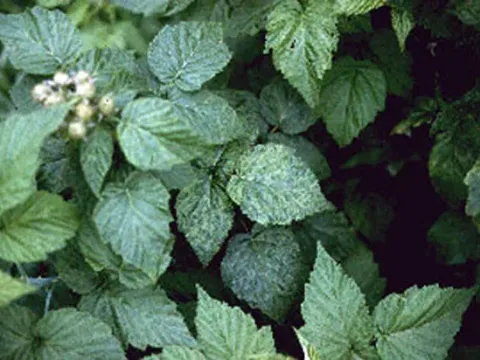
Raspberry bushy dwarf virus
Vitivirus alpharubi
The causative agent is the Raspberry bushy dwarf virus (RBDV), a member of the Alpharubivirus genus. This virus is characterized by a positive-sense single-stranded RNA genome.
What the section contains
Raspberry bushy dwarf virus
It is a highly contagious systemic pathogen that colonizes the phloem tissues, causing long-term physiological stress in the infected raspberry plants.
The virus is unique because it is pollen-borne, meaning that healthy plants can easily become infected during the flowering stage through insect pollination.
Molecular studies indicate that the virus can exist in several strains, which may exhibit varying degrees of virulence depending on the host cultivar and environmental conditions.
Once inside the plant, the virus disrupts the normal expression of genes related to vegetative growth and fruit development, leading to chronic debilitation.
The hallmark symptom is bushy dwarfism, where the canes fail to grow to their normal height and develop excessive, stunted lateral branching.
Leaves often display distinct patterns of yellow mottling, chlorotic spotting, or vein clearing, which are most visible during the early spring or late autumn.
Fruit quality is severely impacted; berries are often crumbly, undersized, and lack the flavor profile expected from a high-quality commercial cultivar.
Some cultivars show latent infection, where the plant appears healthy but serves as a reservoir, silently spreading the virus to surrounding susceptible plants.
Floral abortion and reduced pollination success are frequently observed, resulting in significantly lower fruit set and irregular ripening patterns.
The primary period of transmission occurs during the bloom phase, facilitated by honeybees and wild pollinators transferring infected pollen between flowers.
High planting density in commercial fields creates a perfect environment for the virus to spread, as branch-to-branch contact can occur quite frequently.
Transmission is also highly dependent on human activity; contaminated pruning tools serve as a major vector for spreading the virus throughout a single row.
Temperature fluctuations and stress factors may trigger the transition from a latent phase to an acute symptomatic phase, making diagnosis more difficult.
The absence of biological barriers, such as physical distance from wild berry populations, significantly increases the likelihood of an initial infection outbreak.
RBDV causes a substantial decline in annual yields, often rendering the plantation unprofitable within just a few years of the initial symptom onset.
Marketable fruit yield is lost due to the dramatic reduction in berry size and the characteristic crumbly fruit appearance which is rejected by fresh market buyers.
The vigor of the entire plantation is diminished, leading to poor winter hardiness and increased susceptibility to secondary root rot pathogens and pests.
Economic losses are compounded by the need for costly field eradication, site cleaning, and the purchase of new, clean planting material for replanting.
Long-term harm includes the loss of genetic diversity in local germplasm collections, as the virus can permanently damage the physiological baseline of the cultivar.
The foundation of effective management is the exclusive use of certified virus-free nursery stock produced through meristem culture and rigorous testing.
Implement a strict roguing program where any plant showing suspicious growth patterns is immediately removed and disposed of outside the orchard boundary.
Sanitation of equipment is critical; sterilize all pruning shears and harvesting tools using appropriate chemical disinfectants between every plant or row.
Maintain spatial isolation by keeping new plantations at least 200 meters away from older, potentially infected raspberry or blackberry fields.
Regularly monitor for potential vectors and consider management strategies to limit the overlap of pollinators if a high-risk scenario is identified.