
Plum pox virus
Trichovirus armeniacae
Plum pox virus (PPV), commonly known as sharka, is a devastating viral disease affecting stone fruit trees, including plum, apricot, peach, and nectarine.
What the section contains
Plum pox virus
The virus is a member of the Potyvirus genus. It infects host tissues and spreads through the phloem, causing systemic infection that affects the physiological health of the tree.
The disease is naturally transmitted by various aphid species that feed on infected trees and subsequently move to healthy ones, transferring the virus via their stylets.
Mechanical transmission is another significant pathway, occurring during pruning, grafting, or nursery operations if contaminated tools are used without disinfection.
The virus is persistent in the environment and remains active within the infected perennial tissues of the tree throughout its lifespan.
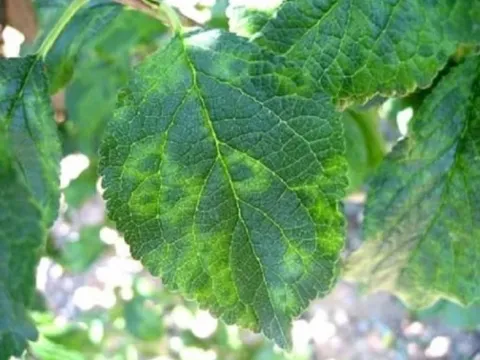
The most visible symptoms appear in the spring on leaves, manifesting as chlorotic rings, light-colored spots, or marble-like patterns known as mottling.
Fruits exhibit characteristic depressions, rings, and irregular bumps on the skin, which significantly disfigure them and reduce their commercial value.
The flesh of the infected fruit often develops reddish-brown necrotic areas and can become dry, sour, and unpleasant in texture.
Premature fruit drop is a common consequence of infection, as the tree tries to shed the diseased reproductive parts, leading to severe yield losses.
A diagnostic feature often observed on the pits (stones) of infected plums or apricots is the presence of ring-shaped or line patterns on the surface.
The spread of the virus is highly dependent on the population dynamics of aphids; high populations correlate with an increased risk of local outbreaks.
Favorable conditions include temperate climates where aphid life cycles overlap with the active growth period of the fruit trees, facilitating rapid transmission.
The movement of infected nursery stock across borders is the primary mechanism for long-distance dissemination of the virus to new territories.
Orchards located near dense populations of wild Prunus species are at higher risk, as these wild trees can act as silent reservoirs for the virus.
Lack of monitoring and early intervention allows the virus to establish a foothold, making it significantly harder to control as the years progress.
Plum pox virus is considered incurable. Once a tree is infected, it remains a permanent source of inoculum for the rest of the orchard.
The economic impact is profound, as the fruit produced by infected trees is often unmarketable due to both visual damage and degraded nutritional quality.
Severe infections lead to the decline of the orchard, requiring the systematic removal and destruction of large numbers of productive trees.
In highly susceptible cultivars, the disease can cause total crop failure, threatening the economic viability of the entire stone fruit industry in affected regions.
Stringent quarantine regulations are often imposed, preventing growers from selling their fruit or propagation material outside the infected zones.
The cornerstone of control is the use of virus-free, certified nursery stock for planting new orchards to prevent the introduction of the pathogen.
Strict orchard surveillance and testing programs are essential to identify infected trees early and remove them before they can spread the disease further.
Integrated Pest Management (IPM) practices, specifically targeting aphid populations, help reduce the frequency of natural transmission within the orchard.
Implementing rigorous sanitary protocols, such as disinfecting all pruning tools and grafting equipment, is mandatory to prevent mechanical virus transmission.
In regions where the disease is endemic, breeding and planting resistant or tolerant cultivars are the only long-term sustainable strategies for fruit production.