
Plum marafivirus
Marafivirus pruni
Plum marafivirus, scientifically known as Marafivirus pruni, is a serious plant pathogen belonging to the Betaflexiviridae family. It primarily targets stone fruit species, acting as a systemic virus that infiltrates the vascular tissues of the tree.
What the section contains
Plum marafivirus
The virus utilizes the plant's metabolic pathways to replicate its single-stranded RNA genome. Once inside, the viral particles move through the phloem to various parts of the tree, causing systemic infection that affects the overall physiological health of the plant.
The primary hosts for this pathogen include various plum cultivars and related species within the Prunus genus. These hosts may carry the virus for long periods without showing obvious outward signs, functioning as hidden reservoirs for future outbreaks.
Transmission occurs predominantly through the use of infected grafting material. Since many stone fruits are propagated via budding or grafting, using wood from a diseased tree ensures that the virus spreads rapidly to new plantings and across different regions.
Insect vectors also play a critical role in the transmission of Marafivirus pruni within an orchard. Sucking insects, such as aphids, can pick up the virus while feeding on infected sap and transmit it to healthy trees during their feeding cycles.
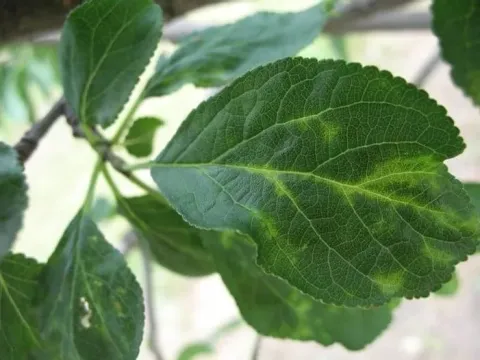
Symptoms of Plum marafivirus often manifest on the foliage, with the most characteristic sign being the development of chlorotic spots. These spots may eventually form distinctive rings, arcs, or mosaic patterns that interrupt the natural green color of the leaves.
Deformation of the leaves is another common indicator of infection. Infected trees often exhibit wrinkled or curled foliage, accompanied by a noticeable reduction in leaf size, which indicates that the plant's development processes have been severely compromised.
The virus has a significant impact on fruit development. Affected plums often appear misshapen, display irregular coloration, or develop sunken, necrotic patches on the skin. In many cases, premature fruit drop occurs, leading to substantial yield losses.
The presence of this virus can be latent, meaning the tree shows no visible symptoms for extended periods. However, environmental stressors such as drought or extreme heat can trigger the virus, leading to sudden symptom expression and further health decline.
- Chlorotic rings or mosaic patterns on leaves.
- Leaf distortion and stunted leaf growth.
- Shortening of internodes and reduced shoot elongation.
- Irregular fruit shape and skin blemishes.
- Premature fruit drop and reduced crop quality.
The development of the virus is closely tied to the tree's growth cycles. Spring, which coincides with active sap flow, is a critical period for viral replication and the manifestation of symptoms in new growth.
The density of insect vector populations determines the speed of spread throughout an orchard. In areas with high aphid activity, the virus can move between trees in a matter of weeks, transforming isolated cases into a major epidemic.
Poor sanitation practices during orchard management significantly facilitate the spread of the virus. Using contaminated pruning equipment without proper sterilization between trees is a common, yet often overlooked, cause of mechanical transmission.
Climatic stress significantly influences the severity of the disease. Trees already weakened by drought, nutrient deficiencies, or soil-related issues are much more susceptible to the virus, showing more intense symptoms compared to healthier counterparts.
Proximity to neglected orchards or wild Prunus species creates a constant infection risk. These wild areas act as natural reservoirs, allowing vectors to continuously transport the virus into managed orchard environments.
The primary harm caused by Marafivirus pruni is the chronic suppression of the tree's productivity. By disrupting photosynthesis and nutrient transport, the virus depletes the energy reserves of the tree, leading to stunted growth and reduced yields over time.
Economic damage is twofold: reduced quantity and diminished quality. Fruit from infected trees is rarely suitable for the fresh market due to its unappealing appearance and poor flavor, leading to significant financial losses for the grower.
The virus acts as a gateway for secondary infections. An infected tree, struggling with viral damage, has a weakened immune system, making it much more vulnerable to opportunistic fungal pathogens such as Monilinia or shot-hole disease.
In nursery settings, the presence of Plum marafivirus is catastrophic. Selling infected nursery stock spreads the pathogen to new plantations, severely damaging the nursery's reputation and causing long-term agricultural and economic instability.
Over the long term, the presence of this virus reduces the lifespan of the orchard. Infected trees that are no longer productive must be removed, requiring expensive replanting efforts and causing years of lost income for the orchardist.
The most important control measure is the use of virus-free, certified planting material. Starting an orchard with healthy, tested saplings is the only effective way to prevent the introduction of Plum marafivirus.
Rigorous sanitation of all pruning and grafting tools is mandatory. Disinfecting blades with alcohol or other appropriate agents between trees helps prevent the mechanical transmission of viral particles through fresh wounds.
Managing insect vector populations through regular monitoring and targeted insecticide applications is essential. By keeping populations of aphids and other sucking insects under control, growers can significantly lower the risk of viral spread.
Regular orchard inspections are necessary to identify potential infection sources. Once identified, diseased trees should be removed and destroyed, including the root system, to ensure that no viral reservoir remains in the soil or root remnants.
Maintaining strong tree vigor through balanced fertilization and adequate irrigation is crucial. While it does not cure the virus, a healthy, well-nourished tree can better withstand viral pressure and maintain productivity for a longer period.