
Plum mosaic virus
Cheravirus pruni
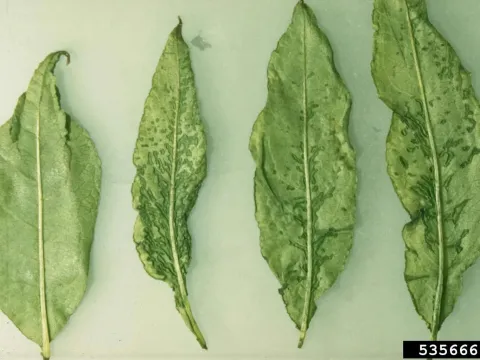
The primary symptom of plum mosaic is the appearance of light green or yellow patterns on the leaves, which can manifest as spots, bands, or intricate mosaic-like networks. In some cases, leaves may appear mottled or chlorotic.
What the section contains
Plum mosaic virus
Leaf deformation is a common secondary symptom. Affected leaves may be wrinkled, curled, or smaller than normal, indicating significant physiological stress caused by the viral infection within the plant tissues.
Fruit quality is severely impacted; fruits on infected trees are often stunted, misshapen, and may display discoloration or rings on their skin. Their flavor is typically inferior, making them unsuitable for commercial sale.
Reduced vegetative growth is frequently observed. Over time, the tree canopy becomes thin, and annual twig growth becomes stunted, giving the tree a sparse and sickly appearance.
Many infections remain latent for several seasons, meaning the tree shows no outward signs of distress while still harboring and potentially spreading the virus to nearby specimens.
The causative agent is the Cheravirus pruni, an obligate parasite that colonizes the vascular system of stone fruits. It is highly efficient at replicating within the host's cells.
The virus is systemic, meaning it travels through the phloem and xylem, eventually affecting all parts of the tree, including the roots, branches, and fruits.
Transmission occurs primarily through infected propagating material, such as buds, scions, and rootstocks. Using materials from an infected source will lead to a rapid establishment of the disease in a new orchard.
Mechanical transmission is also a major risk factor. Pruning tools contaminated with the sap of an infected tree can easily introduce the virus into healthy trees if not properly sanitized between cuts.
Some soil-borne nematodes act as biological vectors, carrying the virus from the roots of an infected tree to those of a neighboring healthy one.
The disease spreads most rapidly in high-density orchards where root contact between trees is common. This proximity facilitates the transmission of the virus through soil-borne vectors.
Environmental conditions do not play a significant role in stopping the virus, as it is adapted to survive in various climates where plums are traditionally cultivated.
Poor orchard sanitation and the presence of weeds that might harbor vectors can significantly increase the pressure of infection within the plantation.
Stress factors such as drought or nutritional deficiencies often aggravate the symptoms, causing infected trees to decline much faster than they would under optimal care.
The absence of regular inspection and testing for viral pathogens at the nursery level remains the leading condition for the initial introduction of Cheravirus pruni into new areas.
Plum mosaic virus is economically devastating to stone fruit production. It causes a progressive decline in yield, eventually rendering the orchard commercially non-viable.
The marketability of the fruit is ruined due to deformation and poor quality, resulting in severe financial losses for growers who depend on fresh fruit sales.
Infected trees exhibit reduced winter hardiness, leading to increased susceptibility to frost damage and premature tree death during harsh winters.
The virus shortens the productive lifespan of the orchard, requiring early removal and replanting, which involves substantial costs and loss of productive years.
Furthermore, an infected tree serves as a permanent reservoir of inoculum, threatening the health of all surrounding stone fruit trees in the area.
The only effective strategy is the use of certified virus-free planting material. Establishing an orchard with healthy stock is the most critical step in prevention.
Strict hygiene protocols must be followed. All pruning equipment must be disinfected with appropriate agents or heat-treated after working on each tree to prevent cross-contamination.
Once a tree is identified as infected, it should be promptly removed, including its root system, and destroyed to eliminate the source of the pathogen.
Controlling soil-borne vectors like nematodes through proper crop management and soil treatment can help reduce the secondary spread of the disease.
- Regular visual inspection of the orchard.
- Sourcing trees only from reputable, certified nurseries.
- Implementing integrated pest management for soil vectors.