
Tobacco mosaic virus
Tobamovirus tabaci
The Tobacco mosaic virus (TMV) is a highly contagious pathogen belonging to the Tobamovirus genus. It is one of the most stable viruses in nature, capable of remaining infectious in soil, crop residues, and seeds for many years.
What the section contains
Tobacco mosaic virus
The virus consists of a rod-shaped particle containing a single-stranded RNA. It lacks a lipid envelope, which makes it exceptionally resistant to heat, alcohols, and various conventional chemical disinfectants, significantly complicating control efforts.
The pathogen affects a wide range of hosts, encompassing over 350 plant species. The most economically important crops affected are members of the Solanaceae family, including tomatoes, peppers, eggplants, and tobacco.
It also parasitizes various ornamental plants, such as petunias and phlox. Transmission is extremely rapid and occurs through any physical contact between healthy and infected tissues, often facilitated by agricultural practices.
Mechanical transmission is the primary pathway: the virus spreads through plant sap during pruning or trellising, via contaminated tools, worker clothing, and even through contact with tobacco products used by smokers.
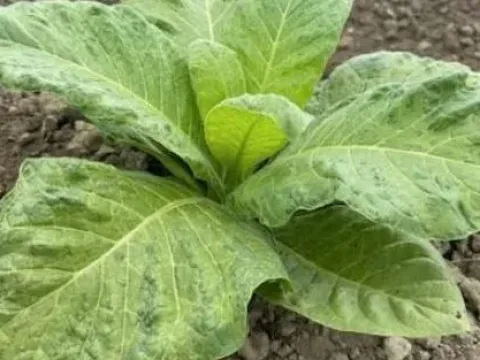
The primary symptom is a characteristic mosaic pattern on leaves, manifesting as an alternation of light-green and dark-green tissue patches. Leaves often become distorted, crinkled, and may develop a stunted, thread-like appearance.
As the disease progresses, systemic growth inhibition occurs, characterized by shortened internodes and a stunted plant habit. In some cases, necrotic spots or bumps appear on the surface of the fruit, rendering them visually unappealing.
Young shoots may exhibit chlorosis, where veins remain green while the leaf blade turns yellow. Leaf curling and twisting, particularly in the apical portions of the plant, are common indicators of a systemic infection.
Severe infection in tomatoes leads to uneven ripening and internal necrosis of the fruit, making the entire harvest unfit for commercial distribution. The physiological disruption limits the plant's ability to develop marketable produce.
- Mottled green and yellow leaf pattern.
- Leaf distortion, curling, and stunting.
- Necrotic lesions on stems and fruit.
- Reduced fruit size and poor development.
The development of TMV is favored by high air temperatures, typically ranging between 25 and 30 degrees Celsius, and high light intensity. These conditions are ideal for viral replication during the peak vegetative stage of crops.
In greenhouse settings, high planting density facilitates rapid spread. Routine operations like pruning, de-suckering, and staking create numerous opportunities for the virus to enter via wounds, spreading from plant to plant.
Weeds from the Solanaceae family serve as vital reservoirs for the virus between growing seasons. These weeds may remain asymptomatic while acting as a persistent source of infection for newly planted crops.
Lack of tool sterilization is a major factor in outbreaks. The virus persists on blades and equipment, meaning that a single infected plant can quickly contaminate an entire section of a greenhouse if tools are not disinfected.
The virus remains viable in dry plant debris, ensuring survival over the winter. This resilience necessitates thorough cleanup and sanitation of the greenhouse environment before starting a new cultivation cycle.
The primary damage caused by TMV is a drastic reduction in crop quality and total yield loss. Plants infected early in their development cycle rarely produce any marketable produce, as the virus severely limits plant vigor.
The virus disrupts essential physiological processes such as photosynthesis and metabolism. This depletion of resources makes plants more susceptible to secondary infections, including opportunistic fungi and bacteria that thrive on weakened tissues.
In tomatoes, yield losses during severe outbreaks can reach 50 to 80 percent due to blossom drop and poor fruit set. The resulting fruit is often small, woody, and lacking in flavor, making it commercially worthless.
Because the infection is systemic, there is no curative treatment for infected plants. Once a plant is colonized by the virus, it remains a permanent source of inoculum that threatens the entire crop population.
Economic losses are compounded by the costs of emergency control measures, including the destruction of entire crop stands, intensive greenhouse sanitation, and the potential for long-term production downtime.
The most effective strategy for managing TMV is strict phytosanitary compliance. All suspicious or symptomatic plants must be immediately rogued and destroyed by burning to prevent further spread within the field or greenhouse.
Using only healthy, certified seeds is critical. Seeds sourced from potentially infected crops should undergo rigorous thermal treatment or chemical disinfection protocols to eliminate any viral contamination on the seed coat.
All agricultural tools must be regularly disinfected using appropriate solutions like bleach, peroxide, or specialized antiviral cleaners. Workers should maintain hygiene, including hand-washing, before and after handling plants.
Controlling weeds within and around production areas is essential to eliminate reservoirs. Maintaining clean surroundings significantly lowers the probability of initial viral entry into the crop.
Choosing resistant or tolerant hybrids is a key preventive measure. Incorporating genetic resistance, combined with good agronomic practices and balanced nutrition, helps plants withstand the impact of viral infections.