
Tobamoviruses
Tobamovirus
Tobamoviruses are a genus of rod-shaped, positive-sense single-stranded RNA viruses that cause significant agricultural disease. The most prominent member is the Tobacco Mosaic Virus (TMV).
What the section contains
Tobamoviruses
These viruses are incredibly resilient and can survive for years in plant debris, soil, and on contaminated tools, making them persistent threats in both greenhouse and field environments.
Unlike many other plant viruses, Tobamoviruses do not rely on insect vectors. Instead, they are primarily transmitted through mechanical contact, such as handling plants during pruning or harvest.
The virus enters the plant host through microscopic wounds, rapidly replicating within the cells and spreading through the vascular system to affect the entire plant’s physiology.
Their stability outside the host allows them to remain infectious even after prolonged periods of dormancy, leading to persistent outbreaks in environments where sanitation is neglected.
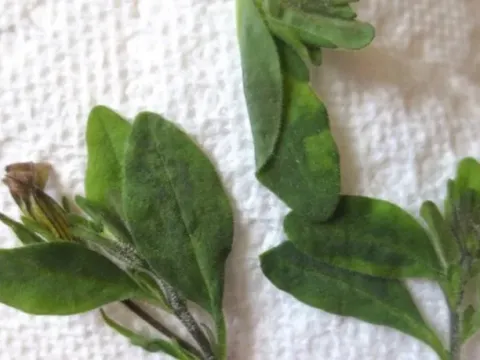
The classic symptom of a Tobamovirus infection is a mosaic pattern on the leaves, characterized by mottled patches of light and dark green, signaling disrupted photosynthesis.
Leaf deformation is common, often resulting in curled, stunted, or narrow "fern-like" leaf structures that inhibit the plant’s ability to generate energy.
Fruit symptoms include necrotic spots, sunken lesions, and internal browning, which render the harvest unmarketable and significantly reduce overall yield quality.
Infected plants typically exhibit stunted growth, shortened internodes, and a reduction in flower set, which directly impacts the plant's productive potential.
As the infection progresses, necrosis of stems and leaves can occur, leading to the eventual collapse of the plant during periods of high environmental stress.
Tobamoviruses thrive in warm greenhouse conditions where high plant density facilitates easy mechanical transfer through physical contact between leaves or staff handling.
Human activity is the primary driver of transmission. Contaminated clothing, tools, and hands act as vehicles for the virus, moving it quickly from an infected source to healthy plants.
Soil and growing media are dangerous reservoirs for these viruses, especially if previous infected root systems were not fully removed from the production site.
Seeds can harbor the virus on their surface, especially if extracted from infected fruits, potentially leading to widespread contamination if not properly disinfected.
Lack of rigorous crop rotation and failure to sanitize tools between rows or greenhouses significantly increases the likelihood of a total crop outbreak.
The economic impact of Tobamoviruses is severe, primarily due to the loss of marketable yield and the potential for total crop failure in highly susceptible greenhouse varieties.
Because there are no curative chemical treatments for viral diseases, infected plants serve as permanent reservoirs, forcing growers to discard entire batches of crops.
The physiological stress caused by the virus weakens the plant’s natural defenses, making it more susceptible to opportunistic fungal and bacterial pathogens.
Management costs are inflated by the need for intensive sanitation protocols, frequent tool sterilization, and the required disposal of contaminated materials.
Global trade is also affected, as Tobamoviruses are considered major quarantine pathogens that can lead to restrictions on the export of seeds and plant materials.
- Prioritize the use of resistant or tolerant cultivars as the first line of defense.
- Implement strict sanitation measures, including the regular disinfection of all pruning tools with a 10% bleach solution or professional disinfectants.
- Enforce a strict hygiene policy for staff, requiring the use of disposable gloves and clean, designated workwear.
- Promptly rogue and destroy any plants showing signs of mosaic or necrosis, ensuring the surrounding soil is treated.
- Carry out thorough end-of-season deep cleaning and disinfection of greenhouse structures, benches, and irrigation systems to eliminate reservoirs.