
Soybean mosaic virus
Soymovirus maculaglycinis
The causative agent of the disease is the Soybean mosaic virus (SMV), which belongs to the Potyvirus genus. It is a single-stranded RNA virus that specifically infects legume species.
What the section contains
Soybean mosaic virus
The virus is primarily transmitted through infected seeds, which serves as the main source of primary inoculum when farmers plant their fields in the spring.
Secondary transmission is driven by insect vectors, primarily aphids. Various aphid species transmit the virus in a non-persistent manner during short feeding probes.
The pathogen can persist in crop residues or alternative weed hosts, although seed transmission remains the most critical factor for widespread outbreaks.
It infects cultivated soybean and several other leguminous plants, which can act as a bridge for the virus during the off-season period.
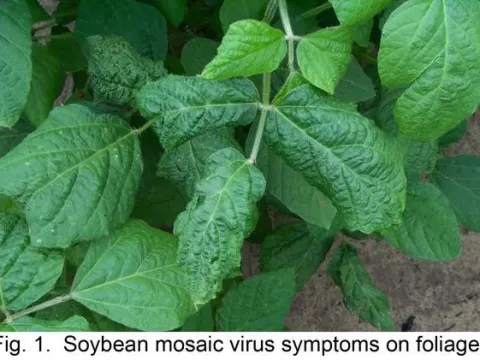
The most characteristic symptom is a mosaic pattern on leaves, appearing as irregular patches of light and dark green coloration on the leaf blades.
Infected plants often exhibit significant leaf distortion, including curling, crinkling, and a notable reduction in overall leaf size compared to healthy foliage.
Depending on the viral strain and the host's genetic resistance, plants may show symptoms ranging from mild chlorosis to severe systemic necrosis and stunted development.
Seed mottling is a hallmark of this virus; it causes pigmentation of the seed coat, often radiating from the hilum, which drastically reduces the market value of the crop.
- Leaf wrinkling
- Mosaic patterns
- Stunted plant growth
- Seed coat discoloration
- Reduced pod formation
Warm weather conditions promote rapid population growth and migration of aphid species, which are the primary vehicles for spreading the virus across a field.
The optimal temperature for virus replication within plant tissues is approximately 20 to 25 degrees Celsius, aligning with the peak growing season for soybeans.
Proximity to alternative weed hosts that carry the virus significantly increases the probability of field infection throughout the growing season.
High plant density and lush vegetative growth create a favorable microclimate for insect vectors, facilitating the movement of aphids between neighboring plants.
Field margins are typically the first to show infection, as insect vectors arrive from nearby areas and establish the initial viral foci.
Soybean mosaic virus can lead to substantial yield reductions, with losses ranging from 10% to 50% depending on the infection timing and cultivar susceptibility.
The disease significantly lowers grain quality, rendering the seeds unsuitable for commercial use or replanting due to coat discoloration and lower vigor.
Infections often trigger premature flower and pod abscission, which directly decreases the number of harvestable pods and overall seed weight per plant.
Virus-infected soybeans exhibit weakened immune responses, making them more susceptible to secondary fungal infections and abiotic stress factors like drought.
Economic damage is twofold: a reduction in total quantity harvested and a loss of premiums due to poor seed quality and color traits.
The most effective strategy for managing the virus is the exclusive use of high-quality, certified seeds that have been tested and verified as virus-free.
Maintaining proper spatial isolation from fields containing perennial legumes helps prevent the influx of viral pathogens and their insect vectors.
Rigorous weed management in and around the fields is essential to eliminate the alternative hosts that maintain the viral pool throughout the year.
Insecticide applications can be used to control aphid populations, but this is only effective in the early stages to prevent initial, large-scale viral transmission.
The adoption of resistant soybean cultivars remains the most sustainable and efficient approach to mitigate the risks associated with this viral disease.