
Soybean scleroulivirus
Soybean scleroulivirus
Soybean scleroulivirus (SSV) is a plant virus classified within the genus Scleroulivirus. It is a highly specialized pathogen known to infect soybean crops and other legume species.
What the section contains
Soybean scleroulivirus
The virus possesses a single-stranded RNA genome and is known for its soil-borne transmission route. It systematically colonizes the vascular tissues of the host plant shortly after infection.
Unlike airborne viruses, this pathogen relies heavily on soil moisture and contact with root systems. Its persistence in the soil allows it to survive for extended periods between cropping seasons.
Research into the biological properties of this virus suggests that it interacts with soil microflora, which may facilitate its spread within the rhizosphere of healthy crops.
The systemic nature of the viral infection makes it challenging to manage once established in a field. It impacts the plant's metabolic functions, leading to stunted growth and reduced vigor.
Visible signs of soybean scleroulivirus infection include systemic chlorosis, where leaves turn yellow, often manifesting as a mosaic pattern. Plant height is typically significantly reduced due to shortened internodes.
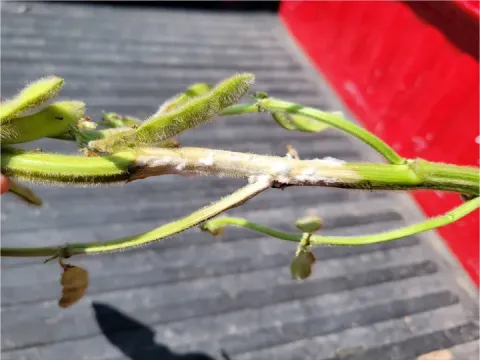
Infected soybeans may show signs of deformation and premature shedding of flowers or developing pods. This disruption of the reproductive cycle leads to substantial yield losses.
Root system analysis of infected plants often reveals stunted growth and signs of necrotic lesions. Plants may appear wilted even when soil moisture levels are adequate, indicating compromised water uptake.
Symptoms can vary depending on the soybean cultivar and the stage of development at which the infection occurs. Growers often notice patches of stunted plants scattered across the field.
As the disease progresses, the density of the canopy decreases. This lack of foliage exposes the soil, which may further lead to secondary issues such as increased weed pressure in the patches.
High soil moisture is the primary condition promoting the spread of soybean scleroulivirus. Wet soil facilitates the movement of the virus towards the root hairs of susceptible soybean plants.
Intensive tillage practices, particularly when the soil is damp, can inadvertently spread the virus throughout the field by moving contaminated soil particles on machinery.
Short-term crop rotation or monocropping creates a favorable environment for the virus to build up in the soil profile. The presence of infected plant debris acts as a key reservoir.
Temperature fluctuations in the soil affect the rate of viral activity. Early-season infection during cooler, wet spring conditions often leads to the most severe stunting effects.
Poor field hygiene, including the failure to clean equipment between fields, significantly increases the risk of spreading the pathogen to healthy, previously uninfected areas.
The economic impact of soybean scleroulivirus is significant due to decreased seed yields. Fewer pods and smaller seeds directly reduce the total marketable output per hectare.
Seed quality is also compromised, with harvested grain often showing poor germination rates and reduced vigor, making it unsuitable for use as future planting material.
Plants weakened by the viral infection are significantly more susceptible to opportunistic pathogens, including various species of root-rot fungi and soil-borne bacteria.
The cumulative damage results in reduced profitability for farmers, who face both the loss of yield and the increased cost of managing the disease over subsequent seasons.
In fields with high disease pressure, the uniformity of the crop is severely affected. This inconsistency complicates harvesting and reduces the overall competitive efficiency of the soybean stand.
The most robust defense against soybean scleroulivirus is the implementation of a diverse crop rotation plan. Avoiding soybean planting in the same field for at least 3-4 years is essential.
Selecting tolerant or resistant soybean varieties is a primary preventive measure. Breeding programs continue to focus on improving the resilience of soybean cultivars to soil-borne viruses.
Strict machinery sanitation protocols are necessary to prevent the mechanical transfer of contaminated soil. Pressure washing equipment before moving between fields is highly recommended.
Maintaining optimal soil fertility and managing soil-borne pests helps the crop withstand initial stress. A healthy, well-nourished plant is better positioned to tolerate viral infections.
- Practice 3-4 year crop rotations.
- Use resistant and certified soybean varieties.
- Sanitize farm equipment after working in infected fields.
- Control weeds that might act as alternative viral hosts.
- Monitor fields for early signs of patchy chlorosis.