
Soymovirus
Soymovirus
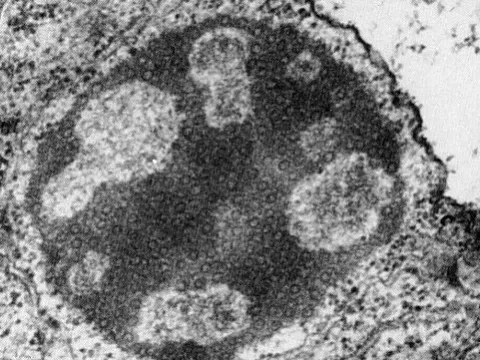
Soymovirus is a genus of plant viruses within the Caulimoviridae family, characterized by a double-stranded DNA genome. The type species of this genus is the Soybean chlorotic mottle virus (SoCMV).
What the section contains
Soymovirus
This pathogen acts as a systemic virus that travels through the host plant's vascular tissues, disrupting normal metabolic pathways and protein synthesis. The virus particles are spherical, featuring a capsid structure typical of the caulimoviruses.
Transmission in the field primarily occurs through mechanical contact or via insect vectors, although the specific range of vectors may vary depending on the viral strain.
The biology of Soymovirus is closely linked to the physiological development of soybeans, as the pathogen requires living host cells for the replication of its DNA genome. Infection occurs through micro-injuries in plant tissue, making the virus's spread highly dependent on field activities and insect population dynamics.
The genetic stability of soymoviruses allows them to persist in crop residues and wild host plants, maintaining a constant source of infection in agricultural ecosystems.
The primary symptom of Soymovirus infection is chlorotic mottling, which gradually progresses across the entire leaf surface. The leaves develop a characteristic mottled appearance, significantly reducing the effective photosynthetic surface area.
During the early stages of the disease, one may observe stunted plant growth and shortened internodes. Infected plants appear less vigorous and exhibit lower biomass compared to healthy specimens in the field.
In cases of severe infection, deformation of young leaves occurs, often resulting in curling or a crinkled leaf structure. This process is frequently accompanied by generalized chlorosis (yellowing) of the upper canopy.
Generative organs are also affected, showing signs of stunted pods, pod deformation, or premature shedding. The number of seeds per pod is significantly reduced, and the overall seed quality is often compromised.
In field conditions, symptoms often appear in localized patches, which correlates with initial infection points or the distribution patterns of insect vectors within specific zones.
The development of Soymovirus infections is directly influenced by weather conditions, particularly those favoring the population growth of insect vectors. Warm and humid weather typically accelerates the spread of the virus.
The presence of infection reservoirs is critical, with perennial legume weeds serving as primary overwintering sites for the virus at the edges of fields or in poorly managed crop rotations.
Environmental stress factors, such as drought or significant temperature fluctuations, weaken the soybean plant's immune system, making it more susceptible to viral invasion.
Agronomic practices, including high-density planting, facilitate the rapid spread of the virus through physical contact between the leaves of neighboring plants.
Human activity also plays a significant role: the use of infected planting material and the transmission of the virus via contaminated agricultural machinery during field operations significantly impact the infection dynamics.
The damage caused by Soymovirus results in significant yield losses, which can reach 20-40% in severely affected areas. Plants fail to reach their full biological potential due to metabolic disturbances.
There is a notable reduction in the weight of 1000 seeds, as well as a decrease in their biological value, rendering them unsuitable for use as seeds due to the risk of vertical transmission.
The quality of protein and oil content accumulated in the soybean seeds is degraded, negatively impacting the market value of the final produce.
Infected crops become increasingly susceptible to secondary infections, including fungal and bacterial diseases, which colonize weakened plants more aggressively.
Economic losses include not only direct yield deficits but also increased expenditures on field monitoring and pest management strategies to mitigate further spread.
The main strategy for control involves using high-quality, certified planting material that has undergone strict phytosanitary inspection. Selecting tolerant or resistant soybean varieties is a critical first step.
Strict management of insect vector populations (such as aphids or leafhoppers) using targeted insecticides during critical stages of soybean development is essential to minimize viral transmission.
Adherence to crop rotation principles disrupts the virus cycle by avoiding the planting of soybeans in the same field more frequently than every 3-4 years. Maintaining buffer zones from older legume crops further lowers the risk of initial infection.
Mechanical removal of legume-family weeds from field borders is mandatory, as these plants often serve as seasonal reservoirs for the virus.
- Regular disinfection of agricultural machinery and tools after working in infested areas.
- Early diagnosis and roguing (removal) of symptomatic plants to prevent localized outbreaks.
- Optimizing nutrient application to enhance the plant's overall resilience to environmental stressors.