
Iris yellow mosaic virus
Sobemovirus iymv
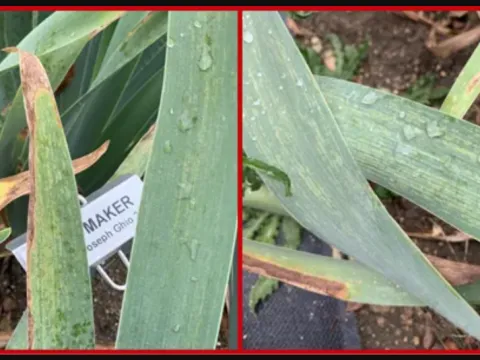
The primary symptom of the Iris yellow mosaic virus is the appearance of a distinct mosaic pattern on the leaves. These patterns manifest as light green or yellowish patches intermingled with normal green tissue.
What the section contains
Iris yellow mosaic virus
At the onset, the symptoms often look like faint streaks or specks. As the disease progresses, these markings become more pronounced, often forming elongated stripes or blotches along the veins of the leaves.
Affected leaves frequently show signs of deformation. They may become stunted, twisted, or exhibit an irregular wavy margin, which significantly reduces the aesthetic quality of the plant.
Flowering is adversely affected in infected specimens. Flower stalks may be shorter than normal, and the buds may fail to open fully or display misshapen forms.
A specific phenomenon known as color-breaking occurs on the petals, where irregular stripes or blotches of a different color appear. This disfigurement is a hallmark of viral interference with petal pigmentation.
The causal agent is the Iris yellow mosaic virus (IYMV), which belongs to the genus Sobemovirus. This RNA virus is highly specialized and targets members of the Iridaceae family.
The virus acts as an obligate parasite, requiring a living plant host to replicate its genetic material. It survives primarily in the rhizomes and bulbs of infected perennial irises throughout the dormant season.
Aphids serve as the primary biological vectors for the virus in nature. By feeding on the sap of an infected plant, the aphid picks up the viral particles and transmits them to healthy plants during subsequent feedings.
Mechanical transmission is a critical pathway for the spread of the disease in gardens. The virus is easily spread via contaminated gardening tools, such as knives or shears, used during propagation or flower harvesting.
The virus is systemic, meaning it colonizes the entire vascular system of the iris. Once established, it spreads into the rhizome, ensuring that all subsequent divisions taken from the plant will be infected.
The spread of the disease is highly correlated with the activity of aphid populations. Warm and humid conditions favor the reproduction of these vectors, leading to increased transmission rates.
Densely planted iris beds provide an ideal environment for virus propagation. Proximity between plants allows for rapid movement of insects, facilitating the transfer of the virus across the entire planting area.
Poor garden sanitation contributes to the persistence of the virus. Weeds growing among the irises can act as reservoirs for the virus or as breeding grounds for the aphids that transmit it.
Improper hygiene during the division of rhizomes is a major factor in the rapid spread of the disease. Failure to sanitize tools between individual plants creates a direct pathway for viral introduction.
Environmental stress, such as poor drainage or nutrient deficiency, weakens the host plant's resistance, making it more susceptible to successful viral infection and symptom development.
The virus causes significant harm by destroying the ornamental value of irises. This makes the affected plants unsuitable for commercial use, landscaping, or entry in flower exhibitions.
Long-term infection leads to the gradual decline of the plant. The rhizomes become weak and smaller, resulting in less vigorous growth and a reduced ability to produce healthy flower stalks year after year.
Infected irises are more prone to secondary infections. The weakened state of the plant makes it significantly more vulnerable to soil-borne pathogens, such as bacterial soft rot.
The virus can lead to the permanent loss of specific cultivars. Because the virus is inherited through vegetative propagation, an entire stock of a prized variety can be lost once it becomes infected.
Management of the disease is difficult and often costly because there is no known cure for the virus. Affected plants must be removed and destroyed, which can be devastating for specialized iris collections.
The most important control measure is the use of virus-free planting material. Always inspect new rhizomes for signs of disease before introducing them into your garden.
Regular monitoring of the garden is essential for early detection. Any plants showing symptoms of mosaic or leaf distortion should be promptly removed, dug up with surrounding soil, and destroyed by burning.
Managing aphid populations is vital for preventing the spread. Applying appropriate insecticides during the active growth season helps to minimize the risk of viral introduction by insect vectors.
Strict sanitation protocols must be followed during gardening tasks. Disinfecting all cutting tools with alcohol, bleach solution, or commercial disinfectants between each plant is mandatory to prevent cross-contamination.
Maintaining high horticultural standards, including proper fertilization and weed control, strengthens the plant's overall health and helps it better tolerate and withstand environmental and biological pressures.