
Iris mild mosaic virus
Potyvirus iristenuis
Description
Symptoms
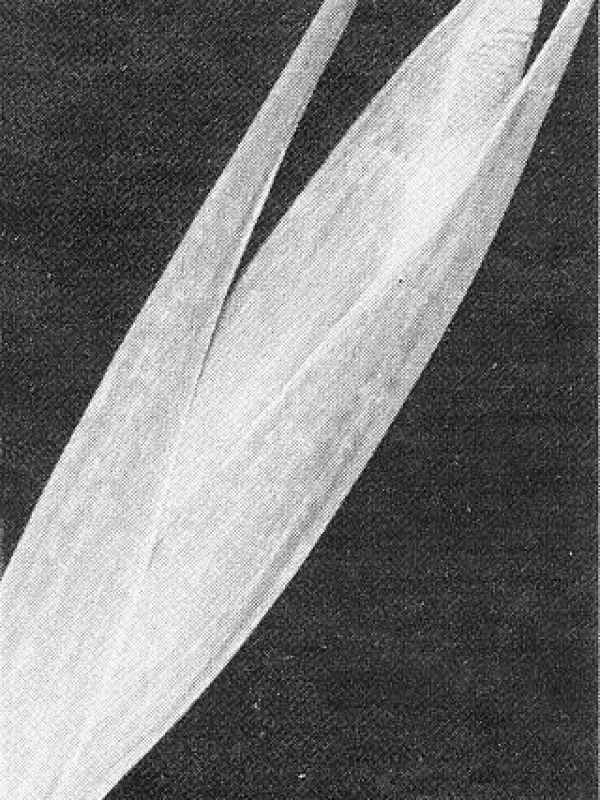
The primary external manifestation of the disease is a characteristic change in the color of iris leaves. Narrow, clearly defined light green or yellowish stripes appear on the foliage, running parallel to the leaf veins.
As the viral infection progresses, plants begin to exhibit stunted growth and reduced vigor. Leaves may become deformed, showing signs of thickening or, conversely, excessive thinning compared to healthy foliage.
When flower stalks are affected, the condition manifests as color breaking or "streaking" in the petals. The blossoms lose their uniform, typical color, with patches or stripes appearing that disrupt the aesthetic appeal of the flower.
In severely infected specimens, the root system weakens significantly, leading to progressive wilting of the clump. The overall performance of the iris as an ornamental plant declines, and it may fail to survive through the winter.
Visual symptoms often mimic other types of plant stress, therefore laboratory diagnostic tests such as ELISA are recommended to confirm the presence of the virus.
Pathogen
The causative agent of the disease is the Iris mild mosaic virus (IMMV), which is a member of the Potyvirus genus. It is an obligate parasite characterized by flexuous filamentous virions.
The virus is primarily transmitted through plant sap when tissues are wounded by insect vectors. Aphids are the most common vectors responsible for spreading the infection in natural environments.
The virus can also be transmitted mechanically during routine garden maintenance. The use of non-sterile tools for pruning or dividing rhizomes facilitates the transfer of the infection from diseased plants to healthy ones.
Inside the plant, the virus moves systemically, colonizing all tissues, including the rhizome. This systemic nature makes it impossible to cure an infected plant using fungicides.
The virus persists in the perennial rhizomes of infected plants during the dormant season, ensuring the continuation of the infection cycle in the following year.
Conditions for development
The active development and spread of the virus are directly linked to the period of high biological activity of insect vectors, particularly aphids, within the garden plot.
Optimal conditions for infection occur during warm and humid weather when the population of sap-sucking pests reaches its peak. During these periods, the risk of viral transmission between plants increases significantly.
Overcrowded plantings and poor air circulation within the clumps create a microclimate favorable for the movement of virus-carrying vectors. Higher planting density leads to a faster spread of the infection throughout the collection.
Poor agricultural practices, such as damaging iris tissues during hoeing or weeding, create entry points for viral particles to infect healthy tissues.
Neglecting weed control around the flower beds contributes to the accumulation of virus reservoirs, increasing the risk of secondary infections for ornamental iris varieties.
Why it matters
The main danger of this virus is its systemic nature, which makes infected plants a continuous source of infection for all surrounding iris specimens.
The disease causes a substantial decrease in the decorative qualities of the flowers, rendering the variety unsuitable for landscape design or further breeding programs.
Severe viral infection depletes the rhizome, which makes the irises less winter-hardy and prone to dying off during harsh winter conditions.
In nursery settings, the Iris mild mosaic virus poses a serious threat to the trade of planting material, as it is often considered a quarantine or highly regulated pathogen.
Due to the lack of effective curative treatments, the only reliable way to manage the disease is the radical removal and destruction of infected plants, including the soil mass around the roots.
Protection
The primary method of prevention is rigorous phytosanitary control of all planting material before it is introduced into the garden soil.
It is essential to maintain strict hygiene during garden work: disinfect all cutting tools after every use, preferably using alcohol-based solutions or chlorine-based disinfectants.
Controlling aphid populations and other sap-sucking pests is a vital aspect of management. Regular applications of systemic insecticides help suppress the insect vector population.
Removing and immediately burning all plants showing symptoms of mosaic or striping is a critical measure to prevent a local epidemic.
- Use only healthy, certified planting material.
- Disinfect gardening tools regularly.
- Monitor and control aphid populations.
- Rouge and destroy symptomatic plants immediately.
- Maintain adequate spatial isolation between new and existing plantings.
Discussion
No discussions yet — be the first.