
Jasmine phyllody
Jasmine phyllody
Jasmine phyllody is caused by phytoplasmas, which are specialized bacteria of the genus Candidatus Phytoplasma. These microorganisms lack a cell wall and inhabit the phloem tissue of the host plant, where they feed on nutrients and interfere with signal transduction.
What the section contains
Jasmine phyllody
These pathogens are obligate parasites and cannot survive outside of a host plant or an insect vector. They are transmitted through the plant's vascular system, making the infection systemic and difficult to eliminate once it has established itself.
Insect vectors, primarily leafhoppers (Cicadellidae), play a critical role in the transmission of the disease. When feeding on the sap of an infected jasmine bush, the insect acquires the phytoplasma, which then circulates through its body before being transmitted to healthy plants.
The phytoplasma induces profound physiological changes in the host. By manipulating the hormonal balance of the plant, it redirects development, forcing the plant to produce vegetative structures instead of reproductive ones.
Natural reservoirs of the pathogen include various perennial weeds and wild plants found in surrounding areas. These plants often show no obvious symptoms, acting as hidden sources of infection that persist throughout the year.
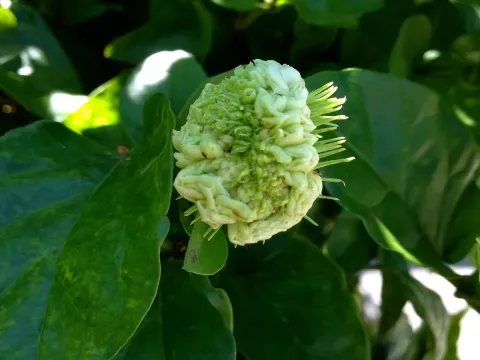
The defining symptom of this disease is phyllody, a condition where flower petals are replaced by leaf-like structures. These transformed flowers turn green and lose their original aesthetic function and color.
The plant often exhibits signs of virescence, where the reproductive organs like stamens and pistils are replaced by sepals or small leaflets. This makes the plant completely sterile, as it cannot produce flowers or seeds.
Jasmine bushes affected by the disease often show a 'witches' broom' growth pattern. This involves dense, bushy clusters of stunted branches with shortened internodes, giving the plant an unnatural and tangled appearance.
Chlorosis or yellowing of the leaves is frequently observed as the systemic infection disrupts the movement of water and nutrients. The growth of the plant slows down significantly as its metabolic processes are diverted.
Symptoms usually start on one branch or part of the plant but inevitably spread throughout the entire jasmine bush. Once the infection is widespread, the plant stops producing any normal flowers, which is the most prominent visual sign for growers.
Disease outbreaks are heavily influenced by the population density of insect vectors. Warm and dry weather cycles promote the rapid multiplication and migration of leafhoppers, which increases the likelihood of infection.
Proximity to unmanaged weed populations creates a dangerous interface where the pathogen can move from wild plants to cultivated jasmine. Maintaining a weed-free buffer zone around the plants is essential for prevention.
Overcrowded plantings and poor airflow favor the survival of vectors. When plants are grown too close together, it is much easier for insects to move from one bush to another, facilitating the rapid spread of the disease within the garden.
Mechanical injury during pruning can provide an entry point for the pathogen if the tools are contaminated. Although insect vectors are the primary route, improper hygiene can also lead to the spread of the infection through plant sap.
The use of infected cuttings for propagation is another major cause of disease spread. If a cutting is taken from an asymptomatic or latent host, the disease will inevitably develop as the plant matures.
The primary economic and aesthetic damage caused by Jasmine phyllody is the total loss of flower production. As a flowering shrub, the jasmine becomes useless for landscaping once it can no longer produce blooms.
The disease causes a gradual decline in the plant's overall health, leading to stunted growth and premature death of the shrub. The persistent metabolic stress eventually exhausts the plant's resources.
In commercial nurseries, this disease can lead to the total quarantine and destruction of entire stocks. This results in significant financial losses for growers and producers of ornamental plants.
Since there is no cure, the disease requires the complete removal of infected plants, which can be heartbreaking for gardeners and landscape designers. The persistent nature of the phytoplasma makes long-term management necessary.
The presence of phyllody reduces the overall immunity of the jasmine bush, making it more susceptible to secondary fungal or bacterial infections. This leads to a rapid degradation of the plant's health and appearance.
The most effective strategy for controlling Jasmine phyllody is the prompt removal and destruction of infected plants. Infected shrubs should be pulled out by the roots and destroyed by burning to prevent further spread.
Effective vector management is essential to minimize the risk of transmission. Regular application of systemic insecticides can keep populations of leafhoppers under control, thereby reducing the chances of new infections.
Sanitation practices should be strictly observed, including the regular removal of weeds surrounding the jasmine site. This removes potential reservoirs for the pathogen and disrupts the life cycle of the insect vectors.
Use only healthy, certified plant material when starting new plantings. Avoid taking cuttings from areas known to have a high incidence of the disease or from plants showing any suspicious growth abnormalities.
Always disinfect pruning tools between bushes using a solution of bleach or alcohol. This prevents the mechanical transmission of the pathogen, which can occur if sap containing the phytoplasma is transferred from one plant to another.