
Ippolinia mosaic virus
Potyvirus yipleionis
The causal agent of this disease is Potyvirus yipleionis, a member of the Potyviridae family, which is one of the largest groups of plant viruses with a single-stranded RNA genome.
What the section contains
Ippolinia mosaic virus
The virus particles are filamentous and are typically transmitted by insect vectors, most notably aphids, in a non-persistent manner during their feeding process.
The transmission process occurs when a vector acquires the virus from an infected plant and immediately transfers it to a healthy host upon the next feeding probe.
Mechanical transmission is also a significant factor, as the virus can be spread through contaminated tools during pruning, trimming, or other routine horticultural activities.
The pathogen is known for its ability to persist in various hosts, including wild plants, which act as reservoirs and facilitate the survival of the virus throughout the year.
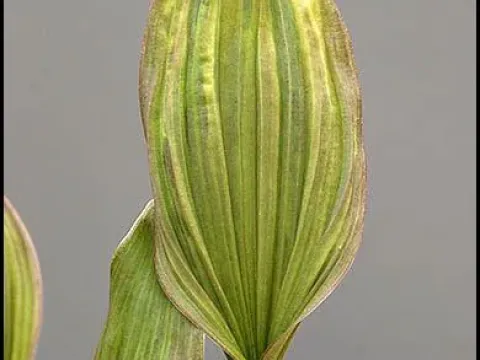
The hallmark of Ippolinia mosaic virus is the development of a mosaic pattern on the leaves, characterized by alternating patches of light green, yellow, and normal dark green tissue.
Affected plants frequently show leaf deformation, such as puckering, curling, or overall distortion, which significantly impairs the aesthetic value of ornamental species.
Stunting is a common systemic symptom, as the virus interferes with normal growth regulators, leading to shorter internodes and smaller plant stature overall.
In flowering plants, the infection can manifest as color breaking, where the petals exhibit irregular streaks, stripes, or patches that deviate from the standard coloration.
- Chlorotic mottling on new leaf growth.
- Significant curling and distortion of foliage.
- Reduced vigor and stunted plant size.
- Abnormal coloration in blooms and petals.
Disease development is highly favored by moderate weather conditions, which promote the activity and migration of aphid populations across the fields or gardens.
High plant density encourages the spread of the virus, as it allows for easier mechanical contact between healthy and infected foliage during cultivation.
Plants under environmental stress, such as drought or poor nutrient availability, tend to show more severe symptoms and become more susceptible to initial viral inoculation.
The presence of susceptible weed species in the vicinity serves as a critical reservoir, where the virus survives and is carried over to the next growing season.
Warm and humid environments indirectly assist the spread by supporting larger colonies of vectors, ensuring a continuous supply of potential carriers for the virus.
Ippolinia mosaic virus causes substantial economic losses by reducing the quality and marketability of nursery stock and floral products, which is a major concern for the industry.
Systemic viral infection suppresses photosynthetic efficiency, leading to a general decline in plant health, lower metabolic activity, and weakened immune responses.
Once infected, a plant acts as a permanent source of the virus, making it impossible to cure, which eventually necessitates the destruction of the entire specimen.
The virus significantly impacts crop uniformity, which is critical for agricultural and horticultural businesses that rely on consistent product standards.
Long-term harm includes the potential for field-wide epidemics if immediate sanitation and vector control measures are not implemented upon the first sign of the disease.
The primary control strategy is the use of disease-free, certified planting material to ensure that the virus is not introduced into the cultivation area from the start.
Strict sanitation protocols, including the immediate removal and destruction of symptomatic plants, are vital to stop the local spread of the infection.
Managing vector populations through integrated pest management (IPM) and timely application of insecticides is crucial to minimizing the rate of viral spread.
All gardening tools and equipment must be disinfected after use on potentially infected material to prevent mechanical transfer to healthy plants.
Implementing effective weed management and maintaining a clean growing environment prevents the build-up of viral reservoirs and helps break the disease cycle.