
Iris mosaic virus
Potyvirus yidiuris
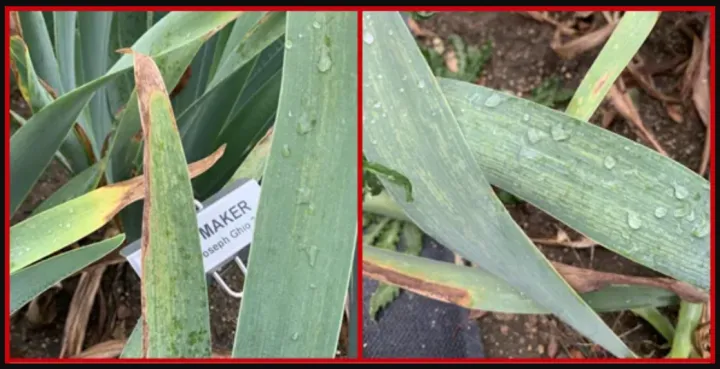
Description
Symptoms
The most characteristic symptom of the infection is the development of light green or yellow mosaics, stripes, and streaks on the leaves, which significantly disrupt the plant's natural appearance.
As the disease progresses, the mosaic patterns become more distinct and intense, often manifesting as a mottled look that reduces the overall vigor of the iris foliage.
Infected plants typically exhibit stunted growth, with shorter flower stalks and poorly developed buds that may fail to open fully or display structural deformities.
Flower quality is severely impacted by color breaking, where petals show irregular, bleached, or mottled streaks that deviate from the plant's true genetic color.
- reduced leaf size and overall plant height;
- premature chlorosis and wilting of the foliage;
- long-term decline in rhizome productivity and vigor.
Pathogen
The causative agent is the Iris mosaic virus, which belongs to the Potyvirus genus. This pathogen is a positive-sense single-stranded RNA virus that thrives in various bulbous and rhizomatous ornamental plants.
The virus is characterized by its systemic nature, meaning that once the plant is infected, the pathogen spreads throughout the entire vascular system, including the rhizomes and newly developed shoots.
The primary reservoir for the virus is infected plant material, specifically rhizomes or bulbs used for propagation, which carry the virus into the next growing season.
Transmission in the field is primarily mediated by aphids, which act as non-persistent vectors, carrying the virus from infected to healthy plants within seconds of probing the plant tissue.
Mechanical transmission also plays a significant role in the spread of the virus, particularly during routine horticultural practices such as dividing rhizomes, pruning, or weeding, if tools remain contaminated.
Conditions for development
Outbreaks of the disease are closely tied to the population dynamics of aphids, which act as the main vectors, particularly during warm spring and summer months.
Optimal conditions for disease spread include high humidity and moderate temperatures, which favor the flight and feeding activity of aphid populations in the garden.
Poor horticultural practices, such as excessive planting density, facilitate physical contact between leaves, allowing the virus to spread more easily across the garden bed.
Plant stress, often resulting from poor soil fertility or erratic watering, can exacerbate the impact of the viral infection by weakening the iris's natural defenses.
The use of infected propagation material remains the single most important factor that facilitates the widespread occurrence of Iris mosaic virus in new plantations.
Why it matters
The virus causes a significant decrease in the aesthetic value of irises, making them unsuitable for professional landscaping, exhibition, or commercial flower sales.
Chronic infection leads to the gradual degradation of iris cultivars, as the virus causes a progressive loss of plant vitality and reproductive capacity over several seasons.
Systemic viral infection makes the plants more susceptible to secondary soil-borne pathogens, including bacteria and fungi, which can lead to rapid root and rhizome rot.
Commercial nurseries face serious economic losses due to the necessity of culling infected stocks to prevent the pathogen from ruining the entire production line.
There is no known cure for the virus, meaning that affected specimens must be removed, which poses a threat to the preservation of rare or heirloom iris cultivars.
Protection
The cornerstone of management is strict sanitation, which includes the immediate identification and rogueing of any symptomatic plants to stop the virus from spreading.
Implementation of effective aphid control programs using suitable insecticides is crucial to reduce the population of vectors and limit the spread of the virus within the nursery.
Sanitizing all gardening tools with disinfectant solutions between plants is essential to prevent the mechanical transmission of the virus during pruning or dividing tasks.
Maintaining optimal spacing and providing proper growing conditions can improve plant resilience and reduce the likelihood of attracting high numbers of insect vectors.
Sourcing high-quality, virus-indexed propagation material from reputable, certified growers is the most reliable strategy to keep iris collections healthy and disease-free.
Discussion
No discussions yet — be the first.