
Ipomoea yellow
Ipomoea yellow
Ipomoea yellow is a viral disease, often linked to phytoplasmas or specialized yellow-inducing viruses, that infects the plant's vascular system. The pathogen colonizes the phloem, effectively disrupting the plant's ability to transport essential nutrients and water.
What the section contains
Ipomoea yellow
The virus acts as a systemic pathogen, moving throughout the entire plant once infection is established. This makes the disease difficult to manage once symptoms become visible in the foliage and stems.
Transmission occurs primarily through insect vectors that feed on the sap of infected plants. Common pests such as aphids, leafhoppers, and whiteflies are the primary culprits in spreading the virus across a garden.
Mechanical transmission can also occur through contaminated garden tools, such as pruners or knives, if they are not properly sanitized after coming into contact with an infected plant.
Wild species within the Convolvulaceae family often serve as reservoirs for the virus, harboring the pathogen during the winter and facilitating its spread to cultivated morning glories the following season.
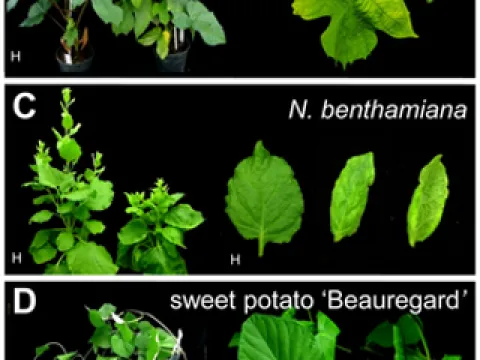
The primary symptom is intense yellowing (chlorosis) of the leaves, typically starting between the veins. As the disease progresses, the entire leaf may lose its green color and turn pale or bright yellow.
Infected plants exhibit severe stunted growth. The internodes become shortened, and the overall vigor of the plant is significantly reduced compared to healthy counterparts.
Flowering is dramatically affected, often resulting in deformed buds that fail to open correctly. The flowers, if they bloom, may show unusual color patterns or abnormal sizes.
Plants often exhibit abnormal proliferation of side shoots, creating a bushy, stunted appearance known as the "witches' broom" effect. This gives the plant a disorganized and sickly look.
- Interveinal leaf chlorosis
- Stunting and dwarfing of the plant
- Deformed and underdeveloped flowers
- Excessive side-shoot growth
- Premature leaf drop and wilting
Disease development is heavily influenced by environmental conditions that favor the rapid multiplication of insect vectors. Warm, dry weather conditions create an optimal environment for aphids and leafhoppers.
High humidity within dense foliage can exacerbate the spread of insects, leading to a higher incidence of viral transmission. Proper spacing and airflow are crucial to reducing these risks.
Proximity to weed-infested areas is a major factor in the disease cycle. Weeds that act as virus reservoirs ensure that insect vectors are constantly exposed to the pathogen and carry it to healthy crops.
Plants under physiological stress, due to poor nutrition or irregular watering, are more susceptible to the impact of the virus. A weak plant has fewer defenses against the systemic colonization of phytoplasmas.
The disease is most prevalent in mid-to-late summer, coinciding with the peak population densities of insect vectors and the optimal temperature ranges for virus replication.
Ipomoea yellow disease severely reduces the aesthetic value of the plant, making it unsuitable for landscape use. The yellowing and deformity detract from the natural beauty of the morning glory.
Because there is no curative treatment for plant viruses, the infection represents a permanent loss for the affected plant. Without removal, the sick plant becomes a primary source of contagion.
The virus drains the energy reserves of the plant, leading to a breakdown of metabolic functions and eventually causing the plant to wither and die long before the end of the season.
Economic damage involves the cost of replacing dead plants and the labor required to manage the vectors. In a garden setting, it often results in the loss of entire plantings if not addressed early.
The persistence of the virus in local weed populations ensures that the risk of re-infection remains high if sanitation practices are not strictly maintained throughout the growing season.
The most effective management strategy is sanitation. Infected plants should be promptly pulled out of the ground, removed from the site, and destroyed to minimize the spread to healthy neighbors.
Rigorous vector control is essential. Regularly monitor plants for aphids, whiteflies, and leafhoppers, applying systemic insecticides where necessary to keep insect populations below the damage threshold.
Control surrounding weeds, especially perennial vining plants, to eliminate potential reservoirs for the virus. Keeping the garden clean reduces the likelihood of insect vectors bringing the infection indoors.
Practice good hygiene when working in the garden. Disinfect tools with alcohol or a bleach solution between plants to prevent the mechanical transmission of the virus from one specimen to another.
Focus on maintaining optimal plant health through balanced fertilization and proper hydration. While this does not provide immunity, a healthy plant is more resilient to environmental stress and less attractive to pests.