
Ipomovirus
Ipomovirus
Ipomovirus is a genus of plant viruses within the Potyviridae family. These viruses are characterized by thread-like (filamentous) virions that contain a positive-sense single-stranded RNA genome.
What the section contains
Ipomovirus
The disease caused by this genus is typically a systemic viral infection, manifesting as various mosaic or chlorosis symptoms throughout the host plant.
Notable species include the Cucumber vein yellowing virus and Sweet potato mild mottle virus, which affect economically significant crops worldwide.
A unique biological feature of the Ipomovirus genus is their transmission method: they are not transmitted by insects like aphids, but by soil-borne fungal-like organisms of the genus Olpidium.
The virus particles are carried by the zoospores of these fungi, which swim through soil water to infect the root systems of healthy plants, establishing systemic infection.
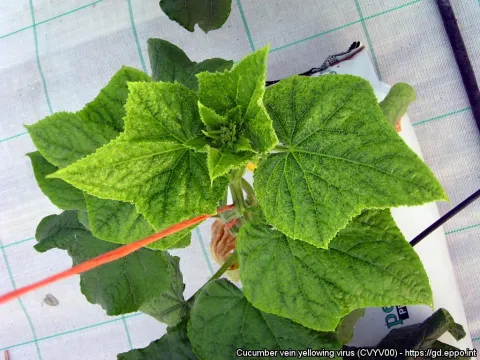
The primary symptom of Ipomovirus infection is chlorotic mosaic, characterized by yellow mottling or distinct striping on the leaf surface.
Vein yellowing is a highly specific symptom for many Ipomoviruses, which significantly interferes with the plant's photosynthetic efficiency and vigor.
Infected plants typically show stunted growth, reduced height, and deformation of stems or foliage, leading to an overall decline in plant vitality.
In sweet potato or cucurbit crops, severe infections may lead to leaf curling, necrotic lesions on mature tissues, and reduced yield quantity.
Symptoms are often dependent on the host cultivar, age of the plant at the time of infection, and environmental factors such as temperature and light levels.
High soil moisture is the most critical condition for Ipomovirus development, as it facilitates the movement and survival of the Olpidium vector.
Temperatures ranging between 18 and 25 degrees Celsius are optimal for the fungal vector's life cycle and, consequently, the spread of the virus.
Presence of infected crop debris in the soil allows the pathogen to persist during the off-season, creating a high-risk environment for subsequent plantings.
Irrigation with contaminated water from open sources or improper disinfection of hydroponic/soil substrates are common ways the virus is introduced to new sites.
Poor greenhouse hygiene and lack of sterilization practices in intensive vegetable cultivation lead to the accumulation of the virus and its vector over time.
The economic impact of Ipomovirus is driven by substantial yield losses, resulting from both reduced plant count and lower quality of the harvest.
Infected plants exhibit severe metabolic disruption, making them weaker and more susceptible to secondary fungal or bacterial pathogens.
Marketable quality is severely compromised due to plant deformation, discoloration of fruits, and reduced fruit size, often making produce unsellable.
Management costs are high, as the systemic nature of the disease requires the total destruction of infected plants and expensive sanitation of the growing area.
The lack of curative chemical treatments for viral diseases makes prevention the only viable strategy for maintaining productivity in affected regions.
The most effective strategy for managing Ipomovirus is the deployment of resistant or tolerant crop cultivars, which can limit the impact of infection.
Soil sterilization, including steam treatment or professional chemical fumigation, is necessary in greenhouses to eliminate the fungal vectors (Olpidium) from the substrate.
Strict hygiene protocols, including the use of filtered water and managing drainage to avoid waterlogged conditions, are essential to stop the spread of zoospores.
Maintaining proper spatial isolation between plantings and controlling weed populations that act as alternate hosts can significantly reduce viral pressure.
- Implement strict crop rotation patterns to interrupt the pathogen cycle.
- Ensure that only disease-free seedlings are used for planting.
- Monitor soil conditions regularly to prevent conditions favorable to Olpidium.