
Polyploviricotina
Polyploviricotina
Polyploviricotina is a subphylum of viruses within the Negarnaviricota phylum. These are obligate intracellular parasites containing a segmented negative-sense single-stranded RNA genome, which significantly affects their replication strategy.
What the section contains
Polyploviricotina
In agronomy, these viruses are recognized as agents causing severe systemic diseases in various agricultural and horticultural crops. Once inside the host cell, they hijack cellular machinery to produce viral proteins, leading to metabolic failure.
Transmission occurs primarily through biological vectors. Insects such as aphids, leafhoppers, and thrips acquire the virus while feeding on infected phloem and transmit it to healthy plants during subsequent feeding sessions.
These viruses are characterized by high genomic plasticity, allowing them to rapidly evolve and overcome plant resistance mechanisms. Their ability to suppress host immune responses is a major factor in their virulence.
The taxonomic group includes various viruses that cause significant agricultural impact worldwide. Due to their complex genome structure, they pose a continuous challenge for diagnostic laboratories and plant breeders alike.
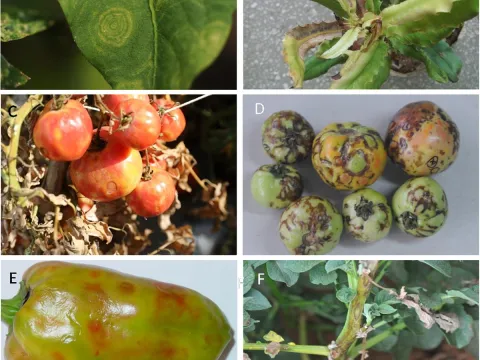
The symptoms of Polyploviricotina infections are primarily characterized by mosaic patterns on leaves, where chlorotic and green areas intermingle. This indicates a disruption in the photosynthetic system of the plant.
Affected plants often show morphological deformities, such as leaf curling, crinkling, or severe stunting. Such changes significantly impede the plant's ability to accumulate biomass and develop effectively.
Vein clearing is a common early diagnostic sign, followed by potential necrosis of leaves or stems. In advanced stages of infection, plants may stop developing entirely, leading to reduced yield or total failure.
Reproductive organs, including flowers and fruits, can also be severely affected, showing malformation or discoloration. Fruits may appear mottled, stunted, or fail to ripen uniformly, making them commercially unviable.
- Mosaic and chlorotic spotting on foliage
- Stunting and growth retardation
- Leaf curling and deformation
- Vein clearing and discoloration
- Malformation of fruits and seeds
The development of Polyploviricotina-associated diseases is strongly correlated with the population dynamics of insect vectors. Warm temperatures and high humidity facilitate the migration and reproduction of these pests.
Reservoir hosts play a critical role in the virus lifecycle. Perennial weeds located near fields often serve as overwintering sites, allowing the virus to persist and re-emerge at the start of the next growing season.
Poor agricultural practices, such as the use of infected vegetative propagules (tubers, bulbs, cuttings), can lead to rapid spread across large planting areas. Clean planting material is essential to prevent early field outbreaks.
Plant stress, often caused by nutrient deficiency or irregular irrigation, increases susceptibility to viral infection. Stressed plants have less robust defense mechanisms, making it easier for viral particles to establish systemic infection.
High-density planting in monoculture systems increases the frequency of plant-to-plant contact by insect vectors, creating conditions for rapid epidemic spread once an initial infection is established.
The economic impact of Polyploviricotina is substantial, as systemic viral infections are generally incurable. Once a plant is systemically infected, it remains a source of inoculum throughout its lifespan.
Crop quality is severely degraded, leading to loss of marketability. Deformed and undersized produce often fails to meet quality standards, resulting in significant financial losses for farmers.
Long-term harm includes the weakening of plant vigor, making crops more prone to secondary infections, including fungal pathogens and bacterial rots, which capitalize on the plant's suppressed physiological state.
In many regions, persistent viral pressure necessitates the removal of entire fields, leading to total loss of investments in labor, fertilizer, and irrigation for the current cycle.
The presence of these viruses may force growers to shift to less profitable crop varieties that happen to be resistant, thereby reducing the overall economic efficiency of the agricultural operation.
Effective management of Polyploviricotina relies on a multi-faceted approach. The most critical step is the use of certified, virus-free planting material to prevent initial introduction to the farm.
Strategic vector control is essential. By monitoring insect populations and applying insecticides during peak migration periods, farmers can significantly reduce the probability of virus transmission.
Sanitation practices, such as weed management in field borders and destruction of volunteer plants, help reduce the local reservoir of the virus, minimizing the risk of secondary spread.
Prompt roguing of symptomatic plants at the first sign of infection is a standard procedure to limit the spread of the virus within the field. Early detection is key to successful containment.
Implementing proper crop rotation and utilizing resistant hybrids remain the most reliable long-term strategies. Maintaining soil health and providing adequate nutrition can also help plants tolerate infection stress more effectively.