
Poleroviruses
Polerovirus spv
Poleroviruses (genus Polerovirus) are a group of single-stranded RNA viruses known for their specialized localization in the plant phloem tissue. They are among the most destructive pathogens in agriculture due to their systemic nature and efficient transmission.
What the section contains
Poleroviruses
The transmission of these viruses is mediated exclusively by aphids (family Aphididae). The virus is acquired through phloem feeding and is transmitted in a persistent, circulative manner, meaning the aphid remains a vector for the rest of its life after the acquisition period.
Significant members of this genus include the Potato leafroll virus (PLRV), Beet western yellows virus (BWYV), and Barley yellow dwarf virus (BYDV). These viruses cannot be transmitted mechanically through sap or seeds, which complicates their spread prevention.
Once inside the plant, the virus particles travel through the phloem sieve elements. This infection blocks the translocation of photoassimilates, effectively starving the plant's roots and developing organs of vital nutrients.
Poleroviruses have a vast host range, including many weeds and volunteer crops that serve as reservoirs. This ecological versatility allows the viruses to survive in the landscape even in the absence of primary commercial host crops.
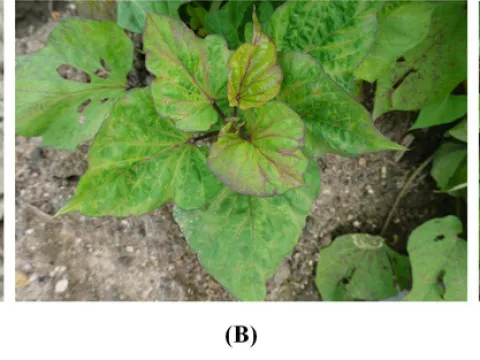
The hallmark symptoms of polerovirus infection involve yellowing and discoloration. In many dicot crops, this begins with interveinal chlorosis and leaf yellowing, which often progresses from the margins inward.
Potato leafroll virus causes the characteristic upward rolling of leaflets, giving the plant a rigid, upright, and leathery appearance. The leaves often turn brittle due to the accumulation of starch that cannot be transported out of the leaf tissue.
In cereal crops, infections manifest as severe stunting and yellowing (or reddening) of the foliage. These plants are significantly shorter than healthy ones, and their development is drastically retarded, leading to poor tillering and reduced biomass.
Infected crops often display uneven growth patterns within a field. These visual symptoms are frequently misinterpreted as nutrient deficiencies (like nitrogen or magnesium), leading to ineffective fertilization attempts rather than addressing the viral etiology.
Confirmation of the disease requires laboratory diagnosis, such as ELISA (Enzyme-Linked Immunosorbent Assay) or RT-PCR, as visual symptoms can overlap with other biotic or abiotic stresses.
The primary economic impact of poleroviruses is a significant reduction in yield and quality. Once a plant is systemically infected, it cannot recover, leading to a permanent decline in physiological performance throughout the growing season.
In potato cultivation, poleroviruses cause a dramatic decrease in both tuber size and quantity. Chronic infection leads to the degeneration of seed stocks, rendering tubers unfit for planting in subsequent years and forcing farmers to incur costs for new certified seeds.
Cereal crops infected with BYDV exhibit reduced grain filling, leading to shriveled grains and low test weights. Yield losses in susceptible varieties can exceed 40-50% in years with high aphid pressure.
Infected plants are inherently more susceptible to secondary pathogens, including root rots and fungal leaf diseases. This weakened immunity often results in total crop failure if favorable environmental conditions for secondary pathogens occur.
The loss of marketability is a major issue for vegetable producers, as viral discoloration and malformation render the produce unacceptable for fresh market standards and storage.
Managing poleroviruses requires an integrated pest management (IPM) strategy focused heavily on controlling the aphid vectors. Since the virus persists in the aphid, early-season control is critical for protecting young crops.
The use of certified virus-free planting material is the most essential measure for preventing primary infections. Planting clean seeds significantly reduces the initial inoculum pressure at the beginning of the growing season.
Sanitation practices, including the eradication of weeds and volunteer plants that harbor both the virus and aphid populations, are fundamental. Spatial isolation between sensitive crops and known reservoir areas also reduces the risk of infestation.
Applying systemic insecticides at the first sign of aphid colonization can help curb the spread of the virus. However, chemical control must be timed precisely with the aphid migration patterns to be effective.
Developing and utilizing resistant or tolerant crop varieties remains the most sustainable and efficient approach. Breeding programs focused on resistance traits have successfully mitigated the impact of poleroviruses in many global production regions.