
Raspberry bushy dwarf virus
Marafivirus rubi
Raspberry bushy dwarf virus (RBDV), belonging to the Marafivirus genus, is a significant plant pathogen that primarily targets species within the Rosaceae family. It is a widespread virus that causes severe degradation in raspberry plantations.
What the section contains
Raspberry bushy dwarf virus
The host range is primarily limited to Rubus species, with cultivated raspberries being the most susceptible. The virus is capable of causing systemic infection, meaning it spreads throughout the entire vascular system of the plant.
The most common mode of natural transmission is through pollen. Infected pollen is transported by bees and other pollinating insects to healthy flowers, leading to the systemic infection of the fruit-bearing cane and the subsequent development of the virus in the root system.
Propagation through infected nursery stock is a critical issue in the berry industry. Because the virus is present in the sap, any vegetative propagation method—such as using root cuttings or suckers from an infected parent plant—will result in an infected offspring.
While mechanical transmission via contaminated pruning equipment is possible, it is considered a secondary risk compared to pollen-borne and nursery-spread infection pathways.
Symptoms of Raspberry bushy dwarf virus are often subtle and can vary greatly depending on the cultivar. Many raspberry varieties show no obvious signs of infection, acting as asymptomatic carriers that silently spread the virus.
When symptoms do appear, they typically manifest as leaf chlorosis, which can show up as yellow patches, distinct yellow patterns, or mosaic-like symptoms between the veins. In some cases, leaves may appear curled or distorted.
The "bushy dwarf" characteristic is a classic symptom of advanced infection, where the plant exhibits stunted growth, shortened internodes, and a dense, shrubby appearance compared to healthy, vigorous plants.
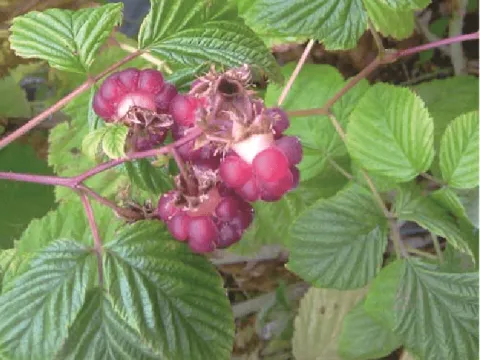
The fruit quality is severely compromised. Infected raspberries are often small, crumbly, and uneven in color, which drastically reduces their marketability and shelf life.
During the flowering season, infected plants may experience premature blossom drop or poor fruit set, which significantly impacts the total yield potential of the plantation.
The primary harm caused by RBDV is the irreversible decline of the raspberry plant. Once a plant is systemically infected, there are no curative treatments, and it remains a permanent source of virus for the rest of the plantation.
Economic impact is driven by a steady decline in yields over several years. As the virus progresses, the number of healthy fruiting canes decreases, and the overall plant vigor diminishes rapidly.
The production of low-quality, crumbly fruit renders the harvest unsuitable for fresh markets. This leads to substantial financial losses for growers who rely on high-grade produce for profit.
Viral infection leaves the plants more susceptible to abiotic stressors like winter kill and drought. A weakened plant is also more likely to be successfully attacked by secondary pathogens, such as root rots.
Ultimately, the presence of this virus leads to the premature removal and destruction of the entire plantation, increasing the cost of production and shortening the productive lifespan of the farm.
The cornerstone of management is the use of certified virus-free planting material. Establishing a new plantation with stock that has been indexed and confirmed free of RBDV is the only reliable way to prevent the disease.
Regular inspection and rogueing are essential. Any plant showing symptoms of stunting or leaf chlorosis should be immediately removed and destroyed, including the root system to prevent root grafts or sucker regrowth.
Practice strict sanitation by disinfecting pruning tools between plants to prevent mechanical transmission, especially when managing older or suspected plantations.
While it is impossible to fully exclude pollinators, growers should monitor the presence of vectors and maintain general plant health to improve the natural resilience of the crop against environmental stressors.
Proper site preparation and crop rotation help prevent the carry-over of virus-laden root fragments in the soil, although the primary focus should always be on the health of the nursery stock being introduced.