
Raspberry bushy dwarf virus
Idaeovirus rubi
The characteristic symptom of this disease is severe stunting, where new canes develop as weak, thin, and significantly shorter shoots than healthy ones.
What the section contains
Raspberry bushy dwarf virus
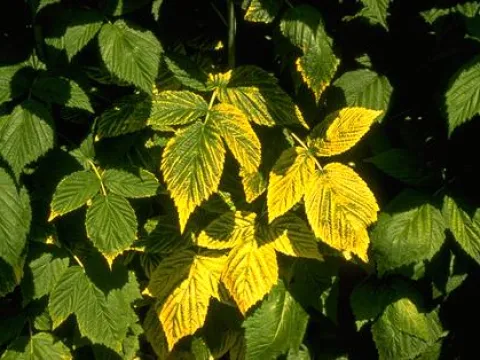
Leaves often become small, show signs of chlorosis, or exhibit irregular crinkling, which drastically reduces the photosynthetic capacity of the plant.
During the flowering and fruiting season, flowers often drop prematurely, and the fruits that do develop are undersized, crumbly, and lack proper flavor.
The root system weakens over time, leading to a loss of vigor and the inability of the plant to produce high-quality replacement canes.
Affected plants often display a bushy, stunted appearance, creating a dense, low-growing growth pattern that deviates significantly from healthy, upright canes.
The causative agent is the Raspberry bushy dwarf virus (RBDV), which is classified under the genus Idaeovirus.
It is an RNA virus that primarily infects species in the Rosaceae family, including Rubus idaeus (red raspberry) and blackberry.
The virus acts as a systemic pathogen, moving throughout the vascular tissues and disrupting the plant's metabolic and physiological balance.
Genetic diversity within the virus allows for the emergence of different strains that can vary in their virulence and host range.
As the virus replicates within the host cells, it interferes with hormonal regulation, causing the stunting and morphological changes typical of the disease.
The primary transmission route in commercial fields is through infected pollen, carried by bees and other pollinating insects during the bloom period.
Vegetative propagation using infected cuttings or nursery stock is another major pathway for introducing the virus into previously healthy areas.
Many raspberry cultivars can act as symptomless carriers, harboring the virus without obvious signs, which facilitates its spread through the nursery trade.
Environmental conditions during the flowering phase directly influence the rate of spread, as insect activity determines the frequency of pollen transfer.
The virus does not typically spread through soil, but its persistence in the perennial root systems makes it a chronic threat to the entire plantation.
Raspberry bushy dwarf virus is a highly destructive pathogen that causes substantial economic losses by ruining fruit quality and quantity.
Once a field is infected, the plantation’s productive life is significantly reduced, often requiring full removal to prevent further spread.
The virus degrades the plant's structural integrity, making it difficult to maintain standard horticultural practices on the infested site.
There are no chemical treatments available to cure an infected plant, meaning the virus causes permanent damage to every individual it colonizes.
The cumulative effect of infection is the eventual decline and death of the plantation, impacting both yield performance and marketability of the produce.
The most reliable strategy is to start new plantations using only virus-indexed, certified disease-free nursery stock from reputable sources.
Implement strict phytosanitary measures, including the immediate removal and destruction of any symptomatic plants to reduce the inoculum load.
Select raspberry varieties that have been bred for resistance or tolerance to RBDV to minimize the impact of the virus in high-risk areas.
Maintain proper spatial isolation between new, clean plantings and older, potentially infected raspberry fields to avoid pollen-borne transmission.
Regular monitoring of the plantation during the flowering season is essential to identify and eliminate reservoirs of infection as early as possible.