
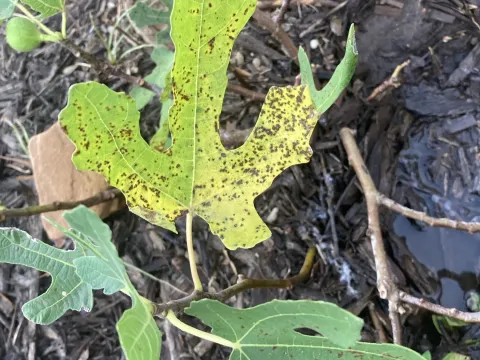
Fig leaf curl
Fig leaf
The primary symptom of fig leaf curl is the noticeable distortion of leaf blades. Leaves of Ficus carica begin to curl, twist, and develop a wrinkled, bumpy, or puckered appearance.
What the section contains
Fig leaf curl
As the infection advances, you may observe the development of necrotic spots ranging from yellow to dark brown. These spots indicate tissue death and can cause holes or ragged margins on the foliage.
In severe cases, the texture of the leaves becomes thickened and brittle. The affected leaves often lose their vibrant green color, turning yellowish or pale before eventually wilting and falling off prematurely.
The disease often spreads to the shoots, which may show signs of stunting and unnatural twisting. This gives the tree a sparse and unhealthy look, especially during the peak growing season.
Early identification is crucial, as the symptoms typically start on the lower or innermost branches before spreading rapidly throughout the entire canopy if left unmanaged.
The disease is primarily caused by fungal pathogens, often associated with the Taphrina genus or similar leaf-spotting fungi. It is a classic mycological infection that disrupts plant growth.
These fungi typically overwinter as dormant spores in the bark crevices, bud scales, or in infected leaf litter left on the ground under the canopy of the tree.
When environmental conditions become favorable, usually during early spring, these spores are released and dispersed by rain splashes or wind, landing on the tender, developing buds of the fig tree.
The pathogen colonizes the leaf tissues, secreting growth-regulating enzymes that disrupt normal cell expansion. This leads to the characteristic deformation known as leaf curl.
Because the fungus is obligately linked to the living tissues of the host, it persists as long as the tree is not treated and the infected debris is not removed from the site.
Cool, wet, and humid spring weather is the most significant factor in the development and spread of fig leaf curl. Constant moisture on the foliage provides the ideal environment for spore germination.
Poor airflow within the canopy, often due to lack of proper pruning, allows for prolonged leaf wetness. This stagnant microclimate is highly conducive to fungal outbreaks.
Temperature fluctuations, particularly chilly nights followed by warm days, can stress the tree, making it more susceptible to infection by compromising its natural defenses.
Cultural practices, such as excessive nitrogen application, can lead to the production of succulent, rapidly growing shoots that are softer and much easier for the fungus to penetrate.
Planting fig trees in low-lying areas or in soils with poor drainage contributes to high humidity levels, which significantly increases the risk of persistent disease cycles.
The major impact of fig leaf curl is the substantial reduction in the photosynthetic capacity of the tree. When the leaves are distorted or damaged, the tree cannot produce enough energy to support itself.
This deficit in energy production leads to poor fruit set, reduced fruit size, and premature fruit drop. In many cases, the fruit quality is significantly impaired, rendering the crop unmarketable.
Chronic infection weakens the tree's overall vigor. A tree that loses its leaves prematurely year after year becomes prone to wood rot, environmental stress, and other secondary pests.
For commercial growers, this disease results in lower yields and significant losses. In home gardens, it ruins the aesthetic value of the fig tree, often requiring intensive care to recover.
If left unaddressed, the cumulative effect of constant stress on the plant can eventually lead to the decline and death of the entire tree, especially in younger, less established specimens.
The most effective strategy for control is the application of copper-based fungicides in the early spring, precisely before the buds begin to open, to prevent the initial infection.
- Remove and destroy all infected leaves and prunings to reduce the inoculum load.
- Practice annual sanitation by cleaning up leaf debris from the ground every autumn.
- Prune the tree to ensure an open canopy, allowing for better light penetration and air circulation.
- Avoid over-fertilizing with nitrogen to minimize the growth of overly susceptible succulent tissue.
If the infection appears during the growing season, applying appropriate systemic fungicides can help mitigate the spread, although preventive measures remain the most effective approach.
Ensuring the tree is well-hydrated and nourished with proper phosphorous and potassium levels helps build the plant's overall resilience against fungal pathogens.