
Fimoviruses
Fimoviridae
Fimoviruses (family Fimoviridae) are a group of negative-sense single-stranded RNA viruses. These pathogens are characterized by their segmented genomes and filamentous virus particles, which infect a range of perennial woody plants.
What the section contains
Fimoviruses
The most significant member of this family is the Fig mosaic virus. These viruses have evolved a highly specific parasitic relationship with their hosts, utilizing the plant's metabolic pathways to ensure their own successful replication within the cells.
The disease process is systemic, meaning once the virus enters the plant, it moves through the vascular system, specifically the phloem, eventually spreading throughout the entire organism.
Transmission in the field is largely dependent on eriophyid mites. These specialized vectors feed on infected tissues and subsequently transmit the viral particles to healthy plants, ensuring the persistence of the disease across orchards.
Fimoviruses often remain latent in host plants for extended periods. This characteristic is a significant challenge for plant quarantine and nursery management, as infected stock may show no immediate symptoms despite carrying the virus.
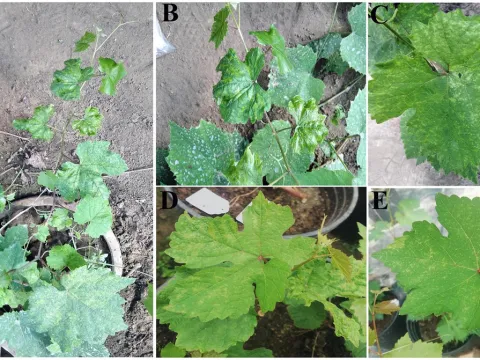
The hallmark of Fimovirus infection is the appearance of mosaic patterns on leaves. These patterns manifest as chlorotic spots, yellowing of veins, and irregular discolored patches that significantly reduce the photosynthetic capacity of the plant.
Foliar deformation is another common symptom, where leaves become crinkled, asymmetric, or show stunted growth. In severe cases, the leaf margins may show necrosis, leading to premature leaf drop during the growing season.
Stunted growth of new shoots is a reliable indicator of infection. The distance between nodes decreases, giving the plant a bushy or dwarf appearance compared to healthy specimens of the same species.
Fruit quality is severely impacted by the infection. Fruits may show abnormal spotting, irregular ripening, or significantly smaller sizes, which render them unsellable in commercial markets.
- Chlorotic mosaic on leaf blades;
- Deformed or asymmetrical leaves;
- Shortened internodes;
- Premature fruit shedding;
- Reduced overall plant vigor.
The environmental spread of Fimoviruses is heavily influenced by the population dynamics of eriophyid mites. Warm, dry weather conditions are ideal for mite breeding, leading to a surge in viral transmission across orchards.
Poor orchard sanitation is a major factor in disease prevalence. Abandoned or unmanaged trees near healthy crops act as natural reservoirs, constantly harboring the virus and providing a steady supply of infected vectors.
Mechanical transmission is a hidden risk, especially during pruning. If tools are not sterilized between trees, the virus can be easily transferred, turning a localized infection into a widespread outbreak.
The quality of initial planting material is crucial. Using unverified grafts or cuttings often introduces the virus into clean soil, where it can persist unnoticed for years due to its latent nature.
Environmental stress, such as drought or poor soil nutrition, exacerbates the disease symptoms. A stressed plant has weakened defenses, allowing the virus to replicate more aggressively and manifest symptoms faster.
Fimoviruses cause long-term economic damage through the chronic exhaustion of plant resources. The infection does not kill the plant immediately but gradually degrades its ability to produce fruit, leading to significant yield losses over time.
Infected orchards exhibit increased susceptibility to secondary stresses, including frost damage and pest infestations. This reduces the lifespan of the plantation, necessitating expensive early removal and replanting.
Commercial losses arise from the inferior quality of the harvested fruits, which often fail to meet market standards for size, appearance, and flavor, directly affecting the profitability of agricultural operations.
Management costs are significantly elevated due to the need for persistent pest control, specialized laboratory diagnostics, and regular monitoring programs required to manage the spread of the pathogen.
Ultimately, the threat of Fimoviruses can lead to the total collapse of specific crop production in a region if quarantine measures are not strictly followed and infected material is traded widely.
The primary control strategy is the use of certified virus-free planting material. Establishing a new orchard with nursery stock tested by PCR or other sensitive methods is the most effective preventative measure.
Rigorous management of eriophyid mite populations is essential. Using targeted acaricides during peak periods of mite activity helps break the transmission cycle and keeps the virus from spreading further.
Implementing strict orchard hygiene is mandatory. All tools used for pruning or grafting must be sanitized thoroughly to prevent mechanical transmission of viral particles between plants.
Early identification and rogueing of symptomatic plants are critical. Infected individuals should be removed immediately from the orchard, including the root system, and disposed of by burning or deep burial.
Maintaining optimal soil fertility and plant health helps plants tolerate viral pressure. While there is no cure for established Fimovirus infections, a healthy plant may remain productive for longer than one struggling with poor agronomic conditions.