
Fig badnavirus
Badnavirus fici
Description
Symptoms
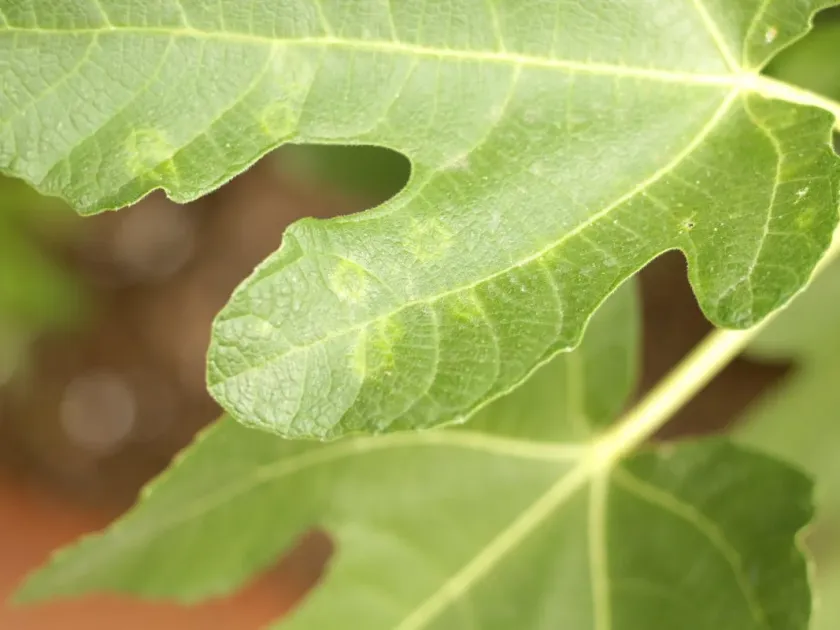
The most common symptoms include chlorotic mosaic patterns on leaves, where yellow or pale green patches disrupt the natural deep green color of the foliage.
Stunting of plant growth is frequently observed. This manifests as shorter internodes, leading to a compact or rosette-like appearance of the branches and shoots.
In severe cases, leaf deformation occurs, with edges appearing wavy or crinkled. The leaves may also show premature senescence and drop earlier than normal in the growing season.
The presence of the virus can alter the physiological balance of the plant, often leading to reduced vigor and a general "tired" appearance of the tree throughout the summer months.
- Yellowing of leaf veins.
- Reduced leaf size.
- Poor shoot development.
- Deformed fruit structure.
Pathogen
The causative agent of this disease is a virus belonging to the Badnavirus genus. It is a plant virus with a double-stranded DNA genome that specifically affects members of the Moraceae family.
The viral particles exhibit a typical bacilliform morphology. Once inside the plant, the virus systemically colonizes the phloem, disrupting normal nutrient transport and cellular processes.
Fig badnavirus is characterized by its stability within host tissues. It often remains latent, meaning the plant can harbor the virus without showing immediate severe symptoms, facilitating spread.
The transmission of this pathogen occurs primarily through vegetative propagation using infected scions or rootstocks, which is a major concern for commercial nursery production.
In addition to propagation methods, the virus can be spread by insect vectors, particularly mealybugs, which acquire the virus while feeding on infected sap and transmit it to healthy hosts.
Why it matters
The economic impact of fig badnavirus is significant due to the reduction in yield quality. Infected trees produce smaller fruits that often fail to reach their full sugar potential.
The virus compromises the tree's overall immune system, making the fig plant more susceptible to opportunistic pathogens, such as wood-decay fungi and bark borers.
Commercial growers face major losses as infected produce may be rejected by the market due to poor appearance and inferior taste profiles compared to healthy crops.
Over time, the cumulative effect of the viral infection leads to the decline and eventual death of the affected branches or the entire tree, necessitating expensive replanting.
Since there are no chemical treatments available to cure the virus, the pathogen creates a long-term risk of degradation for the entire orchard structure.
Protection
The most effective strategy is the rigorous selection of virus-free planting material. Growers should only purchase trees from certified nurseries that perform regular diagnostic testing.
Sanitation is paramount. All pruning tools must be disinfected with appropriate agents, such as ethanol, between each tree to prevent the mechanical transmission of the virus.
Integrated pest management (IPM) is essential to control mealybug populations, as these insects act as the primary biological vectors for the badnavirus in fig orchards.
Early identification through visual scouting and, if necessary, molecular diagnostic testing (like PCR) allows for the prompt removal and destruction of infected trees.
Maintaining high plant health through proper fertilization and watering can help the tree cope with the stress of the virus, although it cannot eliminate the pathogen itself.
Discussion
No discussions yet — be the first.