
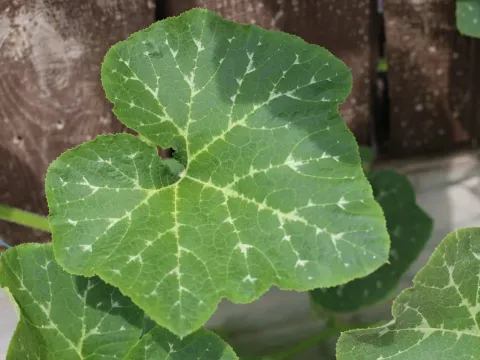
Cucurbit fabavirus
Fabavirus cucurbitaceae
Cucurbit fabavirus is a viral pathogen belonging to the Fabavirus genus, specifically known for infecting various species within the Cucurbitaceae family.
What the section contains
Cucurbit fabavirus
This RNA virus relies entirely on its host for replication and has evolved efficient mechanisms to bypass plant defense systems and establish systemic infection.
The virus particles are spherical and travel through the plant vascular system, particularly the phloem, causing systemic distress throughout the entire plant structure.
Like other viruses in its class, it cannot penetrate the plant cell wall on its own; it requires biological vectors or mechanical wounding to initiate an infection cycle.
Understanding the biology of this pathogen is crucial for crop management, as it can remain latent in certain weed hosts, serving as an inoculum reservoir for future seasons.
The most common symptoms include a mosaic pattern on leaves, featuring alternating light and dark green areas that typically appear on the youngest, newly emerging foliage.
Leaf distortion is frequently observed, where the foliage becomes crinkled, puckered, or exhibits irregular edges, hindering the plant's photosynthetic efficiency.
Stunting is a hallmark of this infection; infected plants often have shortened internodes, leading to a compact, bushy appearance that clearly differentiates them from healthy plants.
Fruit symptoms are often severe, presenting as mottling, discoloration, or extreme surface deformities, rendering the harvest visually unappealing and commercially unviable.
In addition to these visible signs, the root system is often compromised, which reduces the plant's overall vigor and ability to uptake necessary nutrients and water from the soil.
The transmission and spread of the virus are primarily driven by insect vectors, most notably aphid species that feed on cucurbit leaves and sap.
Environmental conditions that favor high aphid populations, such as warm and relatively dry weather, are directly correlated with higher rates of viral transmission in the field.
Proximity to perennial weeds acts as a bridge for the virus, as these plants provide a continuous supply of the pathogen, which is then spread by insects to the crops.
Mechanical spread is also a significant factor in commercial operations; tools, clothing, and hands that contact infected sap can transmit the virus to healthy plants.
High-density planting configurations allow for quicker insect movement between plants, accelerating the development of infection clusters across the agricultural plot.
The economic impact of this virus is substantial, as it significantly reduces both the quality and the total volume of the marketable fruit harvest.
By interfering with the plant's metabolic processes and nutrient allocation, the virus stunts overall development and weakens the plant's resilience against biotic and abiotic stressors.
Infected crops often exhibit early senescence, leading to a drastically shortened productive lifespan and lower cumulative yields throughout the growing season.
Secondary infections often exacerbate the situation, as the plant's weakened state makes it more susceptible to opportunistic fungal and bacterial colonizations.
The loss of crop quality is often permanent; there is no curative measure once the plant becomes systemically infected, necessitating total removal of the crop in severe outbreaks.
The primary control strategy is the prompt removal and destruction of any plants showing symptoms, which serves to eliminate the primary sources of infection within the field.
Effective management of aphid populations through the timely application of insecticides is vital to break the transmission chain of the virus.
Sanitation practices, including the cleaning of tools with disinfectant solutions between plants, are essential to prevent the mechanical transmission of the virus.
Weed management around the perimeter of the field is crucial to eliminate the reservoirs that allow the virus to persist between growing seasons.
- Use of certified, virus-free seeds and planting material.
- Implementing spatial isolation between different cucurbit crops.
- Regular scouting for insect vectors and early viral signs.