
Cressdnaviricota
Cressdnaviricota
Cressdnaviricota is a broad phylum of viruses characterized by a circular single-stranded DNA genome. This group includes important families such as Geminiviridae and Circoviridae, which are significant pathogens affecting diverse plant species.
What the section contains
Cressdnaviricota
The disease caused by these viruses is systemic, meaning the pathogen spreads through the phloem of the plant, disrupting the transport of nutrients and essential metabolites from leaves to roots.
These viruses are obligate intracellular parasites. Upon entering the plant cell, they utilize the host's DNA replication machinery to produce progeny, causing cellular stress and metabolic dysfunction.
The viral particles are notably stable, which allows them to survive in the environment, particularly within the tissues of carrier insects or on infected crop debris until conditions for transmission are met.
Classification within this phylum is based on sophisticated genomic analysis. Understanding the molecular biology of these viruses is essential for creating specific primers used in modern diagnostic detection.
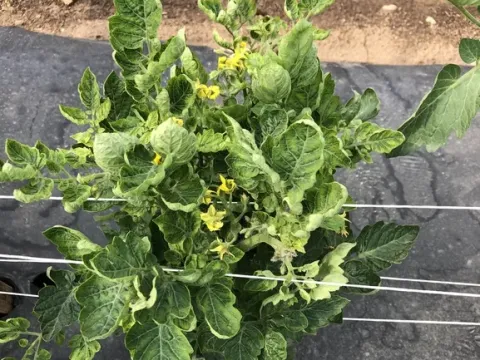
Symptoms often manifest as mosaic patterns on foliage, characterized by alternating patches of light green, yellow, and healthy dark green tissue, which is a classic sign of viral interference with chlorophyll production.
Leaf curling, crinkling, and distortion are common morphological changes. Affected leaves are often smaller than normal, leading to a stunted appearance of the entire plant canopy.
Reproductive development is severely impacted, resulting in reduced fruit set, deformed produce, or premature abscission. This significantly reduces the marketable yield of the crop.
Vascular tissues may exhibit browning or necrosis when inspected internally, reflecting the systemic nature of the infection and the plant's inability to maintain its internal plumbing.
Root systems in infected plants frequently show signs of poor development, making the plant more susceptible to soil-borne secondary pathogens and drought stress.
Transmission of Cressdnaviricota is typically vector-mediated. Insects such as whiteflies, aphids, and leafhoppers play a primary role in spreading the virus by feeding on the sap of infected plants and then moving to healthy ones.
Warm and humid weather conditions are optimal for the proliferation of these insect vectors, leading to higher incidence rates and rapid spread of the virus throughout the fields.
Weed hosts growing near or within crops act as essential reservoirs, maintaining the viral load during the off-season and providing a bridge for re-infection in the following growing season.
Poor agricultural practices, such as failing to rotate crops or using infected planting material, provide perfect conditions for the virus to become established and reach epidemic levels.
Mechanical damage to plants during pruning, harvesting, or regular field maintenance provides entry points for the virus, accelerating its spread within the localized population of host plants.
The economic impact of these viral infections is severe, with yield losses often ranging from 30 to 70 percent, depending on the timing of the infection. Early infection can render a crop entirely unproductive.
Beyond quantity, the quality of the harvest is compromised, as fruits become unmarketable due to irregular shapes, poor color, and altered taste, making them unsuitable for fresh market sales.
Outbreaks of viral diseases necessitate strict quarantine measures, preventing the transport of agricultural goods and impacting regional trade and income for farmers.
Infected crops show significantly reduced resilience to environmental stresses, including extreme temperatures and water scarcity, further increasing the risk of complete crop failure.
The cost of managing viral outbreaks is substantial, requiring investments in vector control, field sanitation, and the potential replacement of destroyed crop cycles.
The primary defense strategy is the exclusive use of certified, virus-free seeds and planting material, which ensures that the pathogen is not introduced into the field at the start of the season.
Integrated Pest Management (IPM) focusing on the control of vectors is critical. Regular monitoring using yellow sticky traps helps in timing insecticide applications to keep vector populations below economic thresholds.
Sanitation of the field environment, including the destruction of weeds that harbor viruses, is fundamental to reducing the reservoir of the pathogen near the cultivated crops.
Implementing crop rotation and maintaining spatial isolation between susceptible plant populations helps to disrupt the life cycle of the virus and maintain soil health.
- Regular disinfection of farming tools and machinery.
- Rogueing (removing) infected plants early to prevent spread.
- Adopting resistant or tolerant crop varieties through modern breeding.