
Arracacha virus B
Cheravirus arracaciae
Arracacha virus B (Cheravirus arracaciae) is a plant pathogen classified within the genus Cheravirus and the family Secoviridae. It is a viral agent with a single-stranded RNA genome causing systemic infections.
What the section contains
Arracacha virus B
The virus specializes in infecting plants within the Apiaceae family. Once inside the host plant, the virus moves through the phloem, effectively colonizing all plant tissues and disrupting normal metabolic pathways.
Biological studies indicate that the virus is particularly persistent in vegetative propagation materials, such as rootstocks and tubers, allowing it to survive for extended periods between growing seasons.
As a systemic pathogen, the virus interferes with the transport of sugars and minerals, severely impacting the host plant's ability to maintain healthy growth and reach its full yield potential.
Due to its stability and specialized host range, it is considered a significant threat in areas where Arracacia cultivation is intensive and biosecurity measures are insufficient.
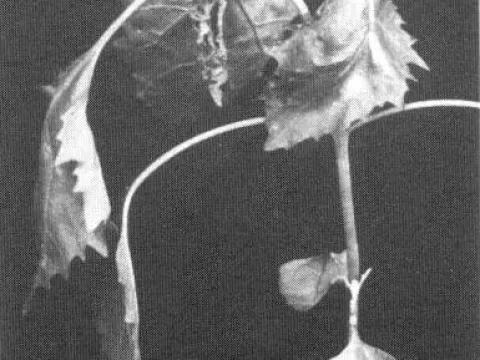
Symptoms of Arracacha virus B infection typically manifest as chlorotic spots, mosaic patterns, or mottling on the leaves, making the plants appear unhealthy and discolored.
Affected plants often display severe stunting, with significantly shortened internodes and smaller leaves compared to healthy specimens of the same variety and age.
In addition to foliage symptoms, the root systems are often deformed or underdeveloped. The edible roots may show irregular shapes or surface abnormalities that ruin their marketability.
Under stressful conditions, such as drought or high temperatures, the infected plants exhibit rapid wilting and premature yellowing of the entire canopy, leading to early senescence.
- Mosaic and chlorotic leaf spots
- Deformed and stunted plant growth
- Reduced quality and size of storage roots
The primary route of virus transmission is the use of infected planting materials. When growers utilize vegetative parts from symptomatic plants, the virus is inevitably passed to the next generation.
Mechanical transmission is another critical factor. During routine agricultural activities such as hoeing, weeding, or pruning, the virus can be easily spread from infected plants to healthy ones via tools or human contact.
Soil-borne vectors, particularly certain types of nematodes, are known to facilitate the spread of Cheravirus species, moving the infection between roots within a field setting.
Environmental conditions play a role in symptom severity; warmer temperatures often accelerate the replication of the virus, making the signs of infection more pronounced during the peak growing season.
Continuous cropping without proper rotation or rest periods allows the virus to accumulate in the soil or in infected plant debris, creating a high-risk environment for subsequent plantings.
The economic impact of Arracacha virus B is significant, as it leads to reduced yields and inferior quality of the harvested produce, often rendering the crop unmarketable for retail.
Because the virus impairs the photosynthetic capacity of the plant, the storage roots fail to accumulate sufficient nutrients, resulting in smaller, nutrient-poor vegetables.
The presence of the virus weakens the overall vigor of the crop, making the plants more susceptible to secondary infections, such as bacterial or fungal rots that destroy the harvest.
The necessity for frequent replacement of infected seed stock increases production costs for farmers and poses a major challenge to maintaining the profitability of the agricultural operation.
Long-term infestation of fields can lead to the total abandonment of certain varieties if they cannot be effectively protected or cleaned from the viral infection.
The cornerstone of control is the use of pathogen-tested, virus-free planting material. Implementing rigorous certification programs for seed stocks is essential to prevent the spread of the disease.
Implementing strict sanitation protocols on farms, including the thorough disinfection of tools and equipment after each use, helps to prevent mechanical transmission of the virus.
Early identification and removal of infected plants (roguing) are vital to minimize the local reservoir of the virus within a field, preventing spread to neighboring healthy plants.
Integrated Pest Management (IPM) practices, specifically targeting nematodes and other potential soil-dwelling vectors, contribute significantly to lowering the risk of viral spread.
Practicing long-term crop rotation with non-host species allows the population of potential vectors to decline and ensures that any lingering viral presence in the soil does not infect new plantings.