
Artichoke ringspot virus
Nepovirus cynarae
The causal agent of this disease is the Artichoke ringspot virus (ARSV), a member of the genus Nepovirus. It consists of a bipartite positive-sense single-stranded RNA genome.
What the section contains
Artichoke ringspot virus
Transmission occurs primarily through soil-inhabiting nematodes of the genus Longidorus. These nematodes act as vectors, acquiring the virus when feeding on the roots of infected plants.
The virus can also be spread through infected vegetative planting material, which is a major factor in the long-distance dissemination of the disease.
Mechanical transmission via contaminated tools or during intensive field operations is another potential pathway for virus spread within a single crop.
ARSV has a relatively broad host range, which allows it to survive in various wild plants or alternate crops surrounding agricultural fields.
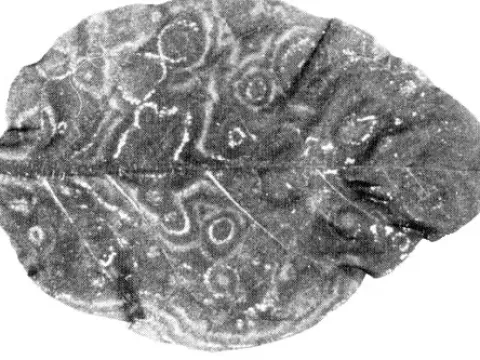
The most characteristic symptom is the formation of chlorotic rings and arcs on the leaves, which are particularly visible during the cooler periods of the growing season.
Infected artichoke plants typically show stunted growth, displaying a significant reduction in overall plant size and leaf development.
Leaf deformation is a common sign, including curling, wrinkling, and the development of asymmetric leaves, which severely impacts the plant's aesthetic and physiological state.
In later stages, necrotic lesions may appear on the foliage, eventually leading to senescence and the drying out of affected leaves.
- Chlorotic ringspots on the leaves.
- Leaf curling and deformation.
- Overall plant stunting.
- Reduction in flower bud quality.
- Yield loss due to weak plant development.
Development and spread of the disease are strongly linked to the presence and activity of Longidorus nematode populations in the soil.
Optimal environmental conditions for the virus include moist soil and moderate temperatures, which favor the movement and feeding activities of the nematode vectors.
High-density plantings or repeated cultivation of artichokes in the same field increase the soil's viral titer, facilitating rapid transmission to new host plants.
The presence of weeds that can harbor both the virus and the vectors exacerbates the risk of reinfection in adjacent planting areas.
Improper disposal of infected crop residues can allow the virus to persist in the soil environment for longer periods, providing a source for further spread.
The primary damage caused by ARSV is a dramatic reduction in marketable yield due to the production of small, malformed, and low-quality flower buds.
Infected plants suffer from weakened immune systems, making them more susceptible to environmental stress and secondary pathogen infections.
The disease forces growers to remove infected plots prematurely, causing significant financial losses due to the need for field replanting.
In many cases, the infection is permanent, and the symptomatic plant becomes a focal point for the further spread of the virus across the entire plantation.
Overall, the economic impact is substantial, involving loss of income from the current harvest and the high cost of soil remediation to eliminate nematode populations.
The most critical control measure is the use of healthy, virus-tested planting material to prevent the introduction of ARSV into new agricultural areas.
Early detection through regular field inspections allows for the roguing of infected plants, which can slow the spread of the virus within the field.
Soil fumigation or the application of nematicides to reduce the population of Longidorus vectors is essential in high-risk areas.
Implementation of long-term crop rotation cycles helps to break the cycle of infection by ensuring that host plants are not present in the same soil for extended periods.
Sanitation practices, including the thorough disinfection of tools and machinery, are vital to minimize mechanical transmission during standard agricultural practices.