
Arracacha virus A
Nepovirus arracaciae
Arracacha virus A (AVA) is a plant pathogenic virus belonging to the genus Nepovirus within the Secoviridae family. It is a polyphagous virus known to infect various economically important vegetable crops.
What the section contains
Arracacha virus A
The virus particle is spherical, approximately 30 nanometers in diameter, and possesses a bipartite genome consisting of two single-stranded RNA segments. This structure allows the virus to survive in host tissues efficiently.
Transmission occurs primarily through the soil via nematode vectors, specifically species in the Xiphinema and Longidorus genera. These nematodes acquire the virus while feeding on infected roots and transmit it to healthy plants.
Mechanical transmission is another significant pathway, as the virus can be spread through contaminated pruning tools, machinery, or even direct physical contact between infected and healthy plant tissues.
Detection and diagnosis are performed through serological methods like ELISA, which identifies specific viral proteins, or molecular techniques like RT-PCR, which are highly sensitive for detecting viral nucleic acids.
Infected plants typically display symptoms such as chlorotic mottling, mosaic patterns, and yellowing of the leaves. These symptoms are often more pronounced during early growth stages.
Stunting is a common characteristic of AVA infection. Infected plants develop smaller leaves and shorter internodes, which reduces the overall photosynthetic capacity of the plant.
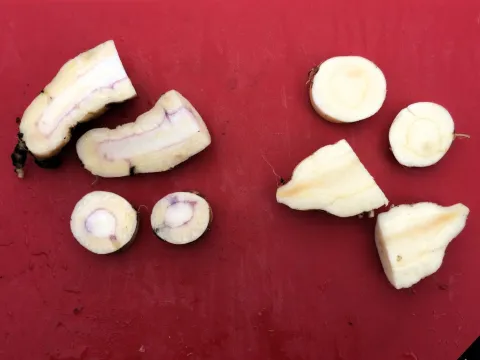
For root crops, the virus can lead to malformed, stunted, or necrotic roots. Such physical damage renders the produce unmarketable and susceptible to rot during storage.
In some cases, the virus induces systemic symptoms that affect the entire plant, leading to premature wilting and senescence, particularly under environmental stress conditions.
Variable symptom expression can occur depending on the plant cultivar, age of the plant at the time of infection, and the specific strain of the virus present in the soil.
The prevalence of the virus is closely tied to the presence of nematode vectors. High soil moisture and moderate temperatures provide ideal conditions for nematode activity and virus transmission.
Continuous monoculture of susceptible crops allows the virus to build up in the soil reservoir. Long-term survival of the virus is also supported by various weed species that act as alternative hosts.
Inadequate field hygiene, such as leaving infected plant residues in the soil after harvest, promotes the survival and spread of the pathogen to the next planting season.
The use of infected vegetative propagules, such as tubers or root cuttings, is a primary factor in the long-distance dissemination of the virus to new agricultural areas.
Agricultural practices that involve wounding, such as mechanical harvesting or frequent weeding, facilitate the entry of the virus into healthy tissues if proper sanitation is not maintained.
The primary harm caused by Arracacha virus A is a significant reduction in marketable yield. Infected plants often produce fewer and smaller storage organs, leading to economic losses.
Product quality is severely compromised, as malformations and necrotic lesions make the harvested produce undesirable for consumers and local markets.
Weakened plants are more susceptible to opportunistic secondary pathogens, including fungi and bacteria, which often results in increased post-harvest decay and storage problems.
The persistence of the virus in soil necessitates long-term changes in land use or intensive soil treatment, which adds to the operational costs for agricultural producers.
Widespread outbreaks can disrupt local food production systems and jeopardize the availability of clean planting material for subsequent seasons, threatening crop security.
The most reliable control strategy is the production and use of virus-free planting material derived from meristem culture or other clean stock certification programs.
Soil management practices, such as extended crop rotation with non-host plants and fallowing, help reduce the population density of nematode vectors.
Sanitation measures are critical; these include disinfecting tools with bleach or similar solutions, and the immediate rogueing and destruction of symptomatic plants.
Weed control is essential to eliminate potential reservoirs of both the virus and its nematode vectors, thereby breaking the disease cycle within the field.
- Implementing rigorous phytosanitary standards for international trade of plant material.
- Monitoring soil nematode populations prior to planting new crops.
- Using soil fumigation or solarization in high-value areas to reduce nematode numbers.