
Artichoke latent virus
Macluravirus scolymus
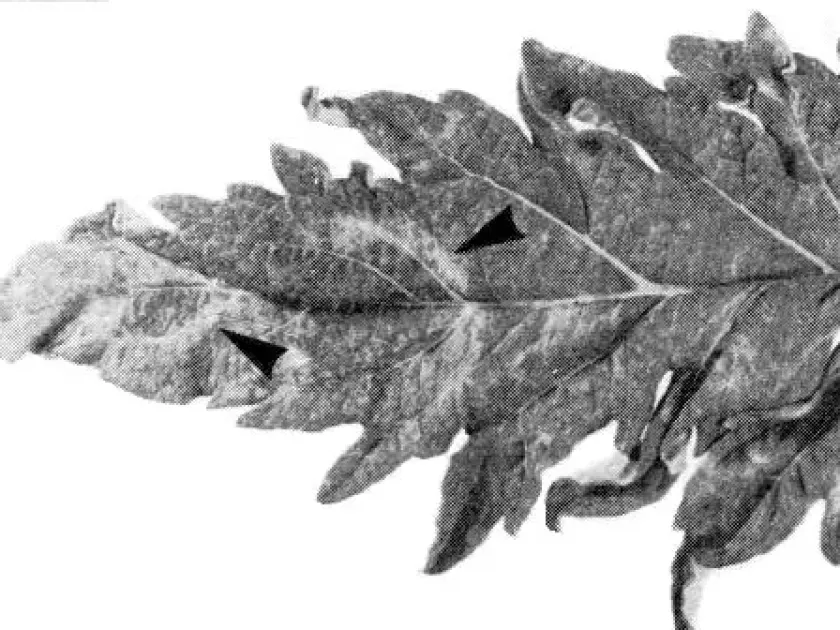
Description
Symptoms
Symptoms of the Artichoke latent virus typically include mosaic patterns, chlorosis, and mottling on the leaves. In some cases, the leaves may show distortion, crinkling, or curling of the margins.
Infected plants frequently exhibit stunted growth and reduced vigor compared to healthy counterparts. This reduction in overall biomass directly affects the plant's ability to produce high-quality yields.
When the virus affects the floral parts of the artichoke, the buds may become malformed, smaller than expected, or show abnormal coloration of the bracts. This renders the produce unsuitable for fresh market sales.
The disease often displays a seasonal cycle where symptoms appear more prominent during active growth phases. During periods of thermal stress or lack of vectors, the symptoms may recede, masking the infection.
Vascular discoloration and yellowing of leaf veins are common late-stage indicators of a systemic infection that has severely compromised the plant’s health and physiological functions.
Pathogen
The causative agent is the Artichoke latent virus, which is classified within the Macluravirus genus of the Potyviridae family. It is a systemic plant pathogen that specifically impacts the growth and development of artichoke crops.
The virus is transmitted in a non-persistent manner by various species of aphids. In addition to insect vectors, the virus can be spread mechanically through contaminated gardening tools or by handling plants during cultivation and harvest.
The pathogen is known for its ability to persist in the host tissue for a long duration, often remaining dormant or asymptomatic during unfavorable periods. This makes latent infection a significant challenge for monitoring and quarantine efforts.
Genetic variability among different virus isolates complicates the development of resistant artichoke varieties. Ongoing molecular research is vital for identifying specific strains and improving diagnostic accuracy for growers.
The virus has a narrow host range primarily focused on Cynara species, but its ability to survive in wild relatives of the artichoke makes complete eradication from a farming region extremely difficult.
Why it matters
The primary economic impact of this virus is a substantial loss in yield. The reduction in the number and size of artichoke heads directly lowers the income potential of the plantation.
Viral infection often increases the susceptibility of the crop to secondary pests and environmental stressors, such as extreme cold or drought, leading to premature plant death and thinning of the field.
There is a significant loss of aesthetic and market quality. Since artichokes are valued for their appearance, buds showing any form of viral damage are generally rejected by wholesalers and consumers.
Continued cultivation on an infested site leads to a cumulative increase in the viral load. This prevents successful long-term production unless strict site sanitation or crop rotation is practiced.
Management costs are greatly increased due to the need for frequent pesticide applications to control vector populations, alongside the labor required to rogue and destroy diseased plants.
Protection
The most effective strategy for managing the virus is the use of disease-free, certified planting material. Propagation should only come from laboratories using virus-indexing techniques.
Effective aphid control is essential to prevent the spread of the virus within the field. Growers should implement integrated pest management (IPM) practices to monitor and suppress vector populations throughout the season.
Strict roguing protocols are necessary; any plant displaying suspicious symptoms must be removed and destroyed immediately to eliminate the source of inoculum for neighboring plants.
Sanitation of agricultural tools is critical to prevent mechanical transmission. Dipping blades in a disinfectant solution (such as a 10% bleach solution or 70% alcohol) between plants is a recommended practice.
Maintain spatial isolation between new plantings and older, potentially infected areas. Additionally, keeping field margins clear of wild weeds that might harbor the virus or its vectors is a standard protective measure.
Discussion
No discussions yet — be the first.