
Leocarpus
Leocarpus
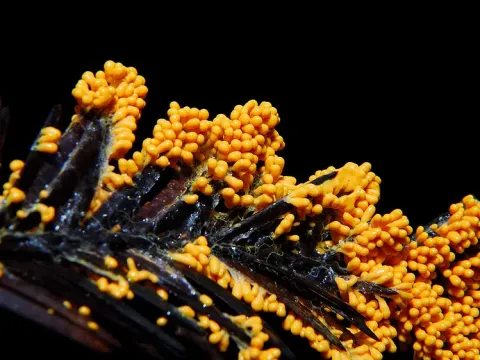
Leocarpus (specifically Leocarpus fragilis) is a genus of slime molds belonging to the class Myxomycetes. These organisms are fascinating biological entities that exhibit both animal-like and fungal-like characteristics.
What the section contains
Leocarpus
In their vegetative stage, they exist as a plasmodium, a mobile mass of protoplasm that crawls over substrates in search of bacteria and organic particles to feed upon.
When environmental conditions change, often becoming drier or after the consumption of available nutrients, the plasmodium concentrates and forms spore-bearing bodies called sporangia.
These sporangia are what gardeners observe on plant stems and leaves. They are structurally complex, often appearing in clusters and exhibiting a distinct wax-like finish.
Leocarpus is not a direct plant parasite, meaning it does not derive nutrients from living plant tissues, yet its opportunistic presence can harm plant health.
The primary symptom is the appearance of small, clustered, shiny, yellow-brown to dark chocolate-colored sporangia on the lower parts of stems and leaves.
Plants affected by a thick covering of Leocarpus often show signs of chlorosis or stunted growth because the organism obstructs their stomata and blocks sunlight.
Initially, one might notice a translucent or slimy film on the soil surface or the base of the plant, which gradually transforms into the firm, hardened sporangia.
If the infection is heavy, the weight of the slime mold colonies can cause small or fragile stems to bend, creating further stress for the plant.
Unlike true fungi, the growth is superficial and can usually be wiped off, although the presence of the organism confirms an underlying issue with moisture management.
Leocarpus thrives in high-moisture environments. Persistent rainfall, heavy dew, or over-irrigation are primary drivers for the rapid development of this slime mold.
Temperatures ranging from 15 to 22 degrees Celsius (59–72°F) are considered ideal for the transition from the plasmodial stage to the production of spores.
The presence of decomposing organic matter in the soil provides the necessary nutrition for the plasmodium to grow before it climbs onto living plant material.
Poor aeration and high humidity within dense foliage create a microclimate that prevents evaporation and encourages the establishment of Leocarpus colonies.
Insufficient sunlight, especially at the base of the plant, maintains the damp conditions that these organisms require to persist and complete their lifecycle.
The main harm caused by Leocarpus is physical interference. By coating the surface of leaves and stems, it prevents the plant from performing photosynthesis efficiently.
The physical barrier also inhibits gas exchange, potentially leading to the death of tissues beneath the slime mold due to lack of oxygen and carbon dioxide.
The moist environment created by the plasmodium often attracts secondary bacterial infections, which can invade the plant tissues and lead to soft rot.
For ornamental crops, the presence of the unsightly sporangia reduces the market value and aesthetic appeal of the plants, necessitating costly cleaning.
Young seedlings are particularly vulnerable; even a light infestation can weaken them, making them susceptible to more aggressive soil-borne fungal pathogens.
The most effective strategy to manage Leocarpus is to reduce moisture levels. Improve drainage in the garden and avoid overhead irrigation that keeps leaves wet.
Pruning and proper spacing are crucial to ensure good air circulation, which helps dry out the foliage and the soil surface rapidly after watering or rain.
Remove decaying organic matter from the base of the plants, as this is the primary reservoir for the slime mold's vegetative stage.
Mechanical removal is a simple and effective measure. When spotted, use a clean cloth or a gentle brush to wipe off the sporangia before they release their spores.
Mulching with coarse materials can act as a physical barrier, preventing the plasmodium from climbing from the moist soil onto the stems of the plants.