
Leotiales
Leotiales
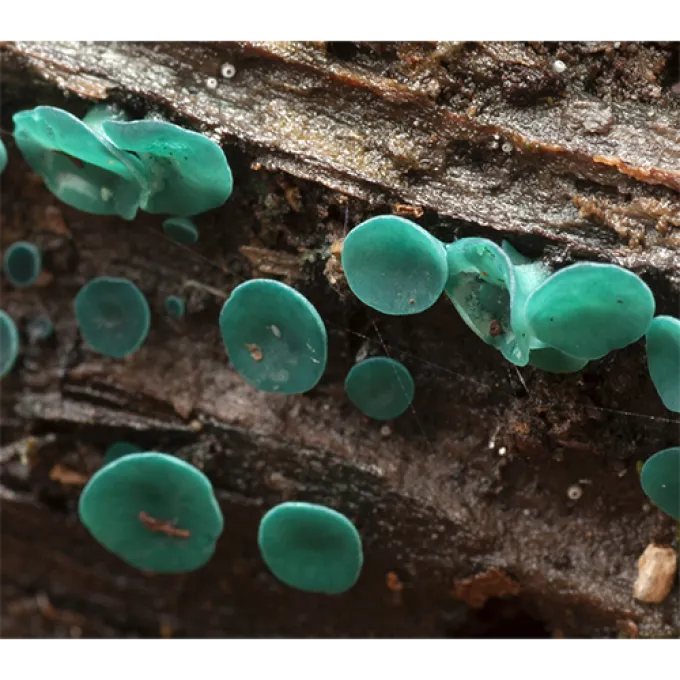
Description
Symptoms
The primary symptom of a Leotiales infection is the appearance of distinct lesions on leaves, stems, or fruits. These spots often start as small discolored areas that gradually expand.
As the disease progresses, the infected tissue becomes chlorotic and then necrotic. In severe cases, the lesions merge, causing significant wilting and collapse of the plant foliage.
High humidity levels stimulate the formation of mycelial growth and fruit bodies (apothecia) on the surface of the affected areas, which is a definitive sign of active infection.
In woody plants, the pathogen can cause cankers, where the bark becomes sunken and eventually dies, potentially girdling stems and causing the death of branches above the infection point.
- Dark necrotic spots on foliage
- Sunken stem cankers and lesions
- Wilting of stems and drooping leaves
- Rapid softening and rotting of fruits
Pathogen
Leotiales is an order of fungi belonging to the Ascomycota class. While many are saprotrophs, some species act as significant plant pathogens, causing lesions and tissue decay in various crops.
The characteristic feature of this group is the production of cup-shaped or disk-shaped apothecia. These reproductive structures facilitate the release and dispersal of spores through environmental vectors.
The infection process involves the colonization of plant tissues by mycelium, which often penetrates through natural openings like stomata or physical injuries on the epidermis.
Once inside the host, these fungi secrete cellulolytic and pectinolytic enzymes. These enzymes break down the structural components of plant cell walls, leading to soft rot and tissue necrosis.
Many pathogens within this order possess the ability to survive in the soil for several years by forming sclerotia or dormant mycelium, ensuring their presence despite adverse conditions.
Conditions for development
Leotiales fungi thrive in environments with high humidity and moderate temperatures. Constant moisture on leaf surfaces is essential for spore germination and successful penetration.
The ideal temperature for the spread and development of these pathogens generally ranges between 15°C and 22°C. These conditions are commonly found during rainy, overcast spring or autumn seasons.
Poor airflow, often caused by high planting density or lack of pruning, creates a stagnant microclimate that traps moisture and facilitates the rapid spread of the fungus.
Stressed plants, whether from nutrient imbalances, drought, or prior pest damage, are significantly more susceptible to successful colonization by Leotiales pathogens.
Wet soil conditions, coupled with moderate temperatures, can stimulate the activation of soil-borne inoculum, leading to early season infection of emerging crops.
Why it matters
The damage caused by Leotiales is primarily expressed as a reduction in the plant's photosynthetic capacity. When the leaf surface is damaged, energy production for fruit and root development drops significantly.
Direct economic losses occur when the pathogen attacks fruits or edible roots, rendering them unmarketable due to decay, mold development, or unappealing appearance.
In nursery and orchard settings, these fungi can kill young shoots or damage the vascular system of branches, leading to stunted growth or the eventual death of the entire plant.
Quality reduction is a major issue, as secondary infections by opportunistic bacteria often follow the initial fungal attack, leading to complete rot of the harvested produce.
The cost of implementing intensive control measures, including multiple fungicide applications and the need for specialized equipment, adds to the total economic impact of these diseases.
Protection
Crop rotation is the most effective cultural practice to manage Leotiales populations in the soil. Avoiding host-specific crops for several years helps deplete the pathogen's resting structures.
Sanitation is critical; removing and destroying infected plant debris reduces the primary inoculum level significantly. Tillage can help bury contaminated remains, promoting their decomposition.
Optimizing plant spacing and pruning practices improves airflow through the canopy, reducing the leaf wetness duration necessary for fungal development.
Chemical management involves the use of protective and systemic fungicides. Applications should be timed based on environmental conditions and historical disease incidence in the field.
Integrating resistant varieties into the cropping system is the best long-term strategy for minimizing the dependence on chemical inputs and maintaining stable yields.
Discussion
No discussions yet — be the first.