
Leptoxyphium axillatum
Leptoxyphium axillatum
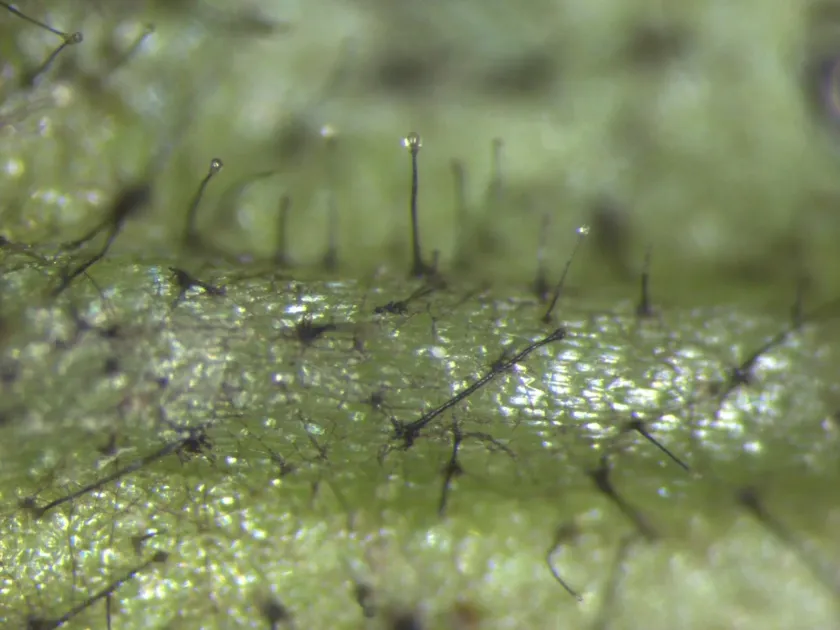
Description
Symptoms
The most characteristic sign of the infection is the appearance of a black, powdery or velvet-like coating covering leaves, stems, and fruits.
This fungal growth can be wiped off with a cloth, but the surface underneath often shows signs of chlorosis or weakened pigment due to blocked sunlight.
The mold is frequently concentrated along the main veins of the leaves, where the sugary "honeydew" excretions from insects tend to accumulate most heavily.
Affected leaves may curl or dry out prematurely due to the stress caused by the lack of gas exchange and reduced photosynthetic activity.
Heavy infestations can lead to entire branches turning black, giving the plant a scorched or withered appearance that drastically reduces its aesthetic value.
Pathogen
Leptoxyphium axillatum is a type of microscopic fungus categorized as a sooty mold. It is an epiphytic fungus that colonizes the surface of plant organs rather than invading the internal tissues directly.
The pathogen belongs to the Ascomycota division and thrives in environments where sugary secretions from insects are present on the plant surface.
The mycelium of the fungus is typically dark, ranging from brown to black, which creates a distinct soot-like layer on the affected surfaces of the host plant.
It acts as an indicator species; its presence often signals a significant underlying infestation of sap-sucking insects like aphids, scales, or whiteflies.
The fungus reproduces through spores, which are easily dispersed by wind and rain, allowing it to spread rapidly across large areas within a garden or a greenhouse environment.
Conditions for development
The development of Leptoxyphium axillatum is intrinsically linked to the presence of honeydew secreted by insects during their feeding process.
High humidity and poor air circulation are critical environmental factors that promote the growth and rapid colonization of the fungal mycelium.
Moderate temperatures provide the ideal window for the fungus to mature, allowing it to persist throughout the growing season whenever moisture is available.
Plants located in sheltered, unventilated areas are particularly susceptible to this disease because the lack of airflow prevents foliage from drying out.
Shaded portions of the plant are more likely to be colonized, as the lower light intensity combined with high humidity creates an optimal microclimate for spore germination.
Why it matters
The primary harm is the inhibition of photosynthesis, as the black layer acts as a physical barrier preventing light from reaching the leaf tissues.
This leads to significant physiological stress, stunting the plant's growth and reducing the overall vigor required for fruit development and flowering.
Marketability is severely impacted; fruits or ornamental plants covered in soot are aesthetically damaged and usually rejected by consumers.
The reduction in transpiration and gas exchange weakens the plant, making it more susceptible to secondary stressors, including drought and opportunistic bacterial infections.
In extreme cases, continuous blockage of stomata can result in leaf drop and the eventual death of the most heavily colonized parts of the plant.
Protection
Management focuses on addressing the root cause: the insect population producing the sugary honeydew that the fungus feeds upon.
- Apply systemic insecticides to eliminate aphids, scale insects, and whiteflies.
- Prune and thin foliage to improve airflow and increase light penetration.
- Use water sprays to wash away the honeydew and fungal buildup from the leaves.
- Apply copper-based fungicides to inhibit surface fungal activity when necessary.
Maintaining a clean growing environment and monitoring for early signs of pests is the most effective long-term strategy for preventing sooty mold outbreaks.
Discussion
No discussions yet — be the first.