
Leotiomycetes
Leotiomycetes
Description
Symptoms
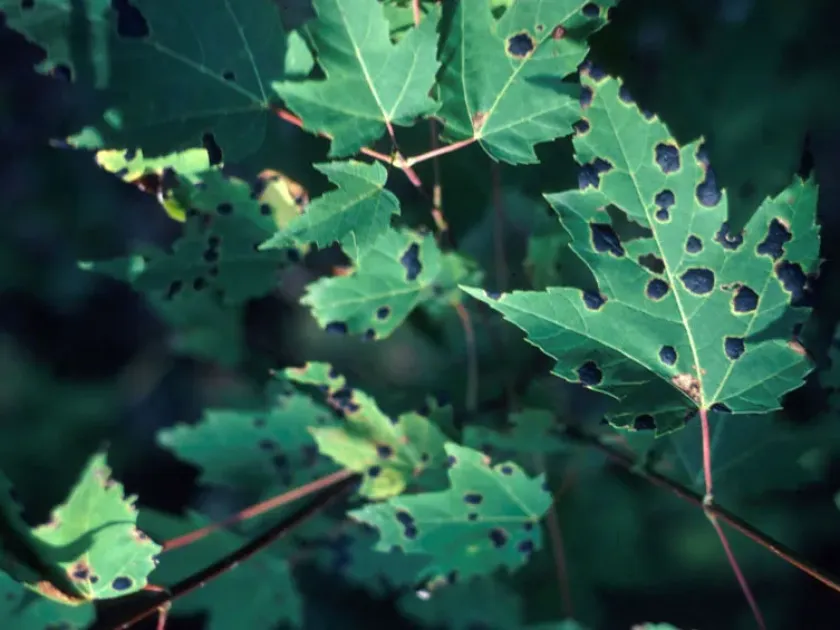
Initial symptoms of infection often manifest as chlorotic spots on leaf surfaces, which eventually develop into necrotic tissue. In high humidity, these affected areas frequently become covered in a white or grey fungal mat.
Stem infections typically cause tissue softening, discoloration, or the appearance of sunken lesions. Under humid conditions, a thick, fluffy mycelial growth may become visible on the damaged organs of the plant.
A key diagnostic feature for many Leotiomycetes is the presence of sclerotia — dark, firm bodies of various shapes. These structures can often be found on the stem surface or within the hollow stems of infected plants.
When fruits or berries are infected, they undergo rapid decay accompanied by loss of turgor and an unpleasant odor. If good agricultural practices are not followed, the disease can spread rapidly across entire fields.
Infected plants often appear to wilt, but unlike vascular diseases, close inspection of the crown or root collar reveals necrotic lesions often accompanied by visible fungal growth.
Pathogen
Leotiomycetes constitute a large and significant class of Ascomycete fungi, encompassing numerous dangerous plant pathogens. Their primary mode of existence is parasitism, where the fungus invades plant tissues to extract nutrients for growth and reproduction.
The pathogens within this group are characterized by the development of specialized fruiting bodies known as apothecia, from which spores are discharged. These spores act as the primary source of infection for agricultural crops at the onset of the growing season.
These fungi are capable of attacking a wide range of plants, including cereals, fruit trees, berry bushes, and various vegetables. Well-known representatives include pathogens responsible for Sclerotinia diseases, powdery mildew, and various types of rots.
The fungal mycelium actively spreads within the intercellular space, degrading cell walls through the secretion of various enzymes. This process disrupts the plant's metabolic functions, leading to significant physiological decline.
A biological hallmark of many Leotiomycetes is their ability to form sclerotia — dense, hardened structures that allow the pathogen to survive harsh conditions in the soil or on plant debris for several years.
Conditions for development
The development of Leotiomycetes is strongly influenced by environmental hydro-thermal conditions. Optimal factors for mass sporulation and infection include high air humidity, frequent rainfall, and moderate temperatures.
Dense crop stands create a microclimate with poor ventilation, which is a critical factor for the rapid dispersal of spores and disease establishment. Under these conditions, fungal infections can spread across vast areas very quickly.
Soil management is also crucial; excessive nitrogen fertilization can result in succulent plant tissues that are more susceptible to fungal penetration. Maintaining balanced nutrient levels is essential for disease suppression.
Large amounts of crop residue left in the field provide an ideal reservoir for the pathogen. Dormant fungal stages, such as sclerotia, are easily activated when spring temperatures and moisture levels become favorable.
Plant stress, caused by factors like drought, waterlogging, or mechanical damage during cultivation, significantly lowers natural immunity and increases the risk of infection by Leotiomycetes.
Why it matters
The impact of Leotiomycetes on crop production is severe, often resulting in substantial yield losses. In cases of epiphytotic development, these fungi can destroy 50–80% of the harvest, rendering the produce unmarketable.
Beyond quantity, product quality is significantly compromised. Infected produce often lacks shelf life and may accumulate mycotoxins, posing serious risks to both human and animal health.
Infected plants may die before harvest maturity, leading to poor crop stands and the costly necessity of replanting. This creates a significant economic burden for farming operations.
In orchards and vineyards, Leotiomycetes can attack perennial plants, leading to branch dieback or total tree death. Such cases require expensive removal and restoration efforts.
The systemic effect of these pathogens on plant metabolism suppresses overall growth and development, negatively impacting the vitality of the crop throughout the entire season.
Protection
Comprehensive disease management involves cultural practices such as crop rotation. It is essential to avoid planting susceptible crops in the same field more frequently than every 3–4 years to break the infection cycle.
Deep plowing can bury crop residues, preventing the germination of sclerotia and the release of spores to the soil surface. Rigorous post-harvest sanitation and removal of debris are highly effective preventive measures.
Chemical control relies on the application of modern systemic and contact fungicides. Treatments should be timed to match the early onset of symptoms or periods known to be conducive to disease development.
Utilizing resistant or tolerant cultivars significantly reduces the reliance on pesticides. Biological control agents, including antagonist bacteria, also show promise as part of an integrated pest management (IPM) program.
- Optimizing planting density to improve airflow.
- Balanced application of fertilizers to maintain plant health.
- Treating seeds with high-quality fungicides.
- Prompt removal and destruction of initial infection foci.
- Regular monitoring of the phytosanitary status of fields.
Discussion
No discussions yet — be the first.