
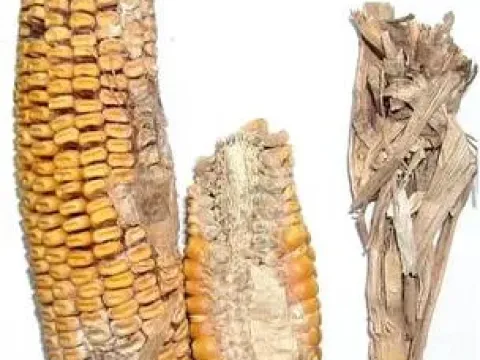
Khuskia
Khuskia
The disease is caused by the fungus Khuskia oryzae (anamorph Nigrospora oryzae). This pathogen belongs to the Ascomycota phylum and is a common saprotroph that can act as an opportunistic parasite under favorable conditions.
What the section contains
Khuskia
The fungus persists in the soil on crop residues, overwintering as mycelium or spores. Its biological flexibility allows it to remain viable across various soil types and environmental conditions.
The life cycle of the pathogen involves the production of numerous conidia, which are easily disseminated by wind, rain splashes, and insects. This rapid spread facilitates widespread infection in agricultural fields.
Research indicates that Khuskia oryzae primarily targets tissues that are weakened or matured. It is particularly active during the late stages of crop development, focusing on reproductive organs like ears and panicles.
The pathogen produces extracellular enzymes that degrade plant cell walls, allowing the fungus to colonize the host tissues efficiently. This process leads to the characteristic structural decay of the affected plant parts.
The most prominent symptom of Khuskia is the appearance of a black, powdery mass of spores on the surface of plant organs. This fungal growth is often found on corn cobs, grain panicles, and stalks.
Affected seeds and grains appear shriveled, deformed, and lack their natural luster. When inspecting an infected corn cob, one may observe black mycelial mats growing between the rows of kernels.
On leaves, the disease can manifest as necrotic spots that darken over time. These lesions often expand, leading to the premature death of leaf tissues and a general appearance of early senescence.
In severe cases, the structural integrity of the plant is compromised, causing the stems or stalks to become brittle. The presence of the black fungal coating is the definitive diagnostic feature in the field.
- Black spore masses on reproductive parts.
- Shriveled and deformed grain.
- Dark necrotic patches on foliage.
- Premature decay of host tissues.
The development of the disease is heavily favored by high relative humidity and moderate to warm temperatures. Frequent rainfall during the grain-filling stage significantly accelerates the spread of spores.
Mechanical damage caused by insects or hail serves as a primary entry point for the pathogen. Once the physical barrier of the plant is breached, the fungus colonizes the internal tissues rapidly.
Poor agricultural practices, such as excessive plant density, create a humid microclimate within the crop canopy. This lack of proper air circulation prevents the foliage from drying out, which is ideal for the fungus.
Nutrient stress and environmental instability weaken the host plant's natural defenses. Healthy, well-nourished plants are generally more capable of resisting initial colonization by Khuskia oryzae.
In storage facilities, moisture content above 14% is the critical trigger for the disease. If the grain is not dried properly before storage, the fungus can proliferate rapidly in the bulk.
The primary damage caused by Khuskia is a significant reduction in both yield and grain quality. Infected kernels are often non-viable, rendering them unsuitable for use as seeds.
The disease causes a reduction in the weight and nutritional value of the grain. This results in direct economic losses for farmers due to decreased marketability and lower output per hectare.
There is a potential risk of mycotoxin production by the fungus. Consuming grain contaminated with these metabolites can be harmful to livestock, posing health risks in agricultural production.
Processing quality is severely impacted; flour milled from infected grain typically exhibits poor baking characteristics, including off-flavors and undesirable texture.
The financial burden is further exacerbated by the need for additional cleaning, sorting, and chemical treatment of the grain, which increases the total cost of production significantly.
Crop rotation is the first line of defense against Khuskia. By avoiding the cultivation of susceptible crops in the same field for consecutive years, growers can reduce the soil-borne inoculum.
Thorough incorporation of crop residues into the soil is essential, as these residues serve as the primary reservoir for the fungus. Proper tillage helps speed up the decomposition of organic matter.
The use of high-quality, fungicide-treated seeds helps protect seedlings during the most vulnerable stage of their growth. This pre-planting treatment is a standard and effective preventive measure.
Effective pest management is crucial, as insects frequently transport fungal spores. By keeping insect populations under control, farmers can minimize the mechanical wounds that lead to infection.
During post-harvest storage, maintaining dry conditions and ensuring proper ventilation are critical. Regular monitoring for moisture and temperature spikes prevents the development of fungal outbreaks in the warehouse.