
Larch bolete
Suillus flavus
Description
Pathogen
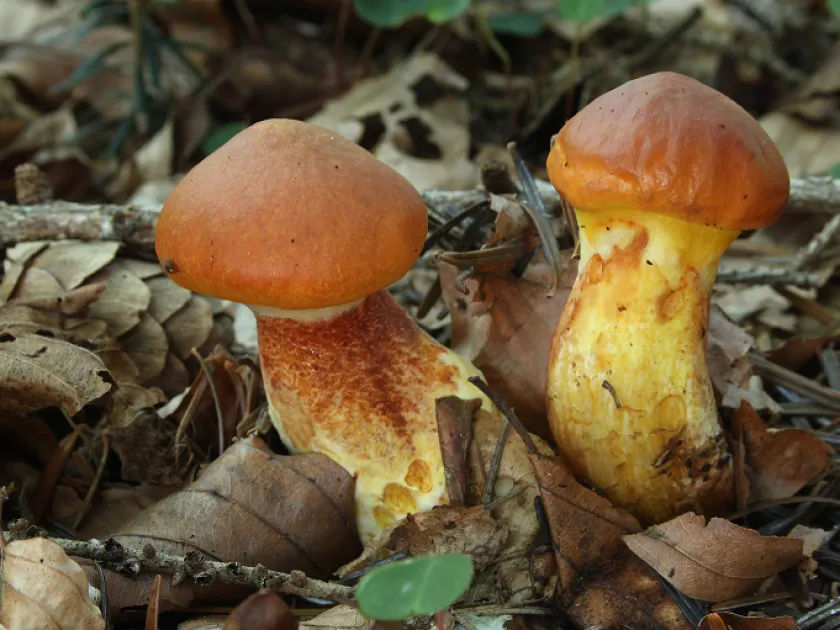
The Larch bolete (scientific name Suillus flavus or Suillus grevillei) is a mushroom belonging to the Suillaceae family, which is not a plant pathogen.
It is classified as a mycorrhizal fungus, meaning it establishes a mutually beneficial relationship with the root systems of larch trees (Larix).
The fungal mycelium forms a sheath around the fine roots of the host tree, facilitating an efficient exchange of nutrients and water.
Rather than causing a disease, this fungus provides significant biological support to the host plant, aiding in its growth and resilience.
It is an essential component of forest biodiversity and a classic example of stable plant-fungal symbiosis in forest environments.
Conditions for development
The growth and fruit body development of the Larch bolete are strictly dependent on the presence of larch trees.
Moist, well-drained soils are required for the mycelium to establish itself effectively within the root zone.
Optimal fruiting typically occurs during warm, humid periods from late summer through autumn when temperatures remain stable.
Forest stands with sufficient leaf litter provide the necessary environment for the mushroom to thrive and reproduce.
A balanced soil pH and lack of toxic chemical runoff are crucial factors that favor the healthy development of this symbiotic fungus.
Why it matters
The Larch bolete causes absolutely no harm to the host tree, as it does not invade or destroy plant tissue.
On the contrary, its mycorrhizal activity is known to enhance the tree's uptake of phosphorus and nitrogen, improving overall vitality.
There are no recorded instances where Suillus flavus has been identified as the cause of root decay, needle drop, or tree mortality.
In forestry practice, the presence of these mushrooms is a healthy indicator of high soil quality and successful forest establishment.
No agricultural losses are associated with this fungus, and it poses no threat to the commercial value of timber.
Protection
Control measures are unnecessary for the Larch bolete because it does not act as a pathogen or a pest.
If the appearance of mushrooms is unwanted in ornamental garden settings, they can be manually removed during the fruiting season.
The use of fungicides should be strictly avoided in areas where larch trees are planted to prevent damage to the vital mycorrhizal network.
Standard horticultural practices such as mulching and providing adequate water during drought are sufficient to maintain healthy larch growth.
Active eradication of this fungus is considered detrimental to the ecosystem and can negatively affect the development of young trees.
Discussion
No discussions yet — be the first.