
Labyrinthulomycetes
Labyrinthulomycota
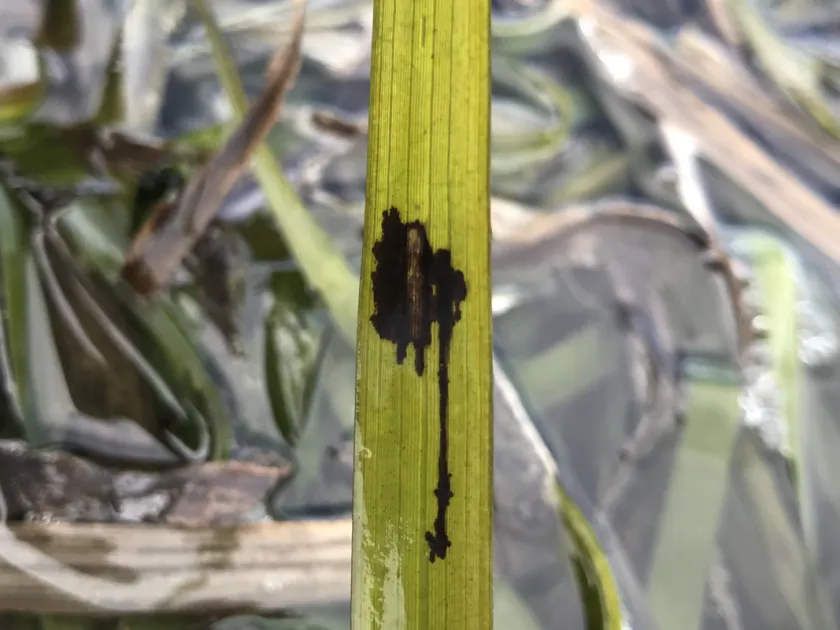
Description
Symptoms
The primary symptom of infection is the development of dark, necrotic spots on leaves and stems. These lesions often appear water-soaked initially and expand rapidly over time.
As the disease progresses, the plant tissues lose their structural integrity and turn dark brown or black. Affected areas may become soft and mushy due to the enzymatic breakdown of plant material.
Chlorosis and wilting are common systemic symptoms, as the pathogen interferes with the plant’s ability to transport water and nutrients. In severe cases, the entire plant may collapse.
Microscopic examination of the lesions often reveals the presence of labyrinthine networks of cells, which are diagnostic for this specific group of organisms. This network is what allows the pathogen to spread within the tissue.
Surface lesions may occasionally exhibit a mucous-like film, especially in highly humid conditions, which consists of masses of zoospores ready to spread to new locations.
Pathogen
Labyrinthulomycetes (Labyrinthulomycota) are a group of heterotrophic protists often referred to as slime molds, known for their unique method of movement using ectoplasmic networks. They are primarily known as marine pathogens that can affect aquatic and coastal plants.
These organisms are not true fungi; they possess a distinct biological structure consisting of a colonial system of cells connected by specialized tunnels. Through these structures, they secrete enzymes to decompose plant tissue for nutrition.
The type of disease they cause involves progressive tissue necrosis and degradation of cell walls. By invading the plant's epidermis, they create lesions that can quickly expand under favorable conditions.
While many species inhabit marine environments, some strains have been studied for their ability to affect various vegetation, posing potential risks to agricultural crops grown in coastal or waterlogged areas.
The life cycle includes a motile zoospore stage. These zoospores swim actively in water, allowing the pathogen to move effectively between hosts and colonize new, healthy plant surfaces.
Conditions for development
High humidity and the presence of standing water are the most critical factors for the development of Labyrinthulomycetes. The pathogen requires a water film to facilitate the movement of its zoospores.
Moderate temperatures generally favor the metabolic activity and colonization rate of these organisms. Fluctuations in temperature can affect the cycle, but rarely inhibit the pathogen entirely.
Poor soil drainage or excessive irrigation practices create the ideal environment for the pathogen to thrive. Waterlogged fields act as reservoirs for the zoospores, allowing them to remain active for extended periods.
High plant density and limited air circulation prevent the drying of leaf surfaces, which significantly increases the risk of infection. The lack of ventilation keeps the humidity levels conducive for disease spread.
The presence of organic debris in water sources can provide a temporary substrate for these protists, allowing them to persist in the environment even when a susceptible host is not immediately available.
Why it matters
The harm caused by Labyrinthulomycetes is primarily the rapid loss of crop biomass. By destroying the plant’s functional tissues, they significantly reduce the yield and quality of agricultural produce.
Infected plants suffer from inhibited photosynthesis and metabolic stress, making them susceptible to secondary bacterial and fungal infections that often follow the initial necrotizing phase.
The economic impact is substantial, particularly in nurseries or high-value crop systems where total loss of sections can occur within a few days if conditions remain wet and warm.
Long-term harm includes the potential for the pathogen to establish itself in the field soil or irrigation water, requiring long-term containment strategies and restrictive changes to crop rotation plans.
The destruction of root and stem tissues can lead to stunted growth or total plant death, forcing farmers to implement costly eradication or soil sterilization measures.
Protection
Improved drainage systems and precision irrigation are the most effective preventive measures. Keeping the root zone and plant surfaces relatively dry disrupts the life cycle of the zoospore.
Maintaining high standards of plant hygiene is essential. Removing infected debris and discarding diseased plants prevents the buildup of the inoculum in the field.
Using certified, disease-free planting material minimizes the risk of introducing the pathogen into a new site. Quarantining new plants before introduction can also be a valuable strategy.
Sanitizing tools and machinery with appropriate disinfectants is crucial, as the motile zoospores can easily be transported between fields on equipment contaminated with wet soil or water.
While chemical control options are limited, broad-spectrum fungicides used preventively can provide some protection during high-risk periods, especially in managed greenhouse environments.
Discussion
No discussions yet — be the first.