
Laboulbeniomycetes
Laboulbeniomycetes
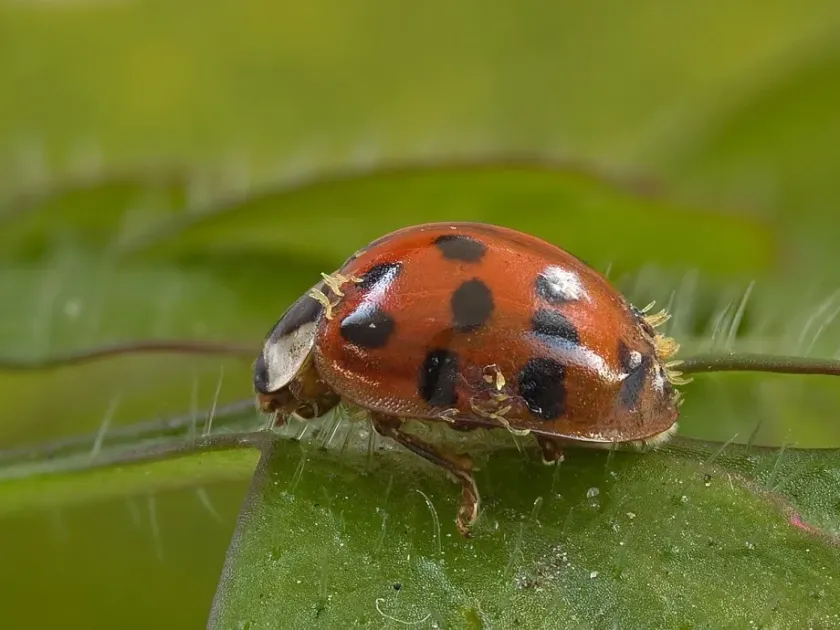
Description
Pathogen
Laboulbeniomycetes are a distinct class of fungi within the Ascomycota division. They are specialized obligate ectoparasites that exclusively colonize the external surfaces of arthropods, primarily insects.
It is vital to clarify that Laboulbeniomycetes are not plant pathogens. They do not infect crops, tissues of plants, or influence agricultural productivity. Their biology is restricted to the cuticle of insects.
The fungus develops a thallus that penetrates the insect's exoskeleton using a specialized structure called a haustorium. This allows the fungus to absorb nutrients while the host remains alive for a significant period.
These organisms exhibit high host specificity. Some species of Laboulbeniales are restricted to a single genus or even a single species of insect, demonstrating a long evolutionary relationship.
From an agricultural standpoint, these fungi are harmless to crops. They represent a specialized group of entomophilous fungi that play no part in plant disease cycles or economic damage.
Conditions for development
The transmission of Laboulbeniomycetes relies heavily on physical contact between insects. Higher population densities of the host species create the best conditions for the rapid spread of spores.
Humidity plays a significant role in the viability of the fungal spores. Environments that are consistently moist support better spore germination and survival on the insect's cuticle.
The lifecycle of the insect host dictates the potential for fungal prevalence. Often, older individuals that have engaged in more interactions with conspecifics show higher infection rates.
Different life stages of the insect might be more or less suitable for colonization. Adult insects are the most common hosts for these fungi due to their mobility and mating behavior.
Environmental factors such as temperature fluctuations and rainfall influence the overall activity of the host insects, which in turn affects the growth cycle of the fungi attached to them.
Discussion
No discussions yet — be the first.