
Kirramyces
Kirramyces
The fungus Kirramyces represents a genus of ascomycetous fungi known as significant pathogens causing foliage diseases in various woody plant species.
What the section contains
Kirramyces
The disease is classified as a leaf spot or blight, where the fungus colonizes the leaf tissue to produce its reproductive structures, known as conidiomata.
These pathogens survive in debris or on infected stems, serving as an inoculum source for the subsequent growing season when conditions become favorable.
The transmission of the disease primarily occurs through conidia, which are splashed by raindrops or transported by wind to susceptible plant tissues.
Modern taxonomic studies have reclassified many species within this genus, though the name remains in use for describing this specific type of plant blight.
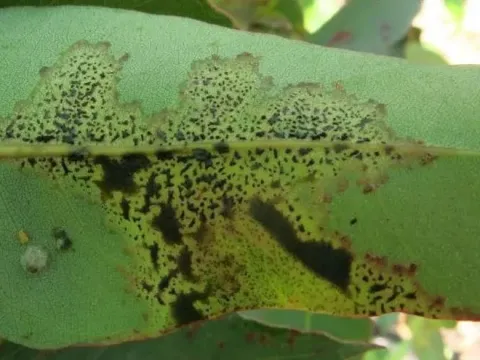
Infection initially manifests as small, chlorotic spots on leaves, which gradually expand and change color to brown, reddish, or purple depending on the host species.
As the disease progresses, small black fruiting bodies (pycnidia) become visible on the surface of the spots, serving as a distinct sign of Kirramyces.
Affected leaves often exhibit premature necrosis and fall off prematurely, resulting in visible canopy thinning and loss of photosynthetic capacity.
Young shoots may show evidence of blight or deformation, which can lead to stunted growth or dieback of the terminals in severely affected individuals.
The presence of lesions reduces the overall vigor of the plant, often leading to a jagged or tattered appearance of the remaining leaves on the branches.
High humidity and moderate temperatures are the most critical factors driving the development and spread of Kirramyces infection.
Periods of frequent rainfall or heavy dew provide the necessary moisture for spores to germinate and penetrate the host plant's leaf tissue effectively.
Poor aeration within dense stands or plantations prevents foliage from drying out, creating a perfect micro-environment for rapid fungal colonization.
Stress factors such as nutritional deficiency, drought, or poor soil conditions make plants more susceptible to initial infection and further spread of the pathogen.
The disease tends to escalate rapidly during periods of prolonged rainy weather, especially if the host plants are planted in poorly ventilated areas.
The primary damage caused by Kirramyces includes significant reduction in plant growth, biomass accumulation, and overall health of the tree or shrub.
Defoliation caused by the disease weakens the plant, making it significantly more vulnerable to secondary pests and various other opportunistic infections.
In nursery settings, this disease causes economic losses due to reduced growth rates and the unsellable quality of infected nursery stock plants.
Persistent infection over several years can lead to the mortality of weakened or highly susceptible individual plants within a plantation or forest stand.
- Reduced annual growth increments.
- Loss of ornamental or commercial value.
- Increased susceptibility to environmental stress.
- Premature leaf shed leading to plant exhaustion.
The use of preventive fungicides, particularly copper-based sprays or systemic chemicals, is highly effective in managing the disease during the growing season.
Sanitation practices such as removing and destroying fallen leaves are crucial to reduce the overwintering inoculum and slow the progression of the disease.
Improving air circulation through proper pruning of crowns and adequate spacing between plants significantly reduces the humidity conducive to fungal growth.
Ensuring optimal plant nutrition helps maintain plant vigor, allowing the host to better withstand infections and recover from minor disease impacts.
Selecting and planting resistant species or varieties remains the most effective and sustainable long-term solution for managing Kirramyces infections.