
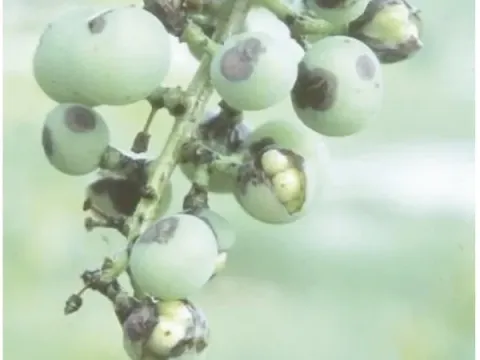
Isariopsis
Isariopsis
The disease Isariopsis is caused by fungi belonging to the genus Isariopsis (often taxonomically linked to Pseudocercospora). These are specialized fungal pathogens that primarily target the leaf tissue of various host plants.
What the section contains
Isariopsis
The fungus overwinters in the form of mycelium or conidia, persisting on crop debris, fallen leaves, or within the upper layer of the soil.
During the growing season, the infection spreads through conidia, which are effectively disseminated by wind currents, rain splashes, and insect activity.
The pathogen enters the host plant through natural openings like stomata or through various types of mechanical wounds in the epidermal tissue.
Under microscopic observation, the fungus is identified by the presence of dense tufts of conidiophores, known as coremia, which are characteristic of this genus.
The initial symptoms manifest as small spots on the foliage that gradually expand, becoming angular or irregular in shape as they grow.
Lesions typically exhibit shades of gray, brown, or dark tan, frequently surrounded by a darker margin that separates the diseased tissue from healthy cells.
In high humidity environments, a velvety, olive-colored fungal growth, consisting of massed spores, appears on the underside of the affected leaf spots.
As the infection progresses, the necrotic tissue dries out and may drop away, resulting in a characteristic "shot-hole" appearance on the leaves.
Severe infestations lead to premature yellowing, defoliation, and overall decline of the plant, significantly reducing the functional photosynthetic area.
Optimal development of Isariopsis occurs in environments with high relative humidity, typically exceeding 70-80%, combined with moderate temperatures of 20–25°C.
Frequent rainfall, heavy morning dews, and persistent foggy conditions create the perfect moisture-rich environment required for spore germination.
Dense plant canopies that restrict air movement and trap humidity in the lower strata provide an ideal breeding ground for the rapid spread of the disease.
Plants weakened by environmental stress, nutrient deficiencies, or other diseases show significantly higher susceptibility to colonization by the pathogen.
Poor ventilation within greenhouse structures or overly thick field stands accelerate the rate of infection across the entire crop area.
The primary damage results from a dramatic reduction in photosynthetic capacity, which halts plant growth and impairs vital metabolic processes.
Plants affected by Isariopsis fail to reach their full potential, resulting in lower biomass accumulation and diminished yield quality.
Fruits or grains produced by infected plants are often undersized, discolored, or of inferior quality, which leads to substantial financial losses for growers.
In nursery settings, a heavy infestation can cause premature leaf drop, which prevents young plants from hardening off properly before winter.
The disease forces growers to invest additional resources in fungicides and labor, increasing the overall cost of production per hectare.
The most effective strategy starts with strict crop rotation, which breaks the pathogen's life cycle by removing the availability of a susceptible host.
Sanitation is critical: removing and destroying infected plant materials after harvest reduces the amount of primary inoculum for the following season.
Growers should prioritize the use of resistant or tolerant cultivars and ensure that planting densities allow for adequate air circulation.
Chemical control involving fungicides, particularly those containing triazoles or strobilurins, should be applied preventatively or at the very first sight of symptoms.
- Regular weeding to remove alternative hosts.
- Improved greenhouse air circulation and ventilation.
- Balanced fertilization to improve host vigor.
- Monitoring weather patterns to time fungicide applications.