
Helleborus net necrosis virus
Helleborus net
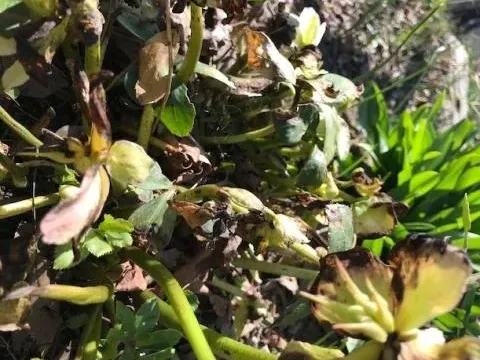
The first and most characteristic symptom of the infection is the appearance of a specific net-like pattern on the leaves of the Helleborus. Leaf tissues acquire a chlorotic hue, forming a mosaic pattern of light veins that resembles a fine web or net.
What the section contains
Helleborus net necrosis virus
Over time, brown or black necrotic spots form on the leaf blades. These may vary in shape and size, often merging together, leading to premature drying and deformation of the foliage.
The growth of the plant itself noticeably slows down, the bush looks depressed, and it loses its decorative appeal. In affected specimens, there is a significant decrease in flowering intensity or a complete absence of flower buds.
Abnormal changes can also manifest on the flower stalks and bracts. Often, the affected parts of the plant acquire a characteristic mottling, which indicates the systemic nature of the infection that has spread throughout all organs.
With prolonged progression of the disease, root necrosis and general weakening of the plant are observed. Such specimens become extremely vulnerable to other secondary infections and unfavorable weather conditions.
The causative agent of this disease is the Helleborus net necrosis virus or related mosaic viruses. This is a pathogenic agent that infects the plant's cell sap and disrupts photosynthetic processes.
The virus belongs to the group of systemic diseases, meaning it has the ability to move rapidly through the vascular system of the Helleborus. It localizes in tissues, causing structural damage and death of infected cells.
The main reservoir of infection in the garden is infected perennials. The virus is capable of persisting in rhizomes, so the vegetative propagation of diseased bushes inevitably leads to the transmission of the pathogen to the new plant.
Vectors of the infection are most often sucking insect pests, such as aphids, thrips, and leafhoppers. By feeding on the sap of sick plants, they transfer viral particles to healthy individuals, infecting entire collections.
Mechanical transmission of the virus occurs when using dirty garden tools. When pruning diseased leaves without subsequent disinfection of the shears, the pathogen easily reaches the healthy tissues of neighboring plants.
The spread of the virus occurs most actively during periods of high activity of insect vectors. Humid and warm weather promotes the reproduction of aphids, which increases the risk of rapid infection of all Hellebores in the flowerbed.
Dense plantings create ideal conditions for the circulation of the virus. Insufficient ventilation between bushes and the lack of pest control significantly accelerate the process of the infection spreading across the entire plantation.
Stress factors, such as soil waterlogging or sharp temperature drops, weaken the immunity of Hellebores. In a weakened state, plants become more susceptible to viral invasion.
Incorrect agricultural practices, including excessive nitrogen fertilization, provoke the growth of soft tissues. Such succulent tissues are more attractive to insect pests, which indirectly promotes the spread of the virus.
Seasonal vegetation cycles also affect the visibility of symptoms. Most often, net necrosis manifests during the period of active growth of young leaves in early spring, when the virus is most aggressively attacking the developing tissues.
The main danger of the disease lies in the impossibility of completely curing an affected plant. The virus integrates into the genetic machinery of the cells, so therapeutic methods are practically ineffective under field conditions.
A viral infection drains the vitality of the Helleborus, leading to its gradual demise. Without removing the diseased plant, it becomes a constant source of the pathogen for all surrounding healthy flowers.
The decrease in decorative value makes growing such varieties meaningless. Even if the plant continues to live, it loses its varietal characteristics and stops pleasing the gardener with a healthy appearance.
Economic damage is noticeable for nurseries engaged in the sale of planting material. The infection of one batch may lead to the necessity of destroying all plants to avoid the further spread of the infection.
The risk of transmitting the virus to other plant species of the Ranunculaceae family forces gardeners to limit the diversity of the flowerbed. This complicates the planning of landscape compositions and limits the collection of rare species.
The first and most important step is the radical removal of affected specimens. The infected plant should be dug up along with the soil ball and burned to exclude contact with other healthy bushes.
Regular control of insect pests is a mandatory condition for prevention. The use of systemic insecticides helps minimize the presence of aphids, thrips, and other potential vectors of the virus.
Strict adherence to tool hygiene is a critically important factor. After every pruning or division of a bush, garden tools must be thoroughly disinfected with alcohol or a bleach solution.
Purchasing only tested and healthy planting material is a guarantee of your garden's safety. Avoid buying plants from unknown sources where no phytosanitary control is conducted.
Creating optimal growing conditions strengthens the plant's natural defenses. Proper soil selection, moderate watering, and regular feeding allow Hellebores to better withstand any pathogens and stresses.