
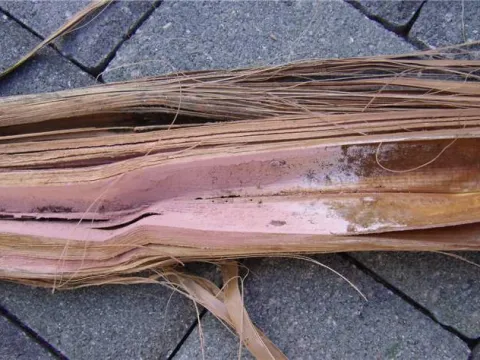
Gliocladium rot
Gliocladium
The disease is caused by fungi belonging to the Gliocladium genus, most notably Gliocladium roseum. These fungi are common in soil environments and act as both saprophytes and facultative parasites.
What the section contains
Gliocladium rot
The pathogen thrives by decomposing organic matter, but under high humidity and low plant vigor, it can infect living tissues. The mycelium penetrates the host through natural openings or mechanical wounds.
Gliocladium produces abundant conidia (spores) that are easily dispersed through irrigation water, splashing rain, contaminated tools, and air currents within greenhouse environments.
The fungus is known for its high resilience in the soil, often surviving for extended periods in organic debris. This longevity makes it a persistent threat in agricultural settings.
While some species of the genus are utilized as biological control agents against other pests, they can become detrimental to plant health under monoculture conditions or poor greenhouse hygiene.
The most distinctive sign of Gliocladium rot is the development of fluffy, localized fungal growth on the stem base or soil surface. The color of this growth typically ranges from white to pale pink or greenish tints.
Root systems infected with the fungus show signs of browning and decay. As the roots rot, the plant loses its ability to absorb water and nutrients, resulting in gradual wilting and leaf yellowing.
Stem lesions often begin as water-soaked spots near the soil line. These spots eventually expand into necrotic ulcers that weaken the stem, potentially causing the entire plant to collapse.
Fruits that come into contact with contaminated soil or infected stems develop soft, watery rot spots. These spots spread rapidly, rendering the produce unmarketable and susceptible to secondary decay.
- Fluffy mycelial growth on lower stems.
- Browning and disintegration of root systems.
- Water-soaked, necrotic lesions on plant stems.
- Stunted plant growth and premature wilting.
High relative humidity (exceeding 80%) is the primary driver for the development of Gliocladium rot. It creates a film of water on plant surfaces that facilitates spore germination.
Moderate temperatures, generally between 18 and 24 degrees Celsius, provide the ideal environment for the fungus to multiply and aggressively colonize plant tissues.
Poor ventilation in greenhouse structures leads to stagnant air and high humidity, which significantly increases the risk of infection. Air circulation is essential for suppressing the disease.
An abundance of undecomposed organic matter in the soil serves as a reservoir for the pathogen. Soils with low microbial diversity are particularly susceptible to rapid infestation by this fungus.
Mechanical injuries caused by pruning, harvesting, or pest attacks provide entry points for the pathogen to establish itself within healthy plants.
Gliocladium rot poses a significant threat to young seedlings, often leading to damping-off. This causes massive losses in nursery settings before the plants can reach maturity.
In mature crops, the disease reduces overall vitality. The destruction of root systems prevents nutrient uptake, leading to decreased yields, poor quality, and stunted development of the harvest.
The pathogen spreads rapidly within enclosed spaces. An untreated outbreak can decimate an entire crop production cycle if not managed promptly through strict quarantine or removal measures.
Produce affected by Gliocladium has a very short shelf life. Even if the rot is minor at harvest, it quickly spreads during transport and storage, resulting in significant post-harvest losses.
The financial impact includes not only the direct loss of yield but also the cost of fungicide applications and the intensive labor required to sanitize contaminated facilities.
Effective management begins with proper sanitation practices. Clearing away crop residues after harvest and maintaining good greenhouse hygiene are essential to reduce the inoculum load.
Environmental control is the most effective preventative measure. Implementing proper ventilation and drip irrigation reduces canopy moisture and prevents the humidity levels that favor fungal growth.
Biological control agents, specifically those containing Trichoderma species, are effective in outcompeting Gliocladium in the rhizosphere and suppressing its growth.
Chemical control involves the use of registered fungicides. These should be applied at the first signs of the disease to limit its spread; alternating modes of action is recommended to prevent resistance.
Strengthening the plant's natural defenses through balanced fertilization and stress-reduction techniques helps the crop withstand potential infection and limits the impact of the pathogen.