
Grapevine asteroid mosaic
Grapevine asteroid
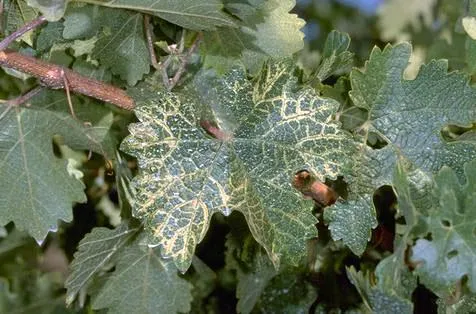
Description
Symptoms
The primary symptom of Grapevine asteroid mosaic is the formation of distinctive star-shaped or asteroid-like spots on the foliage. These spots typically have sharp, well-defined margins and are often surrounded by a light-colored halo along the leaf veins.
Affected leaves may become deformed, showing signs of asymmetry or wrinkling. These symptoms are most pronounced during the summer season, making visual field identification a reliable method for detecting infected vines.
Growth reduction is common, characterized by shortened internodes that give the vine a stunted or shrub-like appearance. In severe cases, a mottled or mosaic pattern persists on the leaves until the end of the season.
Vine hardening is often compromised, leading to brittle canes that are less resistant to winter frost. Productivity declines as the virus disrupts normal physiological processes, leading to reduced photosynthesis.
It is important to note that symptoms can often be localized to specific branches or parts of the vine, helping to differentiate this virus from general nutritional deficiencies or fungal outbreaks.
Pathogen
The causal agent of this disease is the Grapevine asteroid mosaic virus (GAMV). It is a viral pathogen that spreads systemically throughout the host plant, infecting roots, shoots, and conductive tissues.
Once introduced into the vine, the virus travels through the phloem, effectively colonizing the entire plant. The presence of viral particles in the plant sap ensures that the infected vine remains a long-term reservoir for the pathogen.
The virus is primarily transmitted through the use of infected propagation material, such as cuttings or rootstocks. This makes the selection of virus-free nursery stock the most critical step in disease prevention.
Unlike some other viticultural viruses, transmission via insect vectors is less prominent, shifting the focus of disease management squarely onto human-mediated transmission during vineyard operations.
Molecular research confirms the stability of the virus within grapevine tissues, which underscores the high risk of spreading the pathogen through standard grafting and pruning procedures.
Conditions for development
The primary factor for disease development is the use of non-certified, virus-infected planting material when establishing a new vineyard. The incubation period can be long, often masking the presence of the virus for years.
Spread within the vineyard occurs during routine tasks such as pruning, leaf pulling, and grafting. If tools are not sterilized between vines, the sap-transmitted virus can easily move from a diseased plant to healthy ones.
Environmental conditions that favor rapid vegetative growth, such as moist and warm spring weather, often lead to the most visible manifestation of symptoms on new leaf tissue.
Failure to adhere to strict phytosanitary standards in nurseries allows the virus to persist and replicate across generations of nursery stock, leading to widespread infection when this material is sold.
The season of active sap flow is the most dangerous time for accidental transmission. Pruning during this period significantly increases the risk of contamination if tools have been used on previously infected vines.
Why it matters
The main impact of Grapevine asteroid mosaic is the significant reduction in vine productivity and vigor. Infected plants struggle to maintain the physiological balance required for high-quality yields.
Sugar accumulation in the berries is significantly impaired, which directly affects wine quality and grape value. Changes in juice acidity levels further complicate the fermentation process for winemakers.
Chronic infection results in the gradual decline of the vineyard, reducing the lifespan of the vines and forcing premature vineyard removal, which carries a massive economic cost for the grower.
Infected vines exhibit reduced tolerance to environmental stress, including drought, nutrient shortages, and extreme cold. This makes the vineyard increasingly vulnerable to secondary pathogens and pests.
The nursery industry faces the greatest financial burden. The discovery of the virus in a mother block requires the immediate destruction of entire stocks, leading to substantial economic losses for the nursery and its clients.
Protection
Preventative measures are the only effective means of managing this disease. Sourcing and planting certified, virus-tested nursery stock is the foundation of a healthy, productive vineyard.
Strict tool hygiene is essential. Pruning shears, knives, and other implements used for vegetative work must be disinfected with alcohol or sodium hypochlorite solutions between vines to prevent cross-contamination.
- Implement regular vineyard inspections to monitor for disease symptoms.
- Remove and destroy infected vines immediately upon confirmation of symptoms.
- Ensure rigorous testing and quarantine procedures in all vine nurseries.
- Prioritize the cultivation of resistant or tolerant varieties in endemic regions.
There are currently no chemical treatments or curative fungicides that can eradicate the virus once it has infected a plant. Chemical management is focused solely on controlling potential vectors if they are present.
Successful management relies on vigilance and strict phytosanitary discipline. Early detection and the rapid removal of identified infection sources are vital to keeping the virus from spreading throughout the vineyard.
Discussion
No discussions yet — be the first.