
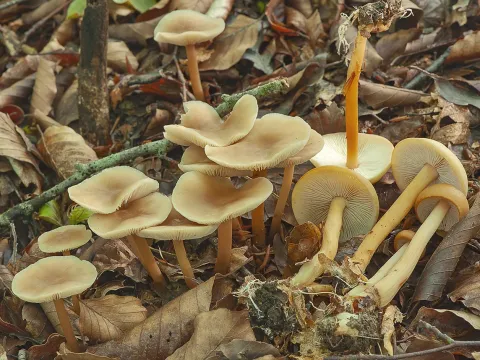
Tephrocybe putida
Tephrocybe putida
Tephrocybe putida is a saprotrophic fungus belonging to the Lyophyllaceae family. In agronomic terms, it is recognized as a soil-dwelling organism that primarily thrives on decomposing organic matter, playing a specific role in the mineralization process within the rhizosphere.
What the section contains
Tephrocybe putida
The pathogen is characterized by its distinct, pungent odor, often described as smelling of rotten meat or sulfur. This biological trait serves as a diagnostic feature, allowing for identification in fields where organic matter turnover is slow or stalled due to environmental factors.
While Tephrocybe putida is not a primary parasite of crops, its colonization of the root zone can be symptomatic of poor soil drainage and stagnant decomposition. In high concentrations, the mycelium can compete with root systems for soil resources and oxygen.
Morphologically, the fungus produces small to medium-sized fruit bodies with greyish-brown caps and fragile stems. These structures typically emerge in clusters, indicating a high presence of organic substrates within the immediate soil layer.
From a phytopathological perspective, this fungus serves as an bio-indicator of imbalances in soil aeration and moisture management. Monitoring its presence helps agronomists evaluate the efficacy of crop residue management strategies.
The development of Tephrocybe putida is heavily reliant on high soil moisture levels. Periods of prolonged rainfall or flooding create the necessary anaerobic conditions in the topsoil that favor the rapid growth of this species.
A significant accumulation of crop residues left on the soil surface acts as a primary fuel source for the fungus. Without proper tillage to bury this organic debris, the surface layers remain susceptible to mass colonization.
Compacted soils with poor air circulation are particularly prone to fungal growth. The lack of oxygen inhibits beneficial microbial competition, allowing saprotrophic fungi to dominate the soil environment undisturbed.
Environmental factors such as cool temperatures and high relative humidity accelerate the spore germination and spread of the fungus. Spores are easily dispersed via wind currents or splashing water during rainy seasons.
Agricultural mismanagement, specifically the omission of regular deep cultivation, facilitates the maintenance of the fungus in the soil seed bank, ensuring its persistence across consecutive growing seasons.
The primary control strategy involves the optimization of soil drainage and aeration. Implementing effective drainage systems and regular inter-row cultivation helps reduce excessive moisture, making the environment less suitable for fungal growth.
Proper residue management is crucial for suppressing Tephrocybe putida. Deep plowing or incorporating crop debris into the soil ensures faster decomposition by beneficial soil microorganisms, depriving the saprotroph of its surface food supply.
Applying biological control agents, such as beneficial Trichoderma species, promotes soil health and establishes a competitive environment that naturally inhibits the expansion of unwanted fungal colonies.
Maintaining an appropriate soil pH is another essential preventive measure. Adjusting acidity through liming can create chemical conditions that hinder the optimal growth rate of this specific fungal species, keeping it below economic impact levels.
Adherence to diverse crop rotation cycles prevents the continuous accumulation of specific substrate types in the field. This biological disruption helps break the life cycle of soil-borne fungi, ensuring long-term field vitality.