
Tephrocybe tylicolor
Tephrocybe tylicolor
Description
Symptoms
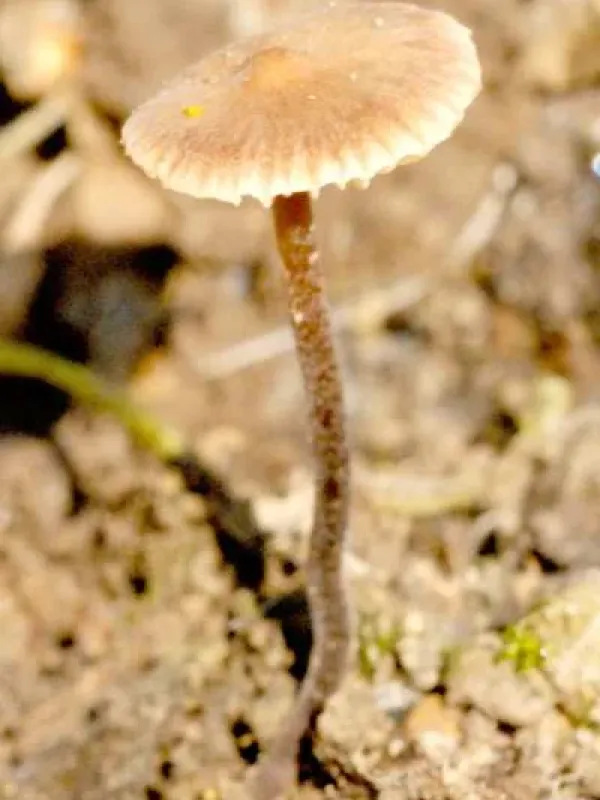
The most visible sign of Tephrocybe tylicolor is the emergence of its distinct small-capped mushrooms around the base of plants or on decaying debris.
Subterranean symptoms include the browning and decay of fine root hairs, which impairs the plant's ability to uptake water and essential minerals.
Plants affected by the presence of this fungus often show signs of general stunted growth, leaf chlorosis, and wilting during the peak of the growing season.
White, thread-like mycelial strands may be visible in the topsoil layer, especially after periods of high rainfall or in shaded parts of the field.
Consistent observations show that affected crops exhibit decreased vigor, making them appear prematurely aged compared to healthy sections of the field.
Pathogen
Tephrocybe tylicolor is a fungus within the Lyophyllaceae family that, in specific agricultural settings, acts as a soil-borne saprotroph capable of impacting plant health.
While primarily a decomposer, its presence in large quantities within the rhizosphere can interfere with the development of crop root systems.
The fungus is characterized by the production of small greyish-brown fruiting bodies that emerge from the soil surface, particularly in damp and nutrient-rich areas.
Unlike obligate plant parasites, it possesses a broad range of enzymes that allow it to break down organic matter, which can alter the chemical composition of the immediate soil environment.
Its biological cycle is highly dependent on humidity, with mycelium persisting in the soil and spreading through spore dispersal during favorable weather conditions.
Conditions for development
Optimal conditions for Tephrocybe tylicolor involve high humidity and temperatures ranging from 15°C to 22°C.
The fungus thrives in soils with an excess of nitrogen and poorly decomposed organic matter, which serve as its primary energy sources.
Compacted, waterlogged soils with low oxygen levels significantly increase the risk of infestation, as these environments limit the competitiveness of beneficial soil microbes.
Prolonged rain showers and poor field drainage act as catalysts for the rapid colonization of the substrate and the subsequent formation of fruiting bodies.
Intensive farming practices that leave high amounts of surface crop residue can also promote the buildup of fungal biomass over successive seasons.
Why it matters
The primary harm caused by Tephrocybe tylicolor is nutrient competition, where the fungus depletes resources that would otherwise be available to the crop.
Metabolic byproducts released by the fungus during its growth can have a phytotoxic effect on young seedlings, inhibiting root elongation and early establishment.
By disrupting the natural soil microflora, the fungus creates a vulnerability that exposes crop roots to secondary infections by more aggressive pathogens.
Yield loss occurs due to uneven crop stands and the overall physiological stress placed on the plants, which reduces the final quality of the harvest.
Continuous presence in the field can lead to long-term soil degradation if not managed with appropriate agricultural interventions.
Protection
Effective management begins with strict crop rotation practices to break the fungal life cycle and reduce its presence in the soil.
Deep plowing or mechanical soil turning is recommended to aerate the soil and bury fungal-infested surface materials, hindering fruit body formation.
Only fully matured, well-composted organic matter should be applied to fields, as raw manure promotes the rapid growth of this fungal species.
Improving field drainage is a critical step to prevent the waterlogged conditions that favor fungal colonization.
Fungicidal treatments should only be considered as a last resort and must be integrated with soil-improving agronomic practices to be truly effective.
Discussion
No discussions yet — be the first.