
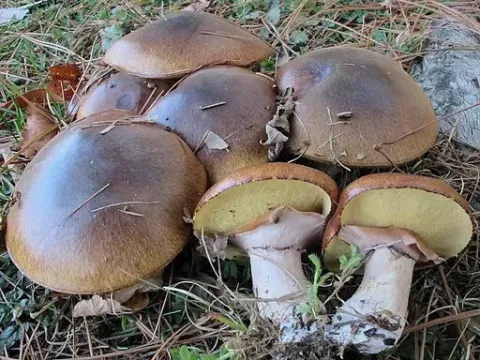
Suillus
Suillus
The genus Suillus is not a plant pathogen; it is a group of symbiotic fungi that play a crucial role in forest health.
What the section contains
Suillus
These fungi form ectomycorrhizae with the roots of conifers, primarily pines and larches, creating a mutually beneficial ecological partnership.
The mycelium of Suillus extends the root system's surface area, significantly improving the plant's uptake of water, minerals, and phosphorus.
There is no scientific basis for classifying Suillus as a cause of plant disease, as they do not invade or destroy plant tissue.
The presence of these fungi indicates a healthy and functional forest soil ecosystem rather than the presence of an infectious plant disease.
Suillus fungi thrive under conditions where their host trees are present, specifically in soils with a balanced moisture regime.
They prefer acidic to slightly acidic soil environments, which are typical for coniferous habitats and well-drained forest soils.
The development of the fungal network is highly dependent on the host tree's photosynthetic activity, which supplies the fungus with necessary carbohydrates.
Optimal environmental temperatures for the formation of fruiting bodies and mycelial activity range from 15 to 22 degrees Celsius.
A thick layer of organic matter, such as pine needles or forest litter, provides the necessary substrate for maintaining a stable mycorrhizal network.
The harm caused by Suillus to plant cultures is non-existent, as the relationship is strictly mutualistic.
Any perceived negative impact on seedlings in nursery environments is typically due to water management issues, not the fungus itself.
Excessive soil saturation leads to oxygen depletion, which kills roots, regardless of whether mycorrhizal fungi are present or absent.
Removing these fungi from the soil is counter-productive, as it often leads to nutrient deficiencies and stunted growth in nursery saplings.
Therefore, Suillus should be considered a beneficial component of the plant's rhizosphere rather than a threat to agricultural productivity.
No control measures are required for Suillus, as they are not pathogens and do not cause plant diseases.
The application of fungicides in areas where Suillus is established can destroy the beneficial mycorrhizae, hindering the growth of conifers.
Management strategies should focus on ensuring proper soil aeration and drainage to promote root health and symbiotic fungal activity.
If conifer seedlings show symptoms of disease, it is essential to investigate common pathogens like root rots rather than targeting beneficial fungi.
- Maintaining proper soil moisture and oxygenation levels.
- Avoiding unnecessary use of fungicides in seedling beds.
- Promoting a natural soil structure to support mycorrhizal health.