
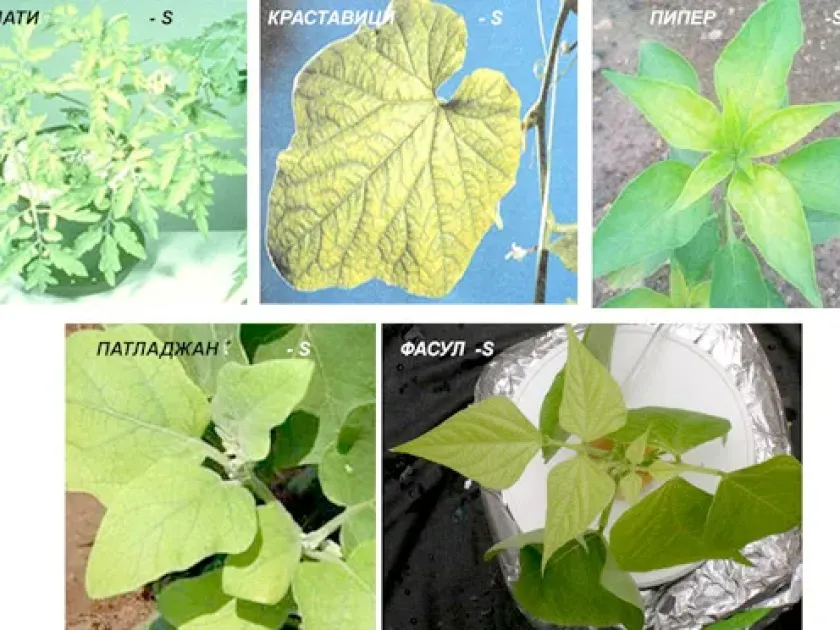
Description
Symptoms
The hallmark symptom of sulfur deficiency is a uniform chlorosis (yellowing) that typically appears first on young, upper leaves.
Unlike nitrogen deficiency, which starts on older leaves, sulfur symptoms manifest on the newest growth because sulfur is relatively immobile in the plant.
In corn, affected plants appear pale, with stunted growth and leaves that may become thin and narrow as the deficiency progresses.
In severe cases, leaf tips may exhibit necrosis or curling, and the entire plant may show a significantly reduced growth rate.
The stalks often remain thin and spindly, and maturity can be delayed compared to healthy, well-nourished crop stands.
Pathogen
Sulfur deficiency is classified as a physiological disorder rather than an infectious disease caused by pathogens or microbes.
In agronomic terms, this is a nutrient imbalance occurring when sulfate ions are unavailable in the soil solution to meet plant metabolic demands.
Sulfur is an essential element for protein synthesis, acting as a critical component of amino acids like methionine and cysteine.
Without sufficient sulfur, plants cannot effectively process nitrogen, leading to stunted growth and reduced metabolic efficiency.
As a non-pathogenic condition, it is managed by adjusting soil chemistry and nutrient application rather than using fungicides or antibiotics.
Conditions for development
Sulfur deficiency is most common in soils with low organic matter content, as most plant-available sulfur is derived from humus mineralization.
Sandy or coarse-textured soils are highly prone to sulfate leaching, which removes the nutrient from the root zone during heavy rain events.
Cool, wet spring conditions often slow down the microbial activity required to release sulfur from organic compounds in the soil.
High-yield crop demands can deplete soil sulfur reserves if they are not replenished through regular fertilization programs.
Excessive use of non-sulfur-containing nitrogen fertilizers can create a relative sulfur imbalance, hindering overall nutrient uptake.
Why it matters
The primary economic harm is a significant reduction in overall yield due to inhibited vegetative and reproductive development.
Quality parameters, such as protein content and enzyme activity in grains like corn, are negatively impacted, reducing marketability.
Stunted plants are less competitive and have a decreased ability to recover from environmental stresses like drought or heat.
Plants suffering from sulfur deficiency become more susceptible to pest infestations and opportunistic secondary infections.
Failure to address the deficiency leads to reduced biomass and impaired seed formation, resulting in suboptimal harvest results.
Protection
The most effective strategy involves soil testing to determine current sulfate levels and applying appropriate sulfur-containing fertilizers.
Sources like ammonium sulfate, potassium sulfate, or gypsum are excellent for correcting deficiencies in the root zone.
Foliar applications of sulfur provide a quick, immediate remedy if the deficiency is detected during the active vegetative growth phase.
Long-term soil health management, including the use of manure and cover crops, improves organic sulfur reserves for sustainable farming.
- Routine soil and tissue analysis.
- Balanced N-S fertilization programs.
- Use of sulfur-enriched mineral fertilizers.
Pathogens and affected parts
Affects crops · 1
Discussion
No discussions yet — be the first.