
Rose streak
Rose streak
The hallmark symptom of Rose streak is the appearance of distinct streaks, rings, or line patterns on the canes and stems of the rose plant. These patterns often display brown, reddish, or purple discoloration.
What the section contains
Rose streak
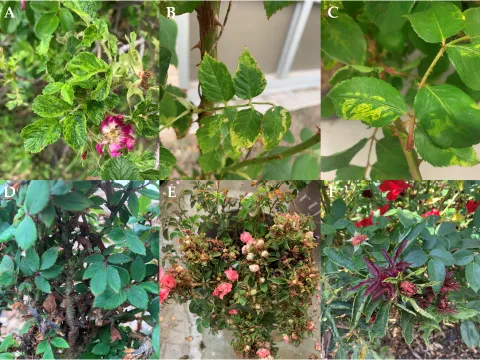
Leaves may exhibit chlorotic spots, mosaic-like patterns, or necrotic lines. In some cases, the leaves show signs of curling, distortion, or reduced leaf size as the viral infection disrupts normal development.
As the disease progresses, necrotic lesions appear on the stems, which can lead to bark cracking and the eventual dieback of entire canes or sections of the bush, significantly weakening the plant.
Flowers on infected bushes may be malformed or exhibit off-type color patterns. However, flower symptoms are less consistent, making the identification of stem streaks the primary diagnostic marker.
Symptom expression can vary greatly depending on the rose cultivar and environmental stressors, often leading to confusion with other physiological disorders or fungal infections.
Rose streak is caused by a systemic virus that inhabits the plant's vascular system. The virus interferes with the host's metabolism, moving throughout the plant and establishing a chronic infection.
The primary mode of transmission is through infected propagation material, including buds, scions, and rootstocks. Using contaminated plant parts in grafting is the most common way to spread the virus.
Mechanical transmission is a critical factor; the virus is easily spread by contaminated pruning shears, knives, and other tools that have not been sterilized between plants during routine maintenance.
The virus does not persist in the soil. Its survival is dependent on the host plant, meaning that any infected rose bush acts as a reservoir of inoculum for neighboring plants in the garden.
Diagnosis typically requires molecular techniques, as the virus can exist in a latent state where the plant appears healthy but serves as a carrier for the pathogen.
Plant stress serves as a major driver for symptom expression. Roses suffering from nutrient deficiencies, improper irrigation, or poor environmental conditions are significantly more susceptible to the impact of the virus.
Active growing seasons, particularly during the development of new flushes, often bring the symptoms to the surface. Plants may remain symptomless for long periods before showing signs of infection.
Wounding of the plant during pruning or grafting is a high-risk event. If the tools used are contaminated, the virus is introduced directly into the vascular tissue of the rose, facilitating systemic infection.
The lack of rigorous quarantine or health checks when introducing new roses into a nursery or garden is a common reason for the establishment of the disease in a new area.
While environmental factors like humidity are not the cause, they contribute to the overall weakened state of the plant, potentially allowing secondary pathogens to exacerbate the damage.
Rose streak drastically reduces the ornamental value of roses, rendering them unsuitable for public landscapes, exhibitions, or commercial flower production due to the unsightly streaks on the stems.
The systemic nature of the infection drains the plant of resources, leading to reduced vigor, smaller blooms, and decreased overall flower production compared to healthy, uninfected plants.
Infected roses show reduced hardiness, making them more vulnerable to frost damage and other environmental stressors, which often leads to the premature decline or death of the bush during winter.
For nurseries, this disease is a major economic threat. Detection of the virus in stock often leads to mass culling of plants to prevent the further spread of the infection through the trade network.
The cumulative stress caused by the virus eventually leads to the slow decline of the plant, as it cannot efficiently transport water and nutrients through its damaged vascular system.
There is no known cure for the viral infection; therefore, management focuses entirely on prevention and phytosanitary practices to halt the transmission of the pathogen within the planting.
The most important measure is the immediate removal and destruction of any infected rose bushes. They should be uprooted and burned to ensure they no longer serve as an inoculum source.
Strict tool sanitation is essential. All pruning and grafting tools must be disinfected after every single plant using alcohol or bleach solutions to prevent transferring the virus via sap.
Always source roses from certified nurseries that practice rigorous virus testing and maintain strict health standards for their mother blocks to ensure clean starting material.
- Removing and destroying infected plants.
- Sanitizing pruning tools regularly.
- Sourcing virus-indexed material.
- Regular inspection of the garden.