
Rosellinia mammiformis
Rosellinia mammiformis
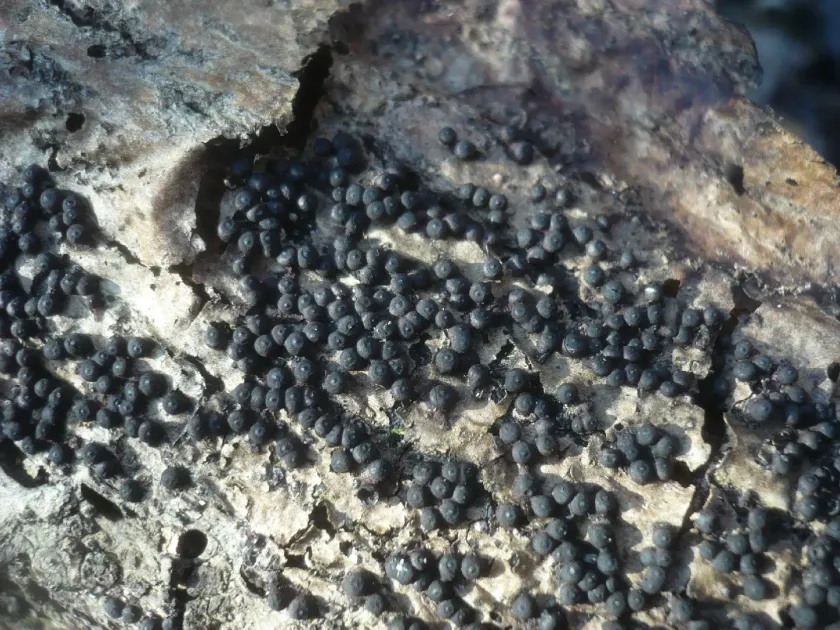
Description
Symptoms
The primary symptom of the fungal presence is the development of small, dense, black protrusions on the bark surface, resembling nipples. These structures, the perithecia, serve as a clear visual indicator of colonization.
Surrounding the infected areas, one often observes bark necrosis, discoloration to a darker hue, and gradual cracking. Beneath the bark, a white or creamy mycelial layer may be discovered, indicating active growth.
Gradually, the wood areas affected by the fungus become brittle. Without intervention, the colonization process extends deeper into the trunk or branch, impairing the transport of water and essential nutrients.
At initial stages, the infection may remain hidden, but a detailed examination of the trunk can reveal local bark thickening. Over time, in areas where fruiting bodies develop, the bark begins to flake off.
- Appearance of black nipple-shaped perithecia on the bark.
- Darkening and necrosis of bark sections.
- Presence of a mycelial mat under loose or peeling bark.
- Wood decay and brittleness in the affected areas.
Pathogen
The causal agent of the disease is the ascomycete fungus Rosellinia mammiformis, belonging to the family Xylariaceae. This fungus primarily acts as a saprotroph or a weak pathogen, colonizing weakened or dead wood of deciduous trees.
The fungus produces specific fruiting bodies known as perithecia, which exhibit a characteristic nipple-like shape, giving the species its scientific name. These structures develop in clusters on the surface of affected bark, often rupturing the plant epidermis.
The mycelium of the fungus spreads actively through the bark tissues, feeding on organic debris. While not always an aggressive primary parasite, its presence contributes significantly to the structural degradation of wood fibers.
The life cycle of the fungus involves the formation of ascospores, which are dispersed by wind or rain splashes onto susceptible host plants. Under conditions of high humidity, these spores germinate, establishing new infection sites.
The biology of Rosellinia mammiformis is closely linked to the presence of dead organic matter. In garden environments, the fungus is frequently found on old branches, stumps, and uncleaned plant debris, which serve as reservoirs for the infection.
Conditions for development
The development of Rosellinia mammiformis is favored by conditions of high humidity and poor air circulation within the tree canopy. The fungus prefers shaded areas where moisture on the bark evaporates slowly.
High relative humidity and soil moisture levels are critical factors for spore germination. Prolonged rainfall and fog during spring and autumn significantly increase the risk of rapid pathogen reproduction.
Mechanical injuries to the bark, frost cracks, or sunscald create entry points for fungal spores. Weakened trees that do not receive proper maintenance are the most susceptible to colonization.
Temperature ranges between 18 and 25 degrees Celsius are considered optimal for rapid mycelial growth. In these conditions, the fungus can occupy large areas of bark within a relatively short period.
Overcrowded plantings that hinder ventilation create an ideal microclimate for fungal spore reproduction, contributing to the epidemic spread of the disease within the garden.
Why it matters
The primary harm is the destruction of the tree's protective layers—the bark. This damage provides a pathway for secondary infections, which may be more aggressive and detrimental to the plant's overall health.
Compromising the bark's integrity leads to a decline in the tree's immune system and general vitality. The plant becomes less resilient to adverse environmental stressors, including winter frost.
In cases of severe infection of main branches or the trunk, premature dieback can occur. The tree begins to experience a deficiency in nutrients, which negatively impacts fruit yield and quality.
The presence of this fungus on the trunk is often a sign of general tree decline. If left unmanaged, the fungal colony may expand, consuming increasingly larger areas of healthy wood.
The economic risk lies in the gradual loss of orchard productivity. While timely detection allows for the containment of the focus, ignoring the problem often necessitates the removal of entire trees.
Protection
The main control method is timely sanitary pruning and the removal of affected branches. It is essential to prune back to healthy tissue, ensuring that a small margin of live wood is removed alongside the infected part.
All cuts and wounds on the tree should be disinfected with specialized antiseptic solutions or horticultural wound sealant. This prevents the entry of new spore populations into the tree tissues.
Strict adherence to cultural practices is necessary: remove stumps, fallen branches, and plant debris from the garden, as these serve as infection sources. The orchard must be kept clean.
Thinning the canopy improves air circulation and reduces humidity around the trunk and main branches. This makes the environment less conducive to the development of fungal fruiting bodies.
The application of copper-based fungicides or other contact protectants during preventive cycles helps lower the infectious background in the garden. Regular limewashing of trunks also serves as a barrier against fungal spore colonization.
Discussion
No discussions yet — be the first.