
Rosellinia aquila
Rosellinia aquila
Description
Symptoms
The primary symptom of infection is the presence of numerous small, black, wart-like fruiting bodies scattered across the surface of the bark on branches or trunks.
Affected bark may become necrotic, turning dry and brittle. In advanced stages, the bark often cracks and sloughs off, revealing the underlying woody tissue.
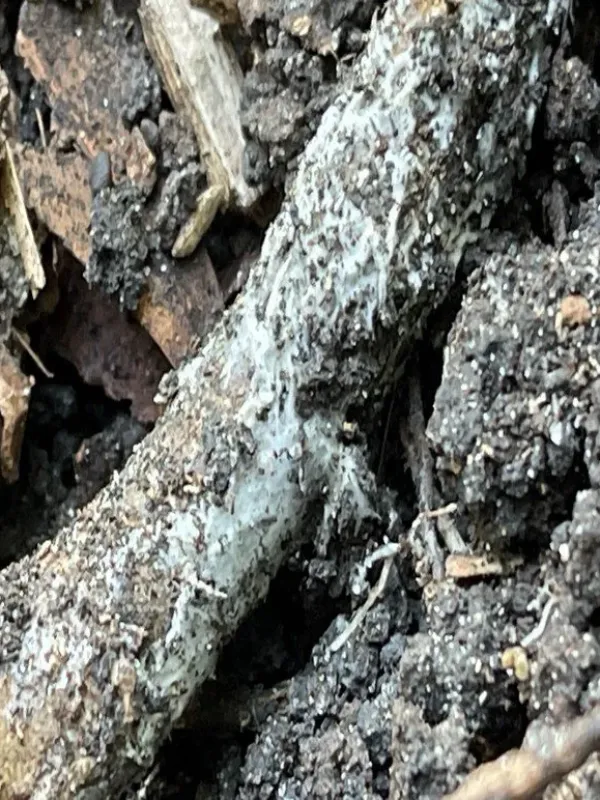
Beneath the bark, one might observe the presence of whitish or light-colored mycelial mats that penetrate the cambium, disrupting the tree's vital transport systems.
Symptoms in the canopy include premature yellowing of leaves, wilting of specific branches, and overall crown thinning as the tree's vascular system becomes impaired.
Wood tissue in infected areas often shows signs of decay, changing in color to a brownish or greyish hue as the structural components of the wood are degraded by fungal activity.
Pathogen
Rosellinia aquila is an ascomycete fungus belonging to the family Xylariaceae. It is primarily known as a saprotrophic organism that plays a significant role in the decomposition of dead woody material in forest environments.
The pathogen colonizes bark and wood surfaces, where its mycelium produces enzymes that break down cellulose and lignin, contributing to the biological recycling of organic matter.
Its reproductive structures, or perithecia, appear as small, spherical, dark-colored bodies grouped together on the surface of the bark, which are essential for identifying the fungus.
Spores are produced in these perithecia and are disseminated through the air, water splash, and contact with insects, allowing the fungus to spread to new substrates.
While often acting as a saprotroph, under conditions of plant stress or high moisture, Rosellinia aquila can adopt a parasitic lifestyle, invading weakened vascular tissues.
Conditions for development
High humidity and consistent moisture are the most critical environmental factors that promote the growth and proliferation of Rosellinia aquila.
Stagnant air in crowded, poorly pruned orchards or garden plots creates a microclimate that allows fungal spores to germinate and colonize bark surfaces efficiently.
Mechanical injuries, such as pruning wounds, frost cracks, or sunscald, serve as entry points for the fungus, making stressed trees significantly more susceptible to attack.
Moderate temperatures, typically ranging from 15°C to 22°C (59°F to 72°F), provide the optimal environment for the fungus to metabolize and produce spores.
The accumulation of woody debris and leaf litter under trees provides a persistent reservoir for the fungus, allowing it to survive and spread during favorable seasons.
Why it matters
The harm caused by this fungus involves the gradual weakening of the host tree, leading to branch dieback and reduced vigor over several growing seasons.
By disrupting the nutrient and water transport within the tree, the pathogen can significantly diminish the yield and quality of fruit production in agricultural settings.
Severe infestations can compromise the structural integrity of the main trunk or scaffold branches, increasing the risk of mechanical failure during storms or high winds.
The fungus acts as a contributing factor to tree decline, especially in trees already compromised by poor soil conditions, drought, or attacks by other pests.
Without proper management, the continued presence of the fungus in the landscape can lead to the loss of mature specimen trees and degraded aesthetic value of the site.
Protection
The most effective management strategy is regular sanitary pruning, where all dead, diseased, or heavily infected branches are removed and disposed of away from the site.
Maintaining proper tree health through balanced fertilization and irrigation helps the plant develop natural defenses against opportunistic fungal pathogens.
All pruning cuts and existing wounds should be treated with appropriate wound dressings or copper-based fungicides to prevent fungal spores from colonizing the exposed tissues.
- Ensure adequate spacing between trees to improve air circulation.
- Regularly clear the ground of dead wood, fallen leaves, and other organic debris.
- Monitor trees for early signs of infection, especially after periods of high rainfall.
For high-value trees, preventative spraying with copper-based products in early spring can help reduce the population of fungal spores on the bark surface.
Discussion
No discussions yet — be the first.