
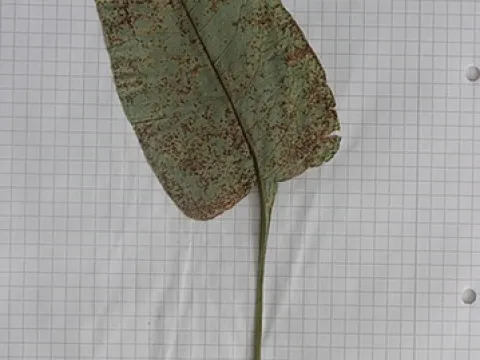
Polygonum rust
Puccinia bistortae
The causative agent of this disease is the highly specialized fungus Puccinia bistortae, which belongs to the class Basidiomycetes and the order Uredinales.
What the section contains
Polygonum rust
It is a heteroecious fungus, meaning it requires two different host species to complete its complex biological life cycle.
The primary host, where the aecial stage typically develops, is often bistort (Persicaria bistorta), which provides nutrients for the initial infection.
Intermediate hosts, which commonly include various grass species, serve as sites for the development of urediniospores and teliospores.
The mycelium of the pathogen colonizes the internal plant tissues, drawing energy directly from the host cells and leading to metabolic depletion of the plant.
The initial symptoms are characterized by the appearance of small yellowish or orange-colored spots on the underside of the leaves.
Over time, these spots develop into pustules, which represent dense clusters of fungal spores that rupture the plant epidermis to release the inoculum.
During the peak phase of the disease, the affected leaf surface becomes covered in a distinct rust-colored powder, consisting of numerous maturing spores.
Severe infestations lead to chlorosis, leaf curling, and premature tissue necrosis, which drastically reduces the plant's capacity for photosynthesis.
In the final stages of the cycle, dark or black telia appear, indicating that the fungus is transitioning into its dormant overwintering phase.
The development of Puccinia bistortae is heavily favored by moderate temperatures and high humidity, particularly following periods of rainfall.
The presence of free moisture (dew or rain) on the leaf surface is a critical requirement for spore germination and successful infection of host tissues.
High-density planting creates a stagnant microclimate that retains moisture and encourages the rapid spread of the fungus throughout the crop.
Warm and humid weather conditions during the spring and summer months accelerate the sporulation process, leading to potential epiphytotics.
Plants that are stressed due to nutrient deficiencies or environmental factors are significantly more susceptible to infection by this fungal pathogen.
The economic impact of rust disease is manifested in reduced yield and lower crop quality, primarily caused by the destruction of chlorophyll.
The disease disrupts water transport and photosynthetic activity, which triggers premature aging and senescence of vegetative plant parts.
In perennial species, infection reduces cold tolerance and vigor, negatively impacting the plant's ability to survive and thrive in subsequent seasons.
Significant biomass losses can occur, which is particularly detrimental when dealing with fodder crops or plants grown for botanical raw materials.
Managing rust often requires additional expenditures on chemical control measures and rigorous monitoring of the fields during sensitive growth stages.
The primary prevention strategy involves strict adherence to crop rotation practices and ensuring sufficient spatial separation from known disease reservoirs.
Sanitation practices, including the removal and deep incorporation of crop residues, are essential to minimize the fungal overwintering inoculum.
Optimizing plant nutrition with balanced potash and phosphate fertilizers enhances the natural resistance of the plants against fungal penetration.
In cases of heavy infestation, systemic fungicides should be applied early in the infection cycle to inhibit the growth of the fungal mycelium.
- Regular phytosanitary inspections of the fields during the growing season.
- Selection of resistant or less susceptible cultivars for planting.
- Management of planting density to ensure proper airflow and faster drying of foliage.